Tritoma
Fabricius, 1775
pleasing fungus beetles
Species Guides
10- Tritoma angulata(pleasing fungus beetle)
- Tritoma atriventris
- Tritoma biguttata(Two-spotted Pleasing Fungus Beetle)
- Tritoma erythrocephala(Red-headed Tritoma)
- Tritoma humeralis(pleasing fungus beetle)
- Tritoma mimetica(pleasing fungus beetle)
- Tritoma pulchra(handsome tritoma)
- Tritoma sanguinipennis(red-winged tritoma)
- Tritoma tenebrosa(darkling tritoma)
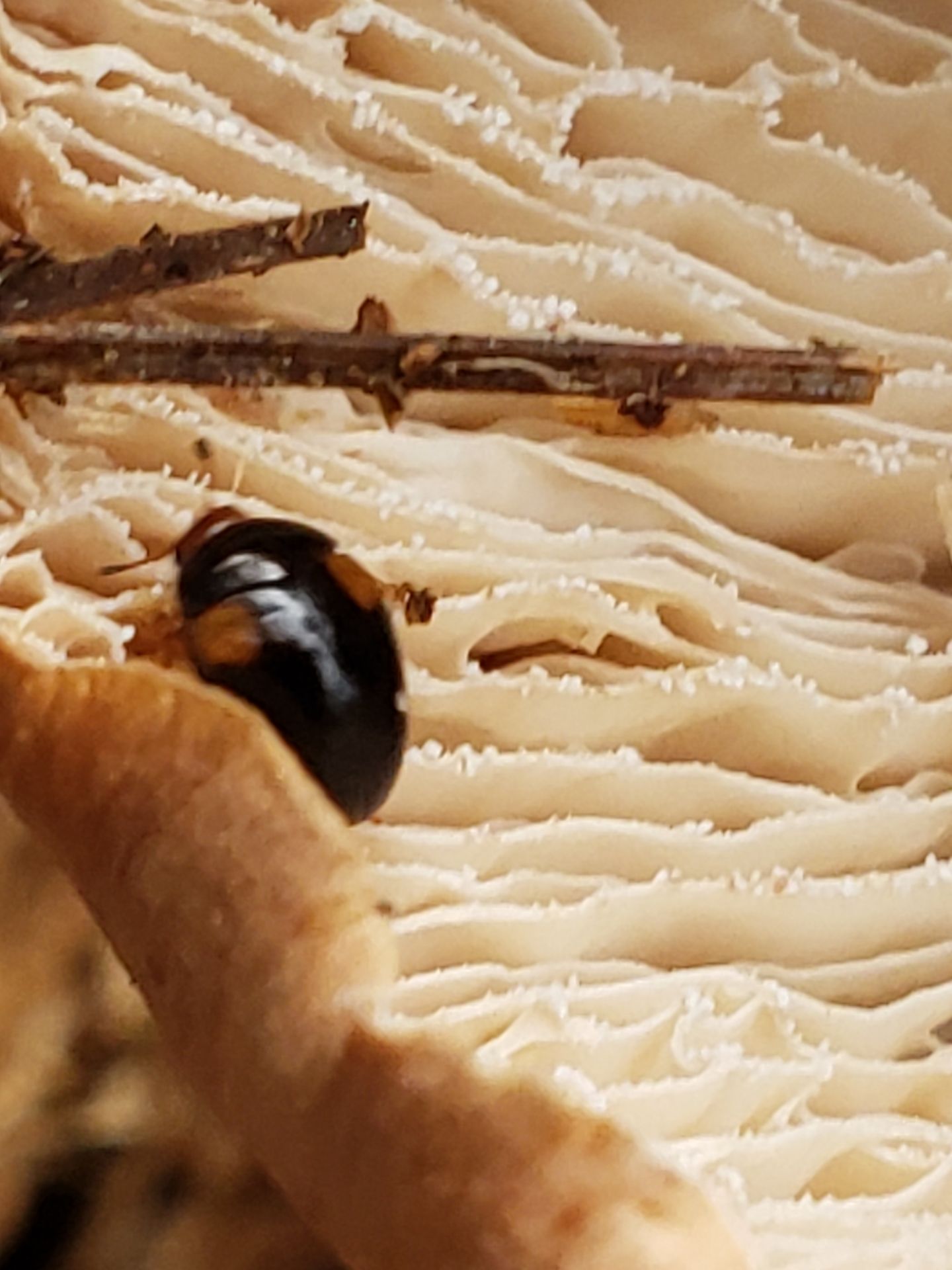
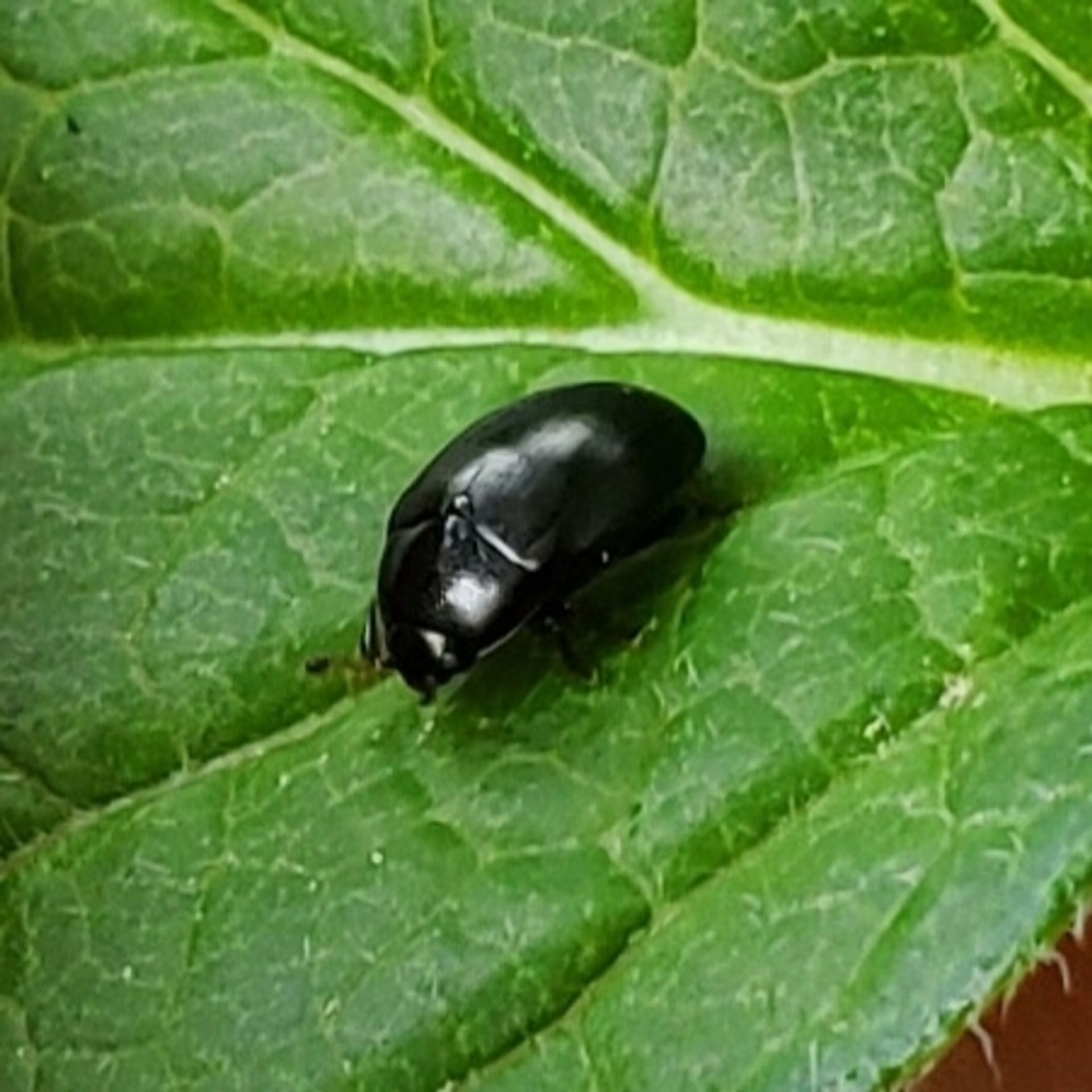
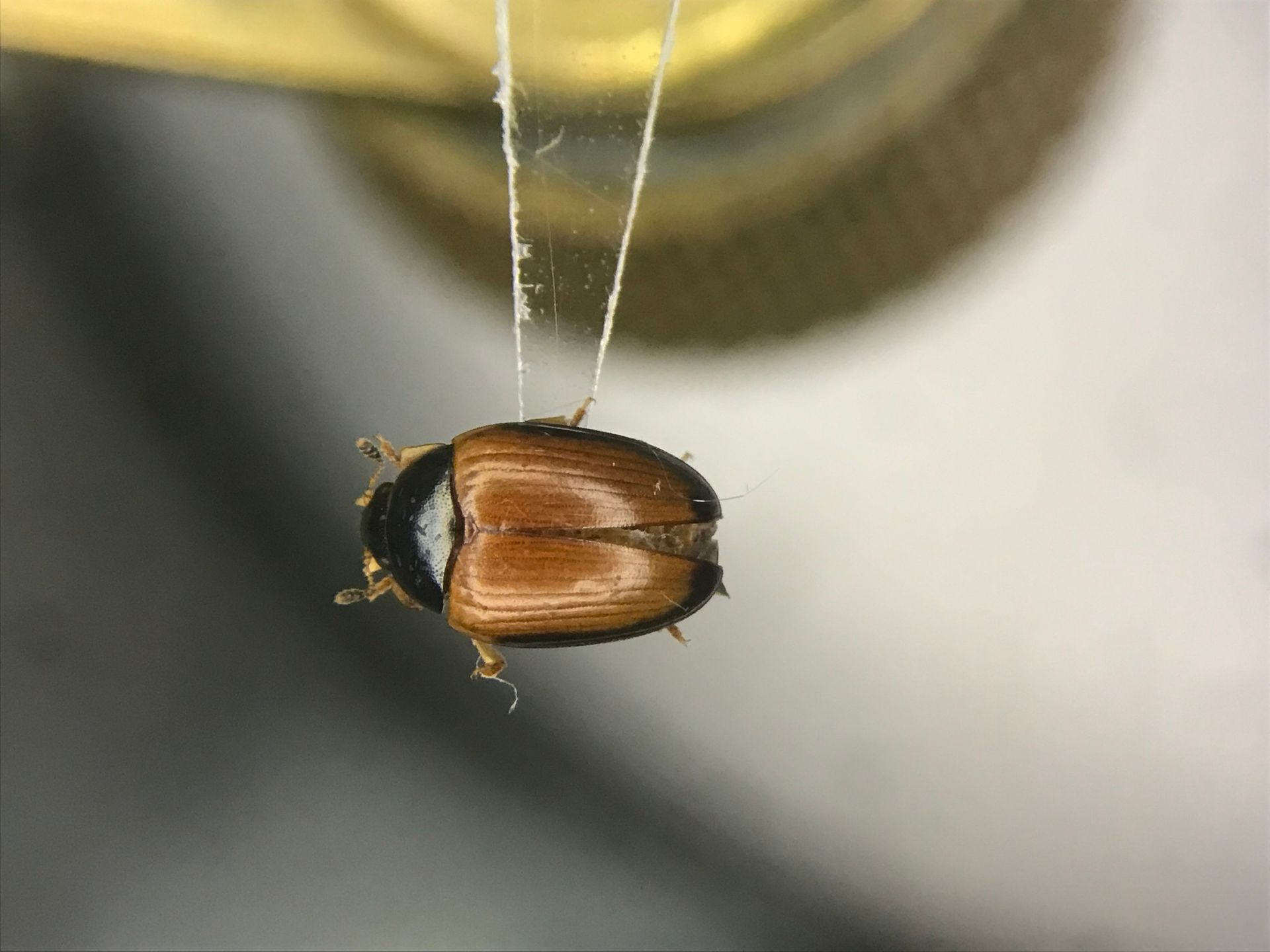
Tritoma is a of pleasing fungus beetles ( Erotylidae) comprising over 100 distributed worldwide, with greatest diversity in the Old World. Members are associated with fungi, with some species feeding on euagaric mushrooms and mycorrhizae. The genus is currently considered based on molecular evidence and may require taxonomic revision into two separate genera. Tritoma bipustulata, a common European species with distinctive black-and-red spotted coloration, has been studied for its chemical defensive system.
Pronunciation
How to pronounce Tritoma: /traɪˈtoʊmə/
These audio files are automatically generated. While they are not always 100% accurate, they are a good starting point.
Identification
Tritoma can be recognized by their association with fungi and typically compact body form characteristic of Erotylidae. Tritoma bipustulata specifically is identified by its black with red spots. The may be confused with other pleasing fungus beetle genera such as Gibbifer and Erotylus, which share similar and aposematic coloration patterns; however, definitive identification to species level often requires examination of morphological details not specified in general sources.
Images
Habitat
occur in supporting fungal growth, including forests with decaying wood and living vegetation. Some species have been observed on mushrooms growing from dead trees and on mycorrhizae associated with living roots. The type of habitat varies by species, with European occurring in temperate woodland settings.
Distribution
Worldwide distribution, concentrated in the Old World. Tritoma bipustulata occurs in Europe. The as currently defined is distributed across multiple continents, though specific ranges for most are not well documented in available sources.
Diet
Fungivorous. Some consume euagaric mushrooms, feeding while concealed within the gill structures. Others feed on mushrooms growing from dead trees and on mycorrhizae on living roots. Both larvae and are consumers of fungi.
Host Associations
- euagaric mushrooms - food sourcesome feed concealed within gills
- mycorrhizae - food sourceon living roots
- dead wood fungi - food sourcemushrooms growing from dead trees
Behavior
Tritoma bipustulata engages in autohaemorrhaging () as a defensive , releasing blood from joints and body apertures. This has been observed its body. Chemical defenses include secretions containing alkenes, ketones, and acids that are repellent to ants and possess antimicrobial activity.
Ecological Role
Fungivores that participate in nutrient cycling by consuming fungi involved in decomposition of plant material. Their feeding on mycorrhizae and wood-decay fungi places them within the in forest .
Similar Taxa
- GibbiferAnother of pleasing fungus beetles (Erotylidae) with spectacular coloration; both genera are fungivorous and occur in similar , though Gibbifer is particularly associated with Amazonian rainforests
- ErotylusShares Erotylidae and similar aposematic coloration; known as the 'zig-zag ' with black, yellow, and red patterning, and like Tritoma possesses chemical defenses against
- CalochroaUnrelated tiger () containing a historically confused under the name 'tritoma'; this represents a homonym issue rather than biological similarity, as Calochroa tritoma is a completely different beetle
Misconceptions
The name 'Tritoma' has been applied to unrelated organisms. Calochroa tritoma is a tiger (), not a pleasing fungus beetle, and its name has caused taxonomic confusion requiring recent revision. Additionally, names such as 'ladybeetle' for certain Erotylidae do not indicate relationship to Coccinellidae (true lady beetles).
More Details
Taxonomic Status
Molecular analysis indicates Tritoma is and may be best treated as two separate , though this revision has not yet been formally implemented.
Chemical Defenses
A study of Tritoma bipustulata in Germany identified alkenes, ketones, acids, and unknown compounds in glandular secretions and blood, with demonstrated repellency to ants and antimicrobial properties.
Sources and further reading
- BugGuide
- Wikipedia
- iNaturalist taxon
- NCBI Taxonomy
- Catalogue of Life
- Destination Reserva Nacional Tambopata, Peru: How pleasing are rainforest fungus beetles, Erotylidae? — Bug of the Week
- Bug of the Week
- Calochroa miroklichai sp. nov., a new species from Thailand with rectification of different concepts of Calochroa tritoma (Schmidt-Goebel) and comparisons to similar species. (Coleoptera: Cicindelidae)