
Dacnini
Gistel, 1848
Genus Guides
2- Dacne(pleasing fungus beetles)
- Microsternus(pleasing fungus beetles)
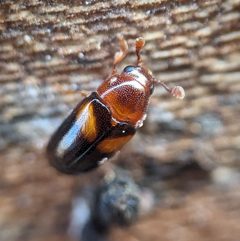
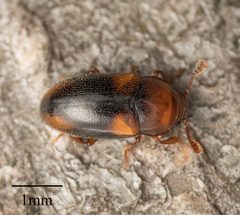
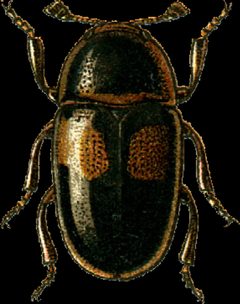
Dacnini is a tribe of pleasing fungus beetles ( Erotylidae) established by Gistel in 1848. Members of this tribe are characterized by their association with fungal substrates and exhibit morphological adaptations for this . The tribe is part of the Erotylinae and represents a distinct lineage within the diverse Erotylidae family. Dacnini are primarily found in forested where fungal resources are abundant.
Pronunciation
How to pronounce Dacnini: //dakˈniːni//
These audio files are automatically generated. While they are not always 100% accurate, they are a good starting point.
Identification
Dacnini can be distinguished from other Erotylidae tribes by a combination of characters including the structure of the and . Members typically exhibit the compact, somewhat flattened body form common to Erotylinae, with specific tribal-level differences in the degree of pronotal constriction and elytral surface sculpturing. Accurate identification to tribe level requires examination of mouthpart structure and the precise arrangement of antennomeres.
Images
Habitat
Forest , particularly those with substantial fungal including decaying wood, bracket fungi, and other basidiomycete fruiting bodies. Moist woodland environments with accumulated dead organic matter provide optimal conditions.
Distribution
Widespread across forested regions of the Northern Hemisphere, with documented occurrences in North America, Europe, and Asia. Distribution patterns correlate with temperate and forest zones where appropriate fungal are present.
Seasonality
activity peaks during periods of fungal fruiting, generally late summer through autumn in temperate regions. Some may show spring patterns associated with early fungal growth.
Diet
Mycophagous; larvae and feed on fungal tissues, particularly basidiomycete fruiting bodies.
Host Associations
- Basidiomycota - food sourceprimary nutritional resource for both larvae and
- Polyporaceae - food sourcebracket fungi commonly utilized
Life Cycle
Complete with , larva, pupa, and stages. Larval development occurs within or upon fungal substrates, with duration dependent on fungal resource availability and environmental conditions. typically occurs in protected locations within the fungal fruiting body or surrounding substrate.
Behavior
are often observed on exposed fungal surfaces, particularly during periods of spore release. Both larvae and adults remain closely associated with fungal substrates throughout their active life stages. Limited capacity results in localized structure tied to fungal patch distribution.
Ecological Role
Contributes to nutrient cycling in forest through consumption and processing of fungal . Serves as prey for various within the detrital .
Human Relevance
No direct economic significance; occasionally encountered by mushroom collectors and forest researchers. Presence indicates healthy fungal structure in forest .
Similar Taxa
- TritominiAlso within Erotylinae; differs in antennal club structure and tarsal formula
- ErotyliniShares Erotylinae; distinguished by pronotal shape and elytral epipleural structure
More Details
Taxonomic History
The tribal concept has undergone refinement since Gistel's original establishment, with modern circumscription based on phylogenetic analysis of morphological characters.