
Scaphinotus angulatus
(Harris, 1839)
Angular Snail-eating Beetle, Angulate Snail-eating Beetle
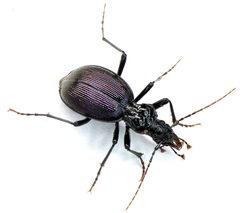
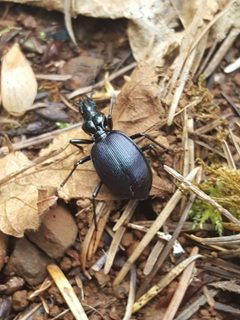
Scaphinotus angulatus is a large ground beetle in the Carabinae, commonly known as the angular snail-eating . It is a of snails, possessing elongated adapted for extracting prey from shells. are brachypterous (short-winged) and . The is restricted to temperate coniferous rainforests of the Pacific Northwest.
Pronunciation
How to pronounce Scaphinotus angulatus: /skæˈfɪnoʊtəs æŋˈɡjuːlətəs/
These audio files are automatically generated. While they are not always 100% accurate, they are a good starting point.
Identification
Distinguished from other Scaphinotus by its angular body profile and geographic restriction to Pacific Northwest rainforests. The combination of large size (typical for Carabinae), flightless condition, and elongated separates it from most sympatric ground beetles. The Carabinae includes other large predatory beetles such as Calosoma and Cychrus, but Scaphinotus species are specialized snail with correspondingly modified mouthparts.
Images
Habitat
Temperate coniferous rainforests, specifically the moist forest floor environment of these .
Distribution
North America: restricted to coastal Pacific Northwest, specifically British Columbia, Oregon, and Washington.
Seasonality
are ; specific seasonal activity patterns not documented in available sources.
Diet
Specialized of snails. The elongated are adapted for extracting snail bodies from shells.
Life Cycle
Complete (, larva, pupa, ) typical of Coleoptera, but specific developmental details unreported.
Behavior
activity pattern. are flightless due to brachypterous condition, restricting to . Prey capture involves using elongated to extract snails from their shells.
Ecological Role
in forest floor , specializing in gastropod control. Its flightless condition suggests limited capability and potential sensitivity to fragmentation.
Human Relevance
No documented economic or medical significance. Of interest to entomologists as a representative of specialized carabid .
Similar Taxa
- Other Scaphinotus speciesShare -level traits of snail-specialized and large size, but differ in body shape and geographic distribution.
- Cychrus speciesAlso in tribe Cychrini with elongated for snail , but Cychrus have more cylindrical body form and different geographic ranges.
- Calosoma speciesShare Carabinae and large size with prominent , but are caterpillar with different mandible structure and activity.
More Details
Taxonomic Note
Originally described as Cychrus angulatus by Harris in 1839, later transferred to Scaphinotus. The Scaphinotus is part of the tribe Cychrini within Carabinae.
Conservation Implications
The brachypterous condition and specific association with temperate coniferous rainforest may render this vulnerable to habitat loss and fragmentation, though formal conservation status has not been assessed.