
Hylogomphus
Needham, Westfall & May, 2000
clubtails
Species Guides
6- Hylogomphus abbreviatus(Spine-crowned Clubtail)
- Hylogomphus adelphus(Mustached Clubtail)
- Hylogomphus apomyius(Banner Clubtail)
- Hylogomphus geminatus(Twin-striped Clubtail)
- Hylogomphus parvidens(Piedmont Clubtail)
- Hylogomphus viridifrons(Green-faced Clubtail)
Hylogomphus is a of clubtail ( Gomphidae) comprising six described native to eastern North America. The genus was elevated from subgenus status within Gomphus in 2000, reflecting distinct morphological and phylogenetic characteristics. Species within this genus are associated with lotic freshwater and exhibit conservative body plans typical of gomphid dragonflies.
Pronunciation
How to pronounce Hylogomphus: /haɪloʊˈɡɒmfəs/
These audio files are automatically generated. While they are not always 100% accurate, they are a good starting point.
Identification
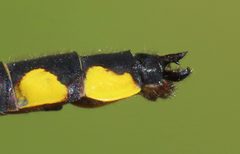
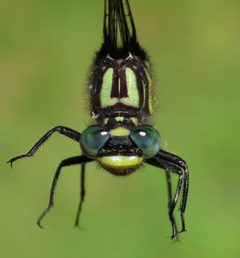
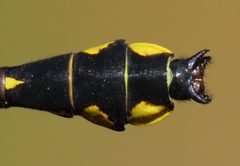
Hylogomphus are distinguished from the broader former Gomphus by specific morphological traits that warranted their elevation to genus rank, though detailed diagnostic characters require examination of genital structures and wing venation. Species-level identification relies on subtle differences in abdominal patterning, facial coloration, and club .
Images
Habitat
Small to medium-sized lotic freshwater including streams and rivers with sandy or rocky substrates; associated with watershed- environments where larval development occurs in flowing water.
Distribution
Eastern United States, with records from Vermont southward through the Appalachian and Gulf Coastal regions; distributions vary, with some such as H. geminatus centered on the Apalachicola River drainage spanning Alabama, Florida, Georgia, and Mississippi.
Life Cycle
Semivoltine development pattern with variable nymphal duration depending on environmental conditions including temperature, water persistence, and food availability; nymphal stage ranges from weeks to multiple years. do not continue growth after .
Behavior
typically remain near water sources from which they emerged; when captured and placed on perches, individuals may sit motionless with wings spread.
Ecological Role
Bioindicator sensitive to anthropogenic land-cover change; ecomorphological variation in body size has been documented in response to watershed-level environmental conditions, with smaller body size associated with increased urban and agricultural land cover.
Similar Taxa
- GomphusFormerly included Hylogomphus as a subgenus; now separated at rank based on morphological and phylogenetic distinctions
- PhanogomphusElevated to rank in the same taxonomic revision as Hylogomphus; shares similar ecological preferences and historical taxonomic treatment
- StenogomphurusSimilarly promoted from subgenus to status within Gomphidae in 2000
- GomphurusAnother derived from the former broad concept of Gomphus, separated in the same systematic revision
Sources and further reading
- BugGuide
- Wikipedia
- GBIF taxonomy match
- iNaturalist taxon
- Catalogue of Life
- Watershed-Mediated Ecomorphological Variation: A Case Study with the Twin-Striped Clubtail Dragonfly (Hylogomphus geminatus)
- Watershed-Mediated Ecomorphological Variation: A Case Study with the Twin-Striped Clubtail Dragonfly (Hylogomphus geminatus)