
Gomphurus
Needham, 1901
clubtails
Species Guides
13- Gomphurus crassus(Handsome Clubtail)
- Gomphurus dilatatus(Blackwater Clubtail)
- Gomphurus externus(Plains Clubtail)
- Gomphurus fraternus(Midland Clubtail)
- Gomphurus gonzalezi(Tamaulipan Clubtail)
- Gomphurus hybridus(Cocoa Clubtail)
- Gomphurus lineatifrons(Splendid Clubtail)
- Gomphurus lynnae(Columbia Clubtail)
- Gomphurus modestus(Gulf Coast Clubtail)
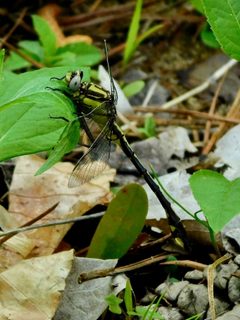
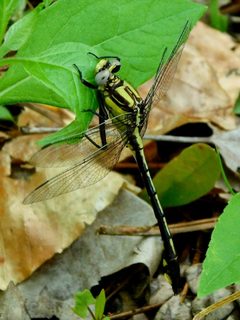
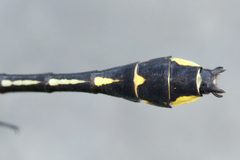
Gomphurus is a of dragonflies in the Gomphidae, commonly known as clubtails. The genus was elevated from subgenus rank within Gomphus in recent taxonomic revisions, reflecting distinct morphological and genetic characteristics. It contains approximately 13 described , primarily distributed in North America. Species within this genus are associated with lotic freshwater and exhibit restricted geographic ranges.
Pronunciation
How to pronounce Gomphurus: //ˈɡɒm.fjʊˌrʊs//
These audio files are automatically generated. While they are not always 100% accurate, they are a good starting point.
Identification
Gomphurus can be distinguished from the related Gomphus and other gomphid genera by combinations of morphological characters that supported its elevation to genus rank, though specific diagnostic features for the genus as a whole are not detailed in available sources. The genus is part of a recent taxonomic split that also elevated Phanogomphus, Stenogomphurus, and Hylogomphus from subgenera of Gomphus.
Images
Habitat
in this are associated with freshwater lotic environments, specifically streams and rivers. Available documentation for G. ozarkensis indicates occupancy of watershed systems in mountainous and plateau regions, including the Ouachita Mountains, Ozark Plateau, and Osage/Flint hills.
Distribution
North America. Documented occurrences include the central United States (southeastern Kansas, eastern Oklahoma, western and northern Arkansas, southern Missouri) and Vermont. Individual exhibit restricted ranges; G. ozarkensis is to a four-state area with three distinct subpopulations.
Life Cycle
As with other Anisoptera, development includes , nymph (naiad), and stages. Nymphs are aquatic and inhabit freshwater systems. Specific parameters for Gomphurus are not documented in available sources.
Human Relevance
G. ozarkensis has been classified as a of conservation concern due to its small geographic range. The contributes to biodiversity assessments and regional conservation planning in North American freshwater systems.
Similar Taxa
- GomphusGomphurus was formerly treated as a subgenus of Gomphus; the two share general clubtail but are now separated based on distinct character combinations.
- PhanogomphusElevated to rank in the same taxonomic revision as Gomphurus; both were formerly subgenera of Gomphus.
- StenogomphurusElevated to rank in the same taxonomic revision as Gomphurus; both were formerly subgenera of Gomphus.
- HylogomphusElevated to rank in the same taxonomic revision as Gomphurus; both were formerly subgenera of Gomphus.
More Details
Taxonomic History
Gomphurus was established by Needham in 1901, subsequently treated as a subgenus of Gomphus, and recently reinstated to full rank based on phylogenetic and morphological evidence. This revision also elevated Phanogomphus, Stenogomphurus, and Hylogomphus.