
Stenogomphurus
Carle, 1986
Species Guides
2- Stenogomphurus consanguis(Cherokee Clubtail)
- Stenogomphurus rogersi(Sable Clubtail)
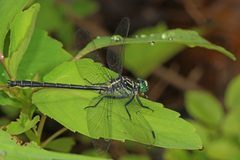
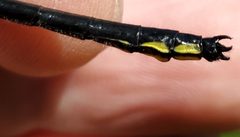
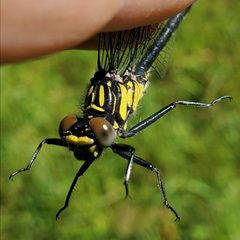
Stenogomphurus is a of clubtail ( Gomphidae) established by Carle in 1986. The genus was recently elevated from subgeneric status within Gomphus and now comprises two recognized , both restricted to North America. Members are commonly known as clubtails due to the expanded, club-like tip of the male .
Pronunciation
How to pronounce Stenogomphurus: //ˌstɛnoʊˈɡɒmfərəs//
These audio files are automatically generated. While they are not always 100% accurate, they are a good starting point.
Identification
Separation from related (Phanogomphus, Gomphurus, Hylogomphus) requires examination of male terminal appendages and genitalia; these genera were all recently split from the broadly defined Gomphus based on molecular and morphological data. The two within Stenogomphurus—S. consanguis and S. rogersi—differ in coloration and abdominal patterning, with S. rogersi (sable clubtail) generally darker and S. consanguis (Cherokee clubtail) showing more contrasting pale markings.
Images
Distribution
Eastern North America; S. consanguis occurs in the southeastern United States, while S. rogersi has a more northerly range extending into the Great Lakes region and northeastern states.
Similar Taxa
- GomphusFormerly included Stenogomphurus as a subgenus; now separated based on phylogenetic studies
- PhanogomphusElevated to rank in the same taxonomic revision; similar clubtail
- GomphurusAnother former subgenus of Gomphus elevated concurrently; requires genitalic examination for differentiation
- HylogomphusSmall-bodied clubtail split from Gomphus in the same revision
More Details
Taxonomic history
Stenogomphurus was originally described as a subgenus of Gomphus by Carle (1986). Molecular phylogenetic studies (particularly by Ware et al. and subsequent ) demonstrated that Gomphus as traditionally constituted was polyphyletic, leading to the elevation of Stenogomphurus and three other former subgenera to full generic status.