
Hylogomphus abbreviatus
(Hagen in Selys, 1878)
Spine-crowned Clubtail
Hylogomphus abbreviatus, the Spine-crowned Clubtail, is a in the Gomphidae. It is a member of the clubtail group, characterized by expanded terminal abdominal segments. The species occurs in eastern North America, with documented presence in Vermont and surrounding regions. Like other Hylogomphus species, it is associated with flowing water .
Pronunciation
How to pronounce Hylogomphus abbreviatus: /ˌhaɪ.loʊˈɡɒmfəs əˌbriːviˈeɪtəs/
These audio files are automatically generated. While they are not always 100% accurate, they are a good starting point.
Identification
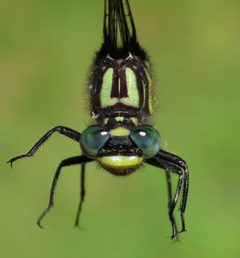
Distinguished from other clubtails by the shortened or reduced abdominal appendages referenced in the name. Separation from such as Hylogomphus viridifrons requires examination of genitalia and thoracic patterning. The spine-like cephalic projections help distinguish Hylogomphus from other gomphid .
Images
Appearance
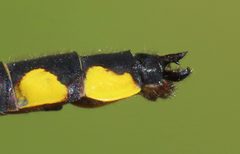
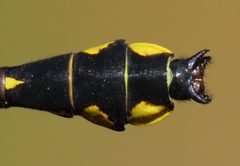
Medium-sized with the clubbed typical of Gomphidae. The specific epithet 'abbreviatus' refers to shortened or reduced structures, likely referring to particular morphological features. Members of this generally show dark coloration with pale markings and possess spine-like projections on the or , consistent with the 'Spine-crowned Clubtail'.
Habitat
Flowing water systems including rivers and streams. Associated with clear, moderate to fast-moving water with appropriate substrate for larval development.
Distribution
Eastern North America. Documented from Vermont, United States, with broader distribution inferred from range in the Appalachian and northeastern regions.
Seasonality
period occurs during summer months, typical for northern temperate Odonata.
Life Cycle
Hemimetabolous development with aquatic larval stage (naiad) and terrestrial stage. Larvae are benthic in stream substrates. Specific duration of instars and timing not documented.
Behavior
Perches on vegetation or rocks near water. Males patrol territories along stream reaches. Mating occurs at or near water, with females ovipositing into flowing water.
Ecological Role
in both aquatic (larval) and terrestrial () . Larvae consume aquatic ; adults capture flying insects.
Human Relevance
Subject of odonate biodiversity monitoring and citizen science documentation through platforms such as iNaturalist. No documented economic or medical significance.
Similar Taxa
- Hylogomphus viridifronsOverlapping range and similar size; distinguished by thoracic pattern and genital structure
- Other Gomphidae genera (Gomphus, Lanthus)Similar clubbed ; Hylogomphus separated by spine-like projections and genital
More Details
Nomenclature
Authorship cited as (Hagen in Selys, 1878) indicates Hagen described the within a publication by Selys-Longchamps. Transferred to Hylogomphus from prior placements.
Conservation Status
Not assessed by IUCN. Regional rarity in parts of range may warrant local conservation attention.