
Hemerobius stigma
Stephens, 1836
brown pine lacewing
Hemerobius stigma is a of brown lacewing in the Hemerobiidae. It is commonly known as the brown pine . The species has a Holarctic distribution, occurring in Europe, Northern Asia (excluding China), and North America. It was introduced to New Zealand in 1935 as a agent for adelgids on pine plantations but failed to establish.
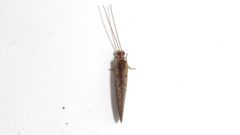
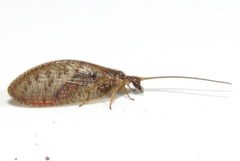
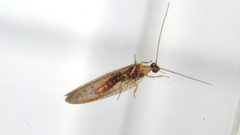
Pronunciation
How to pronounce Hemerobius stigma: //hɛˈmɛ.roʊ.bi.əs ˈstɪɡ.mə//
These audio files are automatically generated. While they are not always 100% accurate, they are a good starting point.
Images
Habitat
Associated with coniferous forests, particularly pine plantations. The "brown pine " suggests a specific association with pine .
Distribution
Europe; Northern Asia (excluding China); North America. Introduced but not established in New Zealand.
Diet
Host Associations
- Adelgidae - preyTargeted for in New Zealand pine plantations
- Pinus - Associated with pine plantations; reflects this association
Behavior
are and have been observed at blacklight/UV light sources. Overwinters as adults.
Ecological Role
of adelgids, a group of conifer-feeding hemipterans. Attempted use as agent.
Human Relevance
Subject of an unsuccessful introduction to New Zealand in 1935 to manage adelgid pests in pine plantations. The was noted as present but did not establish a .
Similar Taxa
- Micromus posticusAnother brown lacewing that can occur sympatrically; distinguished by expert identification
- Chrysoperla spp.Green lacewings in Chrysopidae; are typically green rather than brown, though green lacewings may appear brown or reddish in autumn and spring
More Details
Biological control history
Hemerobius stigma was introduced to New Zealand in 1935 specifically to prey on adelgids ( Adelgidae) infesting pine plantations. Despite being released, the was unable to establish and is not considered present in the New Zealand fauna.
Sources and further reading
- BugGuide
- Wikipedia
- GBIF taxonomy match
- iNaturalist taxon
- NCBI Taxonomy
- Catalogue of Life
- Bug Eric: Blacklighting Already?
- No Buzz, No Problem: Study Shows How Honey Bees Pollinate Blueberries
- Unique Relationship Between Joshua Tree and Moth Documented for First Time
- Brazil Bugs #4 – Mais dos percevejos | Beetles In The Bush
- Celebrating Taxonomist Day with Elvis Worms and Sneaky Pipefish | Blog
- Caprifoliaceae | Beetles In The Bush