
Phtheochroa
Phtheochroa is a of tortricid moths in the tribe Cochylini. in this genus are generally small to medium-sized with relatively plain forewing patterns. The genus occurs primarily in the Holarctic region, with most species described from the Palearctic. Larval stages are associated with various herbaceous plants and shrubs.
Identification
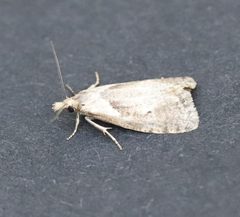
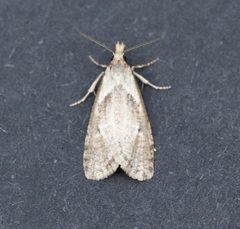
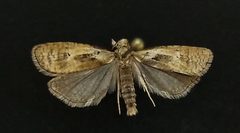
Distinguished from similar cochyline (e.g., Cochylis, Aethes) by the combination of relatively plain, unmarked or weakly marked forewings and the absence of strong costal folds or pronounced wing modifications. Genitalia examination is often required for definitive identification within the genus. The absence of prominent wing patterns separates most Phtheochroa from more boldly marked tortricines.
Images
Habitat
Associated with open including grasslands, meadows, scrubland, and forest edges. Larval plants suggest preference for areas with diverse herbaceous vegetation.
Distribution
Primarily Holarctic. The majority of described occur in the Palearctic region (Europe, North Africa, Asia). A smaller number of species are known from North America. Specific distribution data for undescribed species (n-sp) is unavailable.
Seasonality
are generally active during the summer months in temperate regions, with periods typically from June to August. Exact timing varies by and latitude.
Host Associations
- Asteraceae - larval various herbaceous
- Lamiaceae - larval reported for some
- Chenopodiaceae - larval including Atriplex and related
Life Cycle
Complete with four stages: , larva, pupa, . Larvae are internal feeders in stems, roots, or flower of plants. occurs in soil or within the feeding site. Most appear to be , with a single per year.
Behavior
are and attracted to light. Larval feeding is concealed within plant tissues. Adults are not known to feed.
Ecological Role
Larvae function as herbivores, acting as stem and root borers or flower feeders on their plants. They contribute to nutrient cycling and may serve as prey for and other natural enemies.
Human Relevance
No significant economic importance. Occasionally collected by lepidopterists. Not known as agricultural pests.
Similar Taxa
- CochylisSimilar size and general appearance, but Cochylis typically show more distinct forewing patterns including well-defined fasciae and costal spots.
- AethesOverlaps in and size; Aethes often has more contrasting wing markings and different genitalia structure.
- PhalonidiaPlain-winged can resemble Phtheochroa, but Phalonidia usually has more slender wings and different male genitalia with distinctive aedeagal structures.
More Details
Taxonomic Uncertainty
The designation 'n-sp' indicates an undescribed or unidentified within the . Without specimen examination or additional data, specific identification is not possible. The genus Phtheochroa has undergone taxonomic revision, and some species have been transferred to or from related genera.
Research Needs
Larval and associations remain poorly documented for many Phtheochroa . Molecular phylogenetic studies may clarify relationships within Cochylini and help resolve species boundaries.