
Phalonidia
Le Marchand, 1933
Species Guides
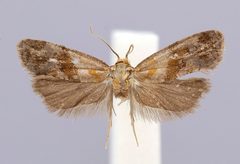
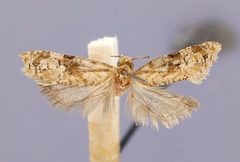
6Phalonidia is a of tortricid moths in the Tortricinae, tribe Cochylini. The genus contains over 100 described and is most diverse in the Neotropical and Palaearctic regions. Several species have been reclassified to other genera, including Platphalonidia and various Cochylini genera. At least one species, Phalonidia manniana, has been documented feeding on Mentha aquatica.

Pronunciation
How to pronounce Phalonidia: /fæˈloʊnɪdiə/
These audio files are automatically generated. While they are not always 100% accurate, they are a good starting point.
Images
Distribution
Almost worldwide except Africa and Australia. Most diverse in Neotropical and Palaearctic regions. Documented in China, Europe (Denmark, Norway, Sweden), and North America (Vermont, USA).
Diet
Phalonidia manniana larvae feed on pith and adjoining leaves of Mentha aquatica stems. Diet of other is not documented in available sources.
Behavior
Early instar larvae of Phalonidia manniana feed within stem tips of plants. Larval coloration has been observed to differ between P. manniana and the closely related P. udana.
Ecological Role
Phalonidia manniana serves as to at least one hymenopterous .
Similar Taxa
- PlatphalonidiaFormerly included now placed in this separate ; distinguished by morphological characters in genitalia and wing pattern
- Phalonidia udanaClosely related with larvae differing in coloration from P. manniana
More Details
Taxonomic complexity
The has undergone extensive revision, with numerous transferred to other genera including Aethes, Aethesoides, Fulvoclysia, Gynnidomorpha, Lorita, Mourecochylis, and Saphenista. Some species were formerly classified under the genus Phalonia.
Species diversity
Over 100 have been described, with ongoing taxonomic work in China and the Neotropics adding new species. Three Chinese species were described as new in 2013: P. brevifasciaria, P. rotundiventralis, and P. tenuispiniformis.
Sources and further reading
- BugGuide
- Wikipedia
- GBIF taxonomy match
- iNaturalist taxon
- NCBI Taxonomy
- Catalogue of Life
- Taxonomic review of Chinese <i>Phalonidia</i> Le Marchand, 1933 (Lepidoptera: Tortricidae: Cochylini)
- Phalonidia manniana (Fischer von Röslerstamm, 1839) (Lepidoptera: Tortricidae): apparently previously unrecorded observations on the early larval stage