
Acrolophus
Poey, 1832
Grass Tubeworm Moths
Species Guides
34- Acrolophus arcanella(grass tubeworm moth)
- Acrolophus arizonellus
- Acrolophus bicornutus
- Acrolophus cockerelli
- Acrolophus crescentella
- Acrolophus cressoni(Cresson's Grass Tubeworm Moth)
- Acrolophus davisellus
- Acrolophus filicicornis
- Acrolophus forbesi(Forbes' Grass Tubeworm Moth)
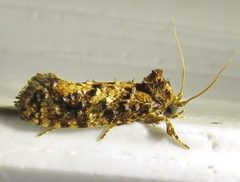
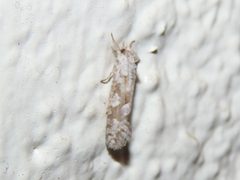
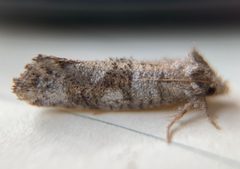
Acrolophus is a of in the Acrolophidae, originally described by Felipe Poey in 1832. The genus was formerly classified in the family Tineidae (clothes moths) but has been reassigned to Acrolophidae based on revised phylogenetic understanding. in this genus are commonly known as "grass tube moths" or "grass tubeworm moths" due to the distinctive larval of spinning silken tubes at the base of grasses or around grass roots for concealment while feeding. The genus exhibits exceptional individual variation in color pattern within species, rendering field identification of many specimens difficult or impossible without dissection or molecular analysis.
Pronunciation
How to pronounce Acrolophus: /ˌæ.krəˈloʊ.fəs/
These audio files are automatically generated. While they are not always 100% accurate, they are a good starting point.
Identification
Field identification to is often impossible due to extreme individual variation in color and pattern. Specimens may be distinguished from superficially similar by their association with grasses and the -level characteristic of larval tube-spinning . Definitive identification requires examination of genitalia or molecular analysis. The may be confused with other small moths in families Tineidae or Depressariidae, but Acrolophus species lack the distinctive upturned palps with horn-like appearance seen in some Depressariidae.
Images
Habitat
dominated by grasses, including prairies, meadows, lawns, agricultural fields, and open woodlands. Larval habitat is specifically at the base of grasses or within the root zone where silken tubes are constructed.
Distribution
Widespread in North America; records from Colorado, Kansas, Massachusetts, and throughout eastern and central United States. The has been documented from suburban yards, parks, and natural grassland .
Seasonality
have been observed from July through September in the central United States. Activity is , with adults attracted to ultraviolet light sources.
Diet
Larvae feed on grasses, constructing silken tubes at the base of grass stems or around roots for concealment while feeding. Specific grass are poorly documented.
Host Associations
- Poaceae (grasses) - larval food plantLarvae spin silken tubes at base of grasses or grass roots
Life Cycle
Complete with , larva, pupa, and stages. Larvae are known as "grass tubeworms" due to their habit of spinning silken tubes at the base of grasses or around grass roots for concealment while feeding. likely occurs within or near these tubes, though specific details are poorly documented.
Behavior
are and attracted to ultraviolet light sources. Larvae construct silken tubes for concealment while feeding, remaining hidden during daylight hours.
Ecological Role
Larvae function as primary consumers in grassland , feeding on grasses and potentially contributing to nutrient cycling through their feeding activities. Their silken tubes may provide microhabitat for other small .
Human Relevance
Minimal direct economic impact. One , Acrolophus popeanella (Clemens' Grass Tubeworm Moth), has been documented in residential areas. Not known as a significant agricultural pest, though larval feeding on grasses could potentially impact turf or forage in high- .
Similar Taxa
- Tineidae (clothes moths)Formerly classified in this ; Acrolophus was moved to Acrolophidae based on phylogenetic revision. Tineidae larvae typically feed on keratinous materials rather than living grasses.
- DepressariidaeSome members have similar size and general appearance, but Depressariidae typically have distinctive upturned palps resembling horns between , and different larval habits.
- Crambidae (snout moths)Similar size and , but Crambidae have elongated labial palps forming a prominent 'snout' and larvae typically lack the grass-tube spinning behavior characteristic of Acrolophus.
More Details
Taxonomic History
Acrolophus was originally placed in the Tineidae but was reassigned to Acrolophidae as taxonomic understanding of Lepidoptera relationships improved. This change reflects ongoing revision in classification based on molecular and morphological evidence.
Identification Challenges
The is notable among North American for the exceptional degree of individual variation within . This phenotypic plasticity has historically complicated species delimitation and remains a significant obstacle to field identification.
Sources and further reading
- BugGuide
- Wikipedia
- iNaturalist taxon
- NCBI Taxonomy
- Catalogue of Life
- Bug Eric: National Moth Week 2024 Recap from Kansas City
- Bug Eric: My Personal National Moth Week, 2017
- Bug Eric: September 2017
- Bug Eric: It's National Moth Week Already?!
- Morphology, Anatomy, Ecology, Pollen and Achene Structure of Centaurea consanguinea DC. (Sect. Acrolophus)
- Morphology, Anatomy, Ecology, Pollen and Achene Features of Centaurea polyclada DC. (Sect. Acrolophus) in Turkey
- A synopsis of the Centaurea soskae and triniifolia group (Centaurea sect. Acrolophus) in the Prespa area and Northern Pindos
- Food supplementation to optimize inoculative release of the predatory bug Macrolophus pygmaeus in sweet pepper