Hesperia metea
Scudder, 1863
Cobweb Skipper
Hesperia metea, the cobweb skipper, is a small grassland in the Hesperiidae. It occurs across much of the eastern and central United States with a scattered, patchy distribution. The has a single per year, with active in spring. Larvae feed on native prairie grasses, while adults visit low-growing flowers for nectar.
Pronunciation
How to pronounce Hesperia metea: //hɛsˈpɛriə ˈmiːtiə//
These audio files are automatically generated. While they are not always 100% accurate, they are a good starting point.
Identification
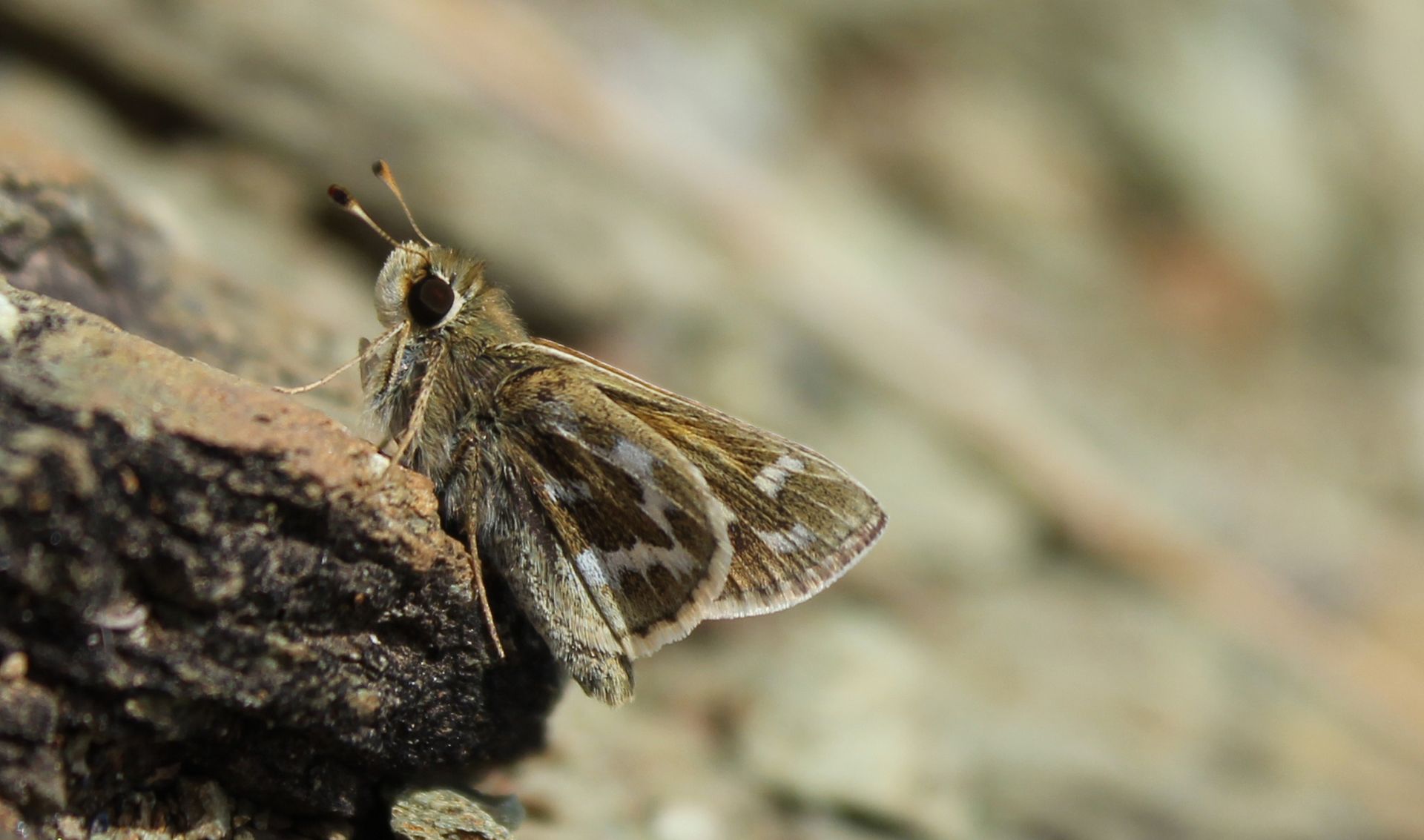
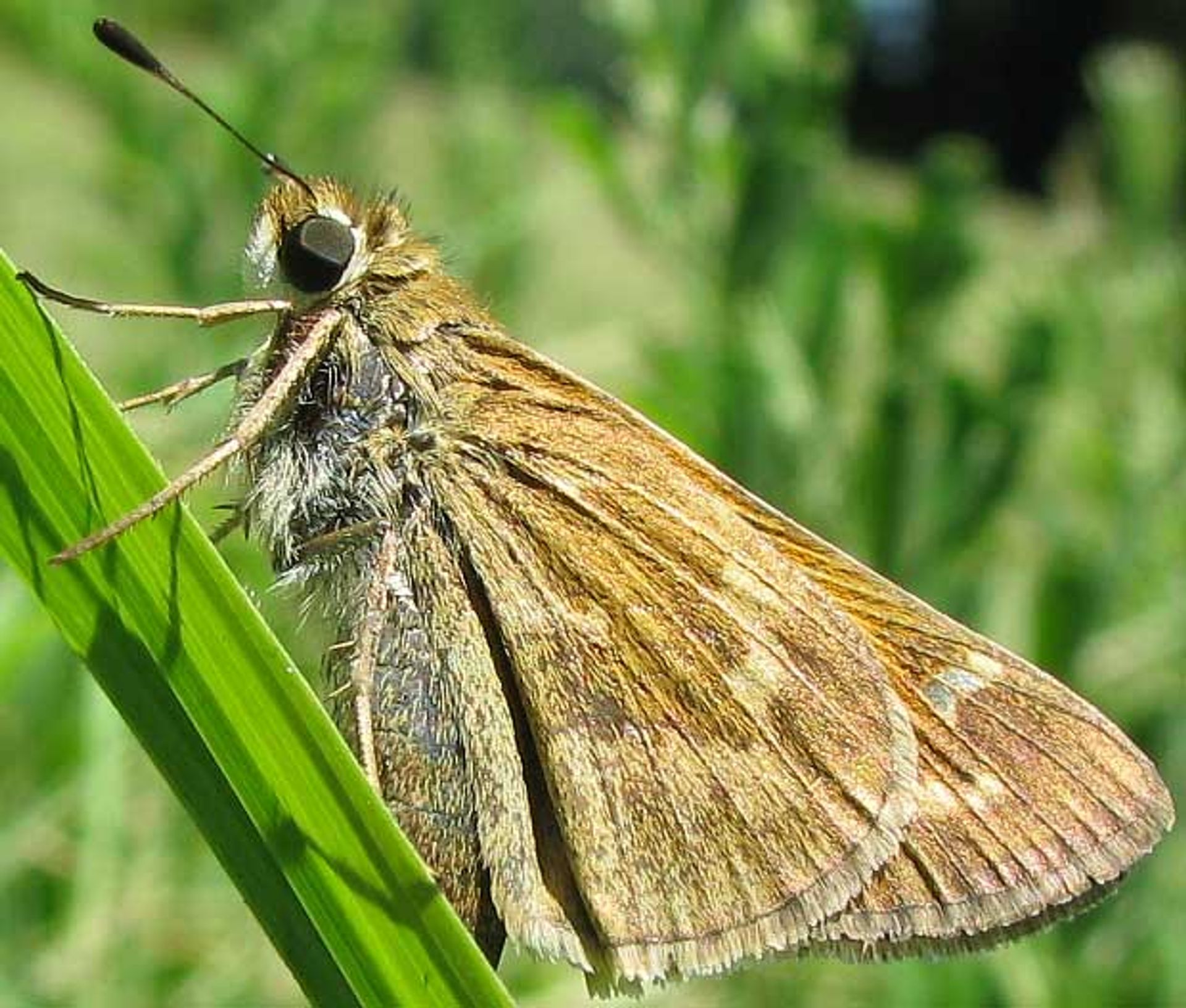
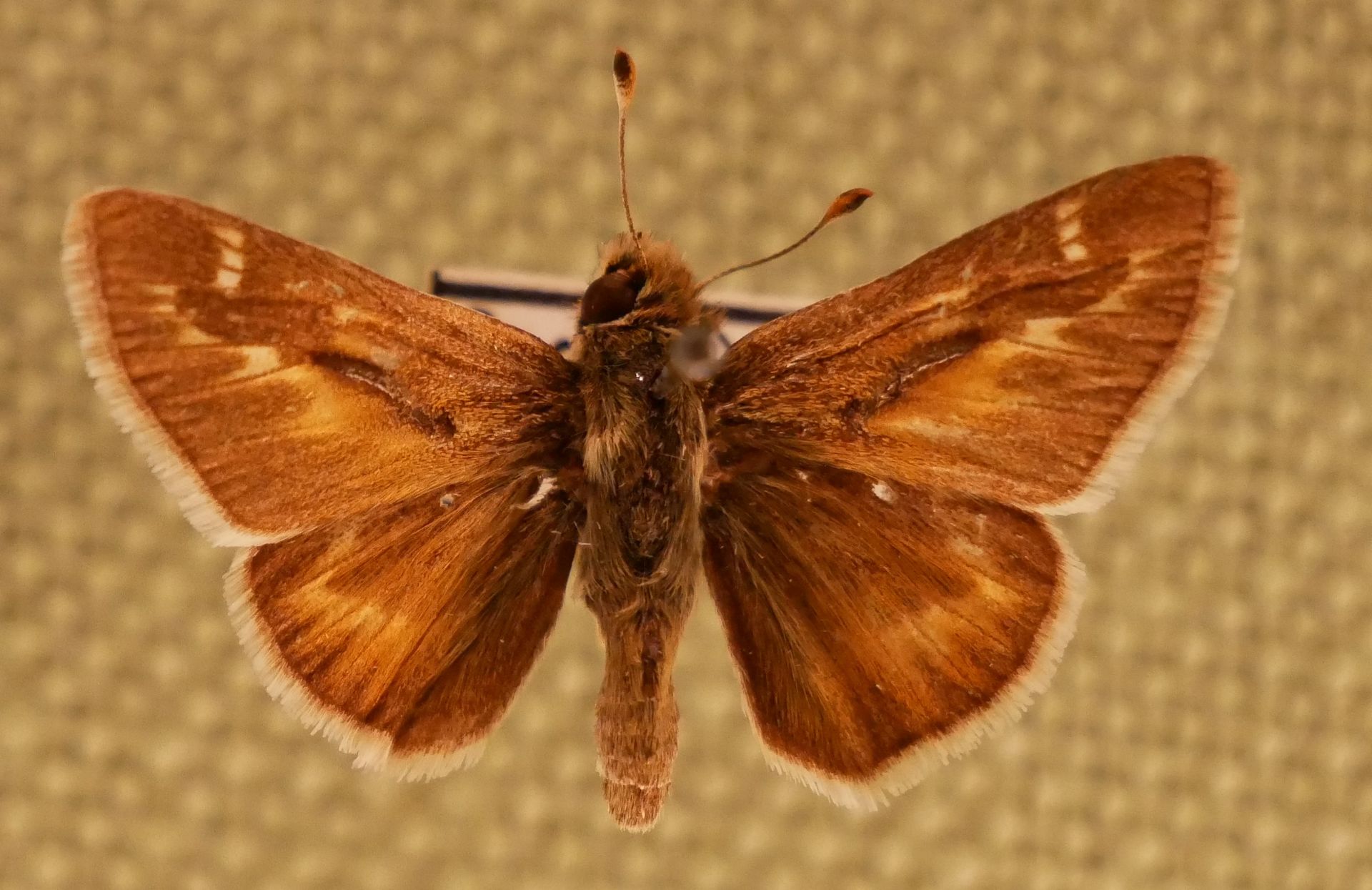
The cobweb skipper can be distinguished from other Hesperia by its small size, dark coloration, and the distinctive pale cobweb-like spot pattern on the upper wing surfaces. It is most similar to Hesperia ottoe and Hesperia leonardus, but occurs earlier in the season and typically in more open, dry . The single spring separates it from multi-brooded species. The scattered, pale spots on dark wings are more irregular and web-like than the more organized spot patterns of related species.
Images
Appearance
Wingspan 29–35 mm. Small, robust skipper with relatively short wings. Upper wing surfaces are dark brown to blackish with small, pale spots forming a cobweb-like pattern. Undersides are lighter with more distinct pale markings. are hooked at the tips, typical of skippers. Sexes are similar in appearance, with males possibly having more angular forewings.
Habitat
Dry, open grasslands including prairies, barrens, and savannas. Associated with native tallgrass and mixed-grass prairie remnants. Requires areas with intact native grass for larval development.
Distribution
Scattered distribution across the eastern and central United States. Range extends from southern Maine west to Wisconsin, south to central Georgia, the Gulf States, and central Texas. Distribution is patchy and localized, reflecting the fragmented nature of suitable prairie .
Seasonality
(one per year). are active from late March to early June, with peak activity varying by latitude. Early spring distinguishes it from later-flying related .
Diet
Larvae feed on native grasses including Schizachyrium scoparium (little bluestem) and Andropogon gerardi (big bluestem). feed on flower nectar from low-growing plants including Labrador tea, wild strawberry, blackberry, bird's-foot violet, winter cress, red clover, lilac, vervain, Carolina larkspur, and wild hyacinth.
Host Associations
- Schizachyrium scoparium - larval food plantlittle bluestem
- Andropogon gerardi - larval food plantbig bluestem
- Rhododendron groenlandicum - nectar sourceLabrador tea
- Fragaria virginiana - nectar sourcewild strawberry
- Rubus spp. - nectar sourceblackberry
- Viola pedata - nectar sourcebird's-foot violet
- Barbarea vulgaris - nectar sourcewinter cress
- Trifolium pratense - nectar sourcered clover
- Syringa vulgaris - nectar sourcelilac
- Verbena spp. - nectar sourcevervain
- Delphinium carolinianum - nectar sourceCarolina larkspur
- Dichelostemma capitatum - nectar sourcewild hyacinth
Life Cycle
Complete with four stages: , larva, pupa, . with one per year. Larvae feed on native grasses and overwinter, likely as partially grown larvae. occurs in spring, with adults emerging in late March to early June. Eggs are laid on or near grasses.
Behavior
are rapid, darting fliers typical of skippers. They remain close to the ground and frequently perch on low vegetation. Males may establish territories and engage in rapid pursuit . Adults visit low-growing flowers for nectar and are most active in sunny conditions.
Ecological Role
Larval herbivore on native prairie grasses, contributing to nutrient cycling in grassland . of low-growing spring wildflowers. Serves as prey for birds, spiders, and insect . for intact native prairie .
Human Relevance
Subject of conservation concern due to loss from prairie destruction and fragmentation. Monitored by enthusiasts and conservation biologists. Used as an for prairie health. Not known to be of economic importance.
Similar Taxa
- Hesperia ottoeSimilar size and coloration, but occurs later in the season and in different ; Ottoe skipper has more distinct and organized spot bands rather than cobweb pattern
- Hesperia leonardusSimilar dark coloration, but Leonard's skipper is larger, has more regular spot patterns, and flies in late summer rather than spring
- Hesperia dacotaeSimilar preferences but Dakota skipper is lighter in color with more prominent orange markings and has different spot arrangement
- Poanes hobomokHobomok skipper overlaps in range and but has more orange-brown coloration and different wing shape; active later in spring
More Details
Subspecies
Three are recognized: H. m. metea (nominotypical, northeastern range), H. m. intermedia (southern cobweb skipper, southeastern range), and H. m. licinus (Licinus cobweb skipper, southwestern range). Subspecies differ slightly in size, color intensity, and spot pattern.
Conservation Status
Not formally listed under federal legislation, but are declining rangewide due to prairie loss. Considered a of conservation concern in several states within its range. Relies on protected prairie remnants and appropriate management including prescribed fire.