
Egira curialis
Grote, 1873
Citrus Cutworm
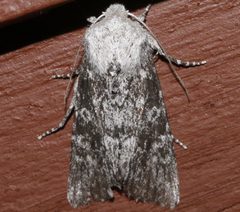
Egira curialis is a noctuid commonly known as the Citrus , native to North America. The has been documented as a pest of citrus groves in California's San Joaquin Valley, where larvae feed on young fruit and contribute to scarring damage. Research indicates that caterpillar densities and associated damage are higher in larger citrus groves. The species is listed under Hodges number 10511 in the North American moth numbering system.
Pronunciation
How to pronounce Egira curialis: //ˈɛ.d͡ʒɪ.rə ˌkjʊˈriː.ə.lɪs//
These audio files are automatically generated. While they are not always 100% accurate, they are a good starting point.
Identification
The can be identified by its Hodges number 10511 in North American classification systems. As a member of the Egira, it belongs to a group of cutworm moths characterized by robust bodies and typically dull coloration. Specific diagnostic features distinguishing E. curialis from are not documented in available sources.
Images
Habitat
Documented in citrus groves in California's San Joaquin Valley, particularly in Fresno and Tulare counties. Associated with commercial mandarin and navel orange production areas.
Distribution
North America. Specific records from Alberta and Saskatchewan, Canada. Present in California, USA, particularly in commercial citrus-growing regions of the San Joaquin Valley.
Seasonality
Described as an early-season pest that feeds on very young citrus fruit. Specific periods or activity timing are not documented in available sources.
Diet
Larvae feed on young citrus fruit, including mandarin oranges (Citrus reticulata, C. clementina, C. unshiu, C. tangelo) and navel oranges (Citrus sinensis). Feeding activity results in fruit scarring that can render fruit unmarketable.
Host Associations
- Citrus reticulata - larval food plantMandarin orange; young fruit fed upon by larvae
- Citrus clementina - larval food plantClementine mandarin
- Citrus unshiu - larval food plantSatsuma mandarin
- Citrus tangelo - larval food plantTangelo hybrid
- Citrus sinensis - larval food plantNavel orange
Behavior
Larvae are fruit-feeding caterpillars active during early citrus growing season. Research indicates that caterpillar densities and associated scarring damage are higher in larger citrus groves.
Ecological Role
Pest in commercial citrus production. Contributes to fruit damage in contexts, though observed damage levels vary between citrus species.
Human Relevance
Agricultural pest of economic significance in California citrus industry. Larval feeding causes fruit scarring that can render mandarins and oranges unmarketable for fresh fruit sale. Subject of research comparing pest densities and damage between mandarin and navel orange varieties.
Similar Taxa
- Scudderia furcataForktailed bush ; also an early-season pest of young citrus fruit in the same California growing regions, causing similar fruit scarring damage
- Scirtothrips citriCitrus thrips; co-occurs as early-season pest of citrus in same region, though belongs to different order (Thysanoptera)
More Details
Pest Management Research
A 2012-2018 study by University of California researchers found that caterpillar densities and scarring were higher in larger citrus groves. The research highlighted that guidelines developed for navel oranges may not be directly transferable to mandarin varieties, with C. reticulata showing lower observed damage than expected given pest densities.
Taxonomic History
Originally described as Xylomiges curialis by Grote in 1873, later transferred to Egira.