
Papaipema eupatorii
Lyman, 1905
Joe-Pye Weed Borer Moth, Joe-Pye-weed borer, eupatorium borer
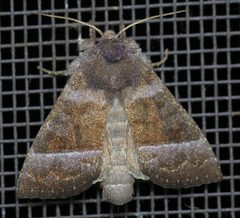
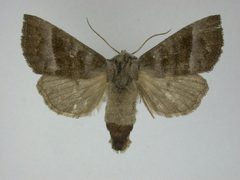
Papaipema eupatorii is a noctuid native to North America. The reference its larval association with Joe-Pye weed (Eutrochium/Eupatorium species). are and attracted to light. The species was originally described by Lyman in 1905 under the Gortyna.
Pronunciation
How to pronounce Papaipema eupatorii: /pə.paɪˈpi.mə juˌpæ.təˈri.aɪ/
These audio files are automatically generated. While they are not always 100% accurate, they are a good starting point.
Identification
can be distinguished from other Papaipema by genitalia examination; external is similar across many . The specific epithet and indicate association with Eupatorium , though this alone is insufficient for field identification. Hodges number 9501.
Images
Habitat
Associated with wetlands and moist meadows where plants (Eutrochium ) grow. Larvae bore into stems of living host plants.
Distribution
North America. Documented from Vermont and presumably occurs throughout the range of its plants in eastern and central North America.
Seasonality
have been observed from July through September based on iNaturalist records. Larval activity presumably occurs earlier in the growing season when plant stems are succulent.
Diet
Larvae bore into and feed on the stems of Joe-Pye weed (Eutrochium purpureum and related Eutrochium/Eupatorium ).
Host Associations
- Eutrochium purpureum - larval presumed primary based on etymology
- Eutrochium maculatum - larval presumed based on -level association
Life Cycle
Larvae are stem borers in living plants. presumably occurs in soil or within host plant debris. are .
Behavior
Larvae bore into living stems of plants, creating internal tunnels. are and attracted to light sources.
Ecological Role
As a stem borer, larvae may weaken plant stems and potentially affect plant . Serves as prey for .
Human Relevance
No significant economic or agricultural impact. Of interest to lepidopterists and naturalists. plant (Joe-Pye weed) is a native wildflower used in horticulture and restoration.
Similar Taxa
- Papaipema nebrisSimilar size and coloration; distinguished by genitalia and plant association (corn and other crops vs. Eutrochium)
- Papaipema marginidensOverlapping range and similar ; requires dissection for reliable identification
- Papaipema pterisiiCongeneric stem borer with similar appearance; plant (bracken fern) differs
More Details
Taxonomic history
Originally described as Gortyna eupatorii by Lyman in 1905, later transferred to Papaipema. The basionym reflects early confusion in noctuid generic limits.
Conservation status
Not evaluated by IUCN. Appears secure based on observation frequency, though wetland loss may affect local .