
Papaipema pterisii
Bird, 1907
Bracken Borer Moth
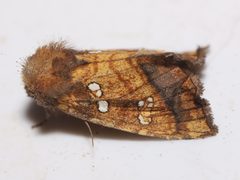
Papaipema pterisii, commonly known as the bracken borer , is a noctuid moth native to North America. The is named for its association with bracken fern, though specific ecological details remain poorly documented. Like other members of the Papaipema, it is presumed to have a borer lifestyle, with larvae tunneling into plant stems or rhizomes. The species was described by Bird in 1907 and has been recorded across a broad North American range.
Pronunciation
How to pronounce Papaipema pterisii: //ˌpæpəˈaɪpəmə ˈptɛrɪsi//
These audio files are automatically generated. While they are not always 100% accurate, they are a good starting point.
Identification
Specific diagnostic features for P. pterisii are not well documented in available sources. The Papaipema contains numerous similar , many of which require dissection or molecular analysis for reliable identification. are medium-sized noctuid with generally subdued coloration. Accurate identification likely requires examination of genitalia or reference to specialized regional faunas.
Images
Habitat
Associated with bracken fern (Pteridium) stands and adjacent woodland edges. include open forests, forest clearings, and areas with dense fern growth where plants occur.
Distribution
North America. Documented from the United States including Vermont, with broader distribution inferred from -level patterns across eastern and central North America.
Diet
Larvae bore into bracken fern (Pteridium aquilinum or related ). Specific feeding habits of are not documented.
Host Associations
- Pteridium - larval Bracken fern; specific not confirmed
Ecological Role
As a borer in bracken fern rhizomes or stems, larvae may influence fern locally. The contributes to the guild of insects that exploit fern resources in forest .
Human Relevance
No documented economic or medical significance. The reflects ecological association rather than agricultural impact.
Similar Taxa
- Papaipema speciesNumerous congeneric share similar and borer ; many require expert examination for separation
- Other Noctuidae borersLifestyle convergence with stem-boring noctuids in other may cause superficial similarity in larval stages
More Details
Taxonomic note
The specific epithet 'pterisii' derives from Pteris, a fern historically conflated with Pteridium, reflecting the original association hypothesis. The belongs to a genus of approximately 50 North American species, many of which are poorly known biologically.