Apamea impulsa
Guenée, 1852
Impulsive Apamea
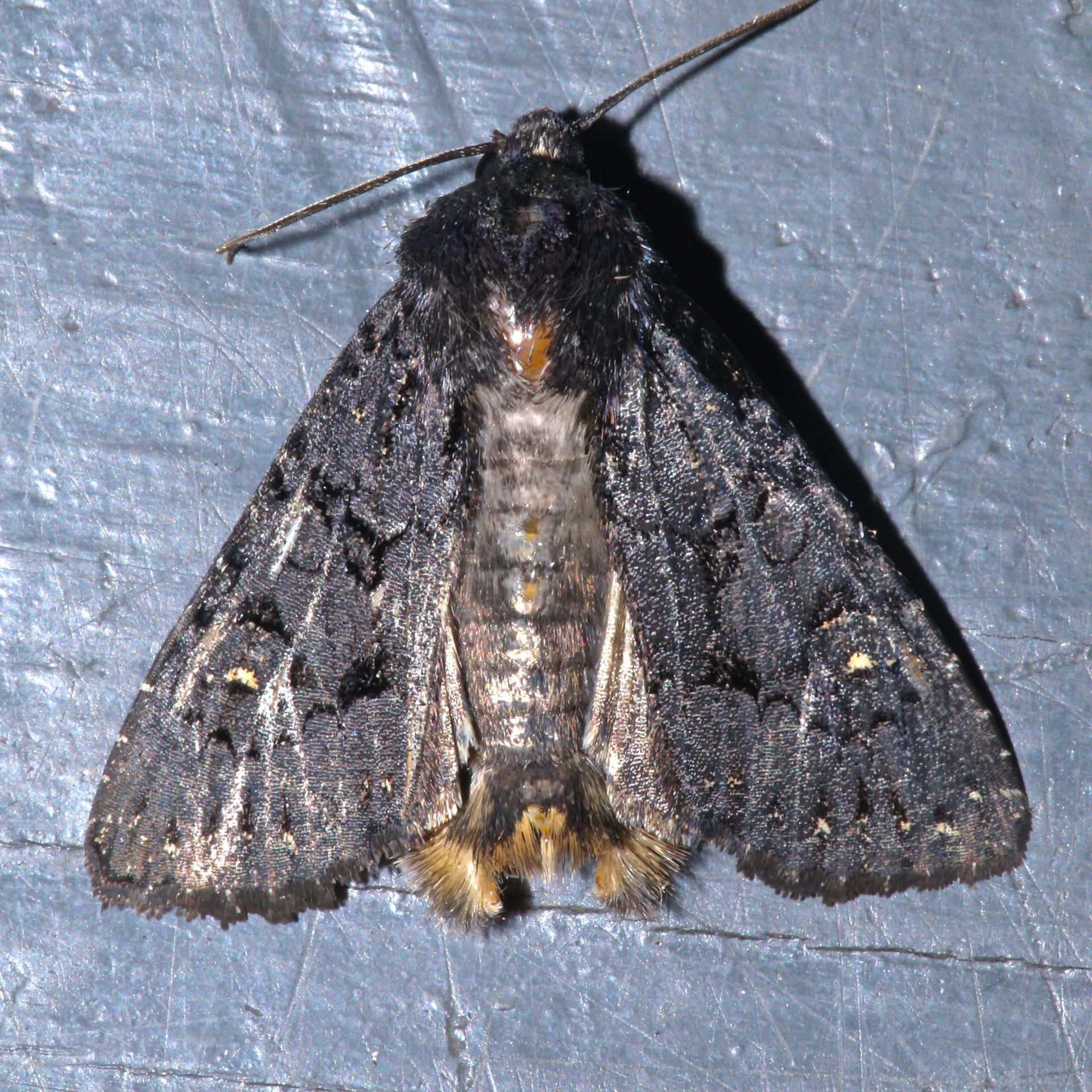
Apamea impulsa, commonly known as the Impulsive Apamea, is a noctuid native to North America with a transcontinental distribution across southern Canada and the northern United States. The has a wingspan of approximately 34 mm and exhibits with active during summer months. Larvae are grass-feeders, placing this species within the cutworm moth group whose members can be challenging to identify due to intraspecific variation and interspecific similarity.

Pronunciation
How to pronounce Apamea impulsa: /əˈpeɪmiə ɪmˈpʌlsə/
These audio files are automatically generated. While they are not always 100% accurate, they are a good starting point.
Identification
Identification to within Apamea is difficult and often requires examination of genitalia or detailed wing pattern analysis. Apamea impulsa can be confused with other Apamea cutworm moths, including Apamea amputatrix (Yellowheaded ) and related species. Distinguishing features from are subtle and may include specific forewing pattern elements, but confident identification typically requires dissection or molecular confirmation. The species lacks the distinctive yellow capsule of A. amputatrix larvae.
Images
Appearance
Medium-small noctuid with wingspan approximately 34 mm. Forewings exhibit cryptic patterning typical of Apamea , with variable ground coloration and intricate markings that provide camouflage against bark or leaf litter substrates. Hindwings generally paler than forewings. Body form robust, consistent with cutworm moth .
Habitat
Associated with grassland and open where larval grasses occur. attracted to artificial light sources. Specific microhabitat preferences for larvae include areas with dense grass cover.
Distribution
Native to North America with transcontinental distribution. Present across southern Canada from coast to coast and throughout the northern United States. Confirmed occurrence in Canadian provinces: Alberta, Manitoba, Saskatchewan, and Vermont (USA).
Seasonality
fly from June to August, with exact timing varying by latitude and local climate. Single per year ().
Diet
Larva feeds on grasses (Poaceae). feeding habits not documented.
Host Associations
- Poaceae - larval food plantgrasses
Life Cycle
Complete with one annually. stage not explicitly documented in sources but likely as larva or pupa given pattern. occurs in early to mid-summer.
Behavior
are and attracted to light. Larvae are ground-dwelling grass feeders, consistent with . No specific behavioral peculiarities documented.
Ecological Role
Larval stage functions as primary consumer in grassland . likely serve as prey for including bats and birds. No specific role documented.
Human Relevance
Not documented as an agricultural pest. Attracted to light traps used for surveys and biodiversity monitoring. Contributes to the taxonomic challenge of Apamea identification that complicates ecological studies.
Similar Taxa
- Apamea amputatrixSimilar size, distribution, and general appearance; distinguished by larval yellow capsule and subtle wing pattern differences
- Other Apamea species-wide morphological convergence in forewing patterning creates identification challenges requiring detailed examination
More Details
Taxonomic History
Originally described as Mamestra impulsa by Guenée in 1852, later transferred to Apamea.
Identification Challenges
The Apamea is noted for being 'maddeningly difficult to identify' due to individual variation within and overlapping appearance among species, making A. impulsa part of a broader taxonomic complex requiring expert verification.