
Mamestra
Ochsenheimer, 1816
Cabbage moth
Species Guides
2- Mamestra configurata(Bertha Armyworm Moth)
- Mamestra curialis(Scripted Arches Moth)
Mamestra is a of noctuid established in 1816. The genus contains at least five described , with M. brassicae (cabbage moth) being the most economically significant. lines from M. brassicae are used in biopharmaceutical research for recombinant protein production.
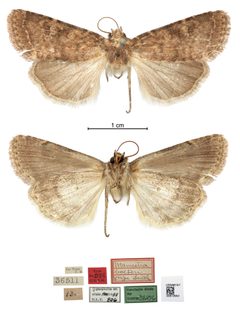
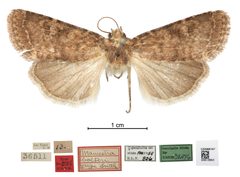
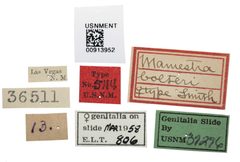
Pronunciation
How to pronounce Mamestra: /mæˈmɛstrə/
These audio files are automatically generated. While they are not always 100% accurate, they are a good starting point.
Images
Distribution
Distribution records exist for Denmark, Norway, and Sweden. The has a broader distribution including Europe and Asia, with M. brassicae extending to North Africa and introduced to North America.
Host Associations
- Brassica - larval M. brassicae larvae feed on cabbage and related crops
Human Relevance
M. brassicae is a significant agricultural pest of brassica crops. lines from this are used in biopharmaceutical manufacturing for recombinant protein production, offering post-translational modification capabilities unavailable in bacterial systems.
More Details
Research Applications
Mamestra brassicae lines are among the more than 100 insect cell lines available for recombinant protein production. These lines are featured in the University of Kentucky's Insect Cell Lines database, which catalogs over 1,270 established insect cell lines for research applications including development and virology studies.