
Zanclognatha
Lederer, 1857
litter moths
Species Guides
13- Zanclognatha atrilineella(Black-lined Fan-foot)
- Zanclognatha cruralis(Early Fan-foot)
- Zanclognatha dentata(Coastal Plain Zanclognatha)
- Zanclognatha jacchusalis(Wavy-lined Fan-foot)
- Zanclognatha laevigata(Variable Zanclognatha)
- Zanclognatha lituralis(Lettered Zanclognatha)
- Zanclognatha marcidilinea(Yellowish Fan-foot)
- Zanclognatha martha(pine barrens zanclognatha)
- Zanclognatha
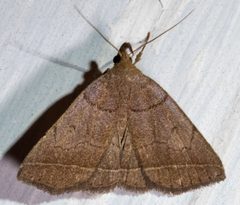
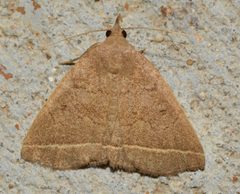
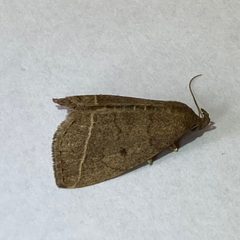
Zanclognatha is a of litter moths in the Erebidae, Herminiinae. The genus was erected by Julius Lederer in 1857 and has experienced taxonomic instability, having been synonymized with Polypogon multiple times before current treatments generally recognize it as distinct. -level remains problematic, with often difficult to distinguish using traditional characters. The genus contains approximately 25 described species distributed across the Northern Hemisphere.
Pronunciation
How to pronounce Zanclognatha: //zæŋ.klɔɡˈneɪ.θə//
These audio files are automatically generated. While they are not always 100% accurate, they are a good starting point.
Identification
Zanclognatha are notoriously difficult to distinguish from one another; wing patterns and genital , characters typically reliable for identification, have proven inconsistent for this . Larvae are reportedly more distinctive than adults and may offer better prospects for future taxonomic work. The genus can be separated from related Herminiinae genera by subtle combinations of wing venation, palp structure, and overall body proportions, though precise diagnostic features require examination.
Images
Habitat
Associated with forest floor litter and decaying organic matter; larvae inhabit leaf litter and presumably feed on decomposing plant material. Specific microhabitat preferences vary by , with some associated with coniferous forests and others with deciduous woodlands or coastal plain .
Distribution
Northern Hemisphere distribution including North America, Europe, and East Asia. Records from Scandinavia (Denmark, Norway, Sweden), United States (including Vermont), and Japan. Individual show more restricted ranges; for example, Zanclognatha dentata is restricted to the Atlantic Coastal Plain of North America, while Zanclognatha martha occurs in pine barrens .
Behavior
are and attracted to light. Larval is poorly documented but consistent with ground-dwelling litter-feeding habits typical of Herminiinae.
Ecological Role
Larvae contribute to decomposition processes in forest through consumption of decaying plant material. Specific ecological functions remain poorly studied due to difficulties in -level identification.
Similar Taxa
- PolypogonHistorically synonymized with Zanclognatha; separation based on subtle morphological differences in wing venation and male genitalia, with taxonomic treatments varying by author and time period
- HerminiaRelated in Herminiinae with similar litter moth ; distinguished by wing pattern elements and structural features of the male genitalia
More Details
Taxonomic instability
The has undergone repeated synonymization and resurrection: treated as synonym of Polypogon in 1989, recognized as distinct in 1991, synonymized again in 1996, and generally treated as separate since 1998. Current consensus favors maintaining Zanclognatha and Polypogon as distinct genera, though some uncertainty persists.
Undescribed diversity
The likely contains substantial cryptic diversity; some currently recognized are believed to comprise multiple valid species-level awaiting formal description, and additional undescribed species are suspected to exist.