
Zanclognatha martha
Barnes, 1928
pine barrens zanclognatha, Martha's zanclognatha, Pine Barrens Fan-foot
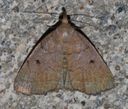
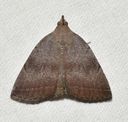
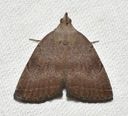
Zanclognatha martha is a small litter moth in the Erebidae, described by William Barnes in 1928. The occurs across the eastern United States, from Ohio to Maine and southward to Texas, with disjunct in the Appalachian Mountains and Coastal Plain. It is listed as threatened in Connecticut, where it has one per year. The species is associated with pine barrens and similar where its larval plant, bear oak (Quercus ilicifolia), occurs.
Pronunciation
How to pronounce Zanclognatha martha: //ˌzæŋkloʊˈɡneɪθə ˈmɑrθə//
These audio files are automatically generated. While they are not always 100% accurate, they are a good starting point.
Images
Habitat
Pine barrens and associated dry, sandy . The is closely tied to areas where bear oak (Quercus ilicifolia) grows, as this is the known larval plant.
Distribution
Eastern North America: from Ohio to Maine, south in the Appalachian Mountains to North Carolina, and along the Atlantic and Gulf Coastal Plain to Texas. Specific state records include Connecticut, where it is listed as threatened.
Seasonality
One per year in Connecticut and Missouri; two generations per year in the southern portion of its range.
Diet
Larvae feed on decomposing leaves of bear oak (Quercus ilicifolia). diet is not documented.
Host Associations
- Quercus ilicifolia - larval food plantDecomposing leaves
Life Cycle
Complete with documented variation in voltinism: in northern parts of range (Connecticut, Missouri), in the south. Specific details of , larval, and pupal stages are not documented beyond larval association.
Ecological Role
Larval stage contributes to leaf litter decomposition through feeding on decaying bear oak leaves.
Human Relevance
Listed as threatened in Connecticut, indicating conservation concern in at least part of its range. No other documented economic or cultural significance.
Similar Taxa
- Other Zanclognatha speciesThe Zanclognatha contains multiple similar-looking litter moths; precise identification requires examination of genitalia or other subtle morphological features not covered in available sources.
Sources and further reading
- BugGuide
- Wikipedia
- GBIF taxonomy match
- iNaturalist taxon
- NCBI Taxonomy
- Catalogue of Life
- To Boldly Go, and the Chancellor Did: To an Insect Museum! | Bug Squad
- Treasures in Gemstones: Previously Unknown Wasps Found in Prehistoric Amber
- Chrysalis Conundrum: Why One Butterfly Species' Pupae Fare Better in Winter Than Summer
- “Dungers and Chafers – a Trip to South Africa” | Beetles In The Bush
- Bug Eric: Scientific Illustration
- Bug Eric: February 2010