
Oxydia
Guenée, 1857
Species Guides
2- Oxydia cubana(Cuban spanworm moth)
- Oxydia vesulia(spurge spanworm moth)
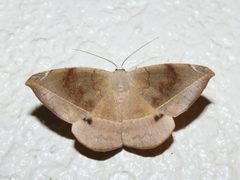
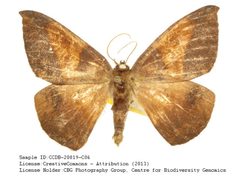
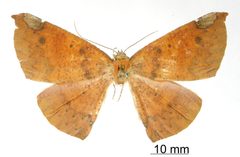
Oxydia is a of geometrid moths in the Geometridae, first described by Achille Guenée in 1857. in this genus are distributed across the Americas, with several species recognized as forest pests of economic importance. The genus includes defoliator species that attack conifers, eucalyptus, and other woody plants. Larvae are commonly known as loopers or measuring worms due to their characteristic looping gait.
Pronunciation
How to pronounce Oxydia: /ɒkˈsɪdiə/
These audio files are automatically generated. While they are not always 100% accurate, they are a good starting point.
Images
Habitat
occur in forested environments including conifer plantations, eucalyptus plantations, and mixed forest stands. Several species have adapted to anthropogenic such as commercial timber plantations.
Distribution
Americas: Brazil, Colombia, and other Neotropical regions. Specific distribution varies by .
Ecological Role
Some serve as secondary pests in commercial forestry, causing defoliation and economic damage to timber plantations. Multiple species in this are for including Tetrastichus howardi, Trichogramma beckeri, and Telenomus alsophilae, making them important for research.
Human Relevance
Several Oxydia are significant forest pests. Oxydia vesulia is a secondary pest of eucalyptus plantations in Brazil, causing and economic damage. Oxydia trychiata is a major pest of conifers in Colombia, with documented outbreaks affecting Pinus patula plantations. These species have been studied extensively for and programs.
Sources and further reading
- BugGuide
- Wikipedia
- GBIF taxonomy match
- iNaturalist taxon
- NCBI Taxonomy
- Catalogue of Life
- Tetrastichus howardi (Hymenoptera: Eulophidae): first report of parasitism in Oxydia vesulia (Lepidoptera: Geometridae)
- Estudio Biologico Del Medidor Gigante, Oxydia Trychiata , Plaga de Coniferas En Colombia
- Trichogramma Beckeri Nagarkatti: Un Nuevo Parasito Del Medidor Gigante Del Cipres, Oxydia Trychiata (Guenée)
- Oxydia Platyterata Guenée, Sabulodes Glaucularia (Snellen) Y Medidor Campanita, Tres Nuevos Defoliadores de Importancia Forestal En Colombia
- Influencia de Varias Dietas Naturales Y de la Temperatura En El Desarrollo Del Oxydia Trychiata
- Life history and host range ofOxydia vesulia transpeneus, an unsuitable biological control agent of Brazilian peppertree
- Efecto Del Almacenamiento A Bajas Temperaturas de Huevos de Oxydia Trychiata (Guenee) Sin Parasitar Y Parasitados Por Telenomus Alsophilae Viereck
- Del Trichogramma Se Sabe Que… Y Otras Observaciones Sobre Su Parasitismo En Huevos de Oxydia Sp. Cerca Trychiata (Guenée) (Lepidoptera: Geometridae)