
Ponerini
Lepeletier de Saint-Fargeau, 1835
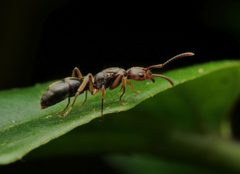
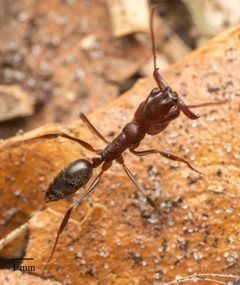
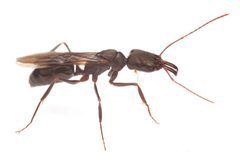
Typical Ponerine Ants
Genus Guides
10- Anochetus(Anochetus Trap-jaw Ants)
- Brachyponera(Asian needle ants)
- Cryptopone(Pit-jawed Ants)
- Hypoponera(Crypt Ants)
- Leptogenys(Razorjaw Ants)
- Neoponera(Neoponera Panther Ants)
- Odontomachus(trap-jaw ants)
- Pachycondyla(Panther Ants)
- Ponera(Porthole Ants)
Ponerini is a tribe of ants within the Ponerinae, containing 46 extant and 6 extinct genera. It encompasses the majority of ponerine diversity, with only the genus Platythyrea excluded (placed in its own tribe Platythyreini). The tribe includes well-known genera such as Odontomachus (trap-jaw ants), Pachycondyla, Ponera, and Harpegnathos. Recent phylogenomic studies by Fisher et al. (2025) recognize six informal genus groups: Pachycondyla, Ponera, Odontomachus, Harpegnathos, Hypoponera, and Plectroctena groups.
Pronunciation
How to pronounce Ponerini: /ˌpoʊnəˈraɪnaɪ/
These audio files are automatically generated. While they are not always 100% accurate, they are a good starting point.
Identification
Ponerini ants are distinguished from the only other ponerine tribe, Platythyreini, by multiple morphological and molecular characters; the latter contains only the Platythyrea. Within Ponerini, the six recognized genus groups can be distinguished by various morphological traits, though specific diagnostic features vary by group. Members possess intramandibular glands with distinct histological features that separate them from other tribes.
Images
Distribution
Global distribution spanning tropical, subtropical, and temperate regions. Specific range varies considerably among constituent .
Similar Taxa
- PlatythyreiniThe only other tribe in Ponerinae; distinguished by containing solely the Platythyrea, which is excluded from Ponerini based on morphological and molecular phylogenetic data.
More Details
Intramandibular Glands
Ponerini ants possess intramandibular glands with distinct histological characteristics, including glands from classes I and III with secretory epithelial and a . These structural features differ from those in other tribes and have been proposed as phylogenetically informative characters.
Fossil Record
The tribe includes six extinct : †Archiponera, †Cephalopone, †Cyrtopone, †Desyopone, †Messelepone, and †Ponerites. The genus †Desyopone was described in 2022 from 20-million-year-old Miocene amber from Ethiopia, with males resembling Aneuretinae but assigned to Ponerini based on 3D imaging analysis.
Phylogenetic Structure
Fisher et al. (2025) established a molecular for the tribe recognizing six unofficial groups (alliances). The genus Igaponera remains unplaced to group, known only from a single specimen.