
Paraolinx
Ashmead, 1894
Paraolinx is a of chalcid wasps in the Eulophidae, first described by Ashmead in 1894. The genus belongs to the Eulophinae and is part of the diverse fauna associated with various insect . Records indicate presence in Brazil (Minas Gerais). The genus is included in phylogenetic analyses of the tribe Cirrospilini, a group of eulophine wasps that includes many parasitoids of leaf-mining and other concealed-feeding insects.
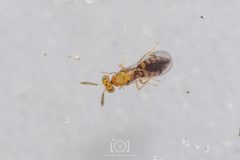
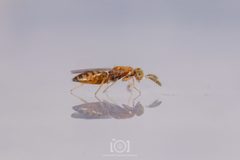
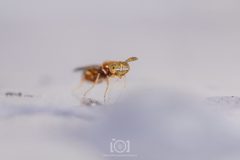
Pronunciation
How to pronounce Paraolinx: //ˌpærˌeɪ.əˈlɪŋks//
These audio files are automatically generated. While they are not always 100% accurate, they are a good starting point.
Images
Distribution
Minas Gerais, Brazil (based on GBIF occurrence records). The likely has a broader Neotropical distribution given the geographic patterns of related eulophine genera, but published records are sparse.
Host Associations
- Rhyacionia frustrana - Cited as a of the Nantucket pine tip moth in Maryland, USA (Harman 1972). This represents a documented record for the .
- Pyroderces rileyi - Listed among of the pink scavenger caterpillar on banana in Jamaica (Garraway et al. 2007).
Ecological Role
of other insects, contributing to natural of pest . The documented associations suggest of Lepidoptera, including tip (Tortricidae) and scavenger caterpillars (Cosmopterigidae).
Human Relevance
Potential agent for pest Lepidoptera. The association with Rhyacionia frustrana, a significant pest of pine, indicates possible utility in forestry pest management. Association with Pyroderces rileyi, a pest of banana, suggests relevance in agricultural contexts.
Similar Taxa
- CirrospilusBoth belong to the tribe Cirrospilini and share morphological features typical of eulophine . Cirrospilus is a larger, more -rich with similar associations; separation requires detailed examination of antennal segmentation, propodeal structure, and forewing venation patterns.
- ClosterocerusAnother cirrospiline with overlapping morphological characteristics. Distinguishing features involve details of the mesoscutal , scutellar setation, and male genitalia structure.
More Details
Phylogenetic placement
The was included in a cladistic analysis of the tribe Cirrospilini by Ubaidillah et al. (2003), which examined morphological characters to resolve relationships among eulophine genera. This study placed Paraolinx within a clade of genera characterized by reduced wing venation and specific antennal segment proportions.
Taxonomic history
Described by William Harris Ashmead in 1894, the has remained relatively obscure with few -level revisions. The type species and total number of described species require verification against modern taxonomic databases.
Data limitations
The is poorly represented in public databases, with only 17 observations in iNaturalist and sparse occurrence records in GBIF. Most biological information derives from records in applied entomology literature rather than dedicated taxonomic or ecological studies.