
Leptomastidea
Mercet, 1916
Species Guides
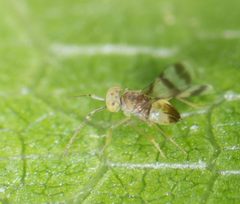
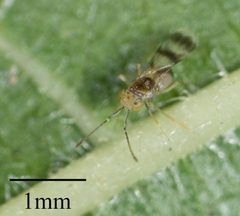
1Leptomastidea is a of in the Encyrtidae (Hymenoptera: Chalcidoidea), first described by Mercet in 1916. The genus contains approximately 24 described worldwide, with members distributed across the Nearctic, Neotropical, Palaearctic, and Oriental regions. Species are primary parasitoids of mealybugs (Hemiptera: Pseudococcidae), with some species also attacking eriococcids (Eriococcidae). Several species, particularly L. abnormis and L. dactylopii, have been widely used in classical and programs against citrus and . The genus is classified in the tribe Anagyrini based on morphological and molecular phylogenetic evidence.
Pronunciation
How to pronounce Leptomastidea: //ˌlɛp.toʊ.mæˈstɪi.dia//
These audio files are automatically generated. While they are not always 100% accurate, they are a good starting point.
Identification
Leptomastidea are small encyrtid , typically 1–2 mm in length. Diagnostic features include: with 6 segments (scape, , and 4 flagellomeres); forewings with reduced venation, lacking a closed marginal ; mid-tibial spur present; and a distinctively shaped with the ovipositor often visible externally in females. The is distinguished from the closely related Leptomastix by differences in antennal structure, wing venation, and male genitalia. Species-level identification requires examination of slide-mounted specimens, focusing on characters of the antennae, wings, and male genitalia.
Images
Habitat
Agricultural and natural where mealybug occur, including citrus groves, vineyards, orchards, and forests. are associated with host plants of their mealybug prey, which include citrus, grapevines, and various woody plants.
Distribution
Worldwide distribution with records from North America (California, Mexico), South America (Argentina), Europe, Asia (China, Japan, India), and Africa. Specific collection records include Baja California Sur, Mexico; California, USA; Xiqing District, Tianjin, China; and various localities in Argentina.
Diet
Primary of mealybugs (Pseudococcidae); some also attack eriococcids (Eriococcidae). do not feed; larvae develop internally within mealybugs.
Host Associations
- Planococcus citri - PARASITOID_OFCitrus mealybug; preferred of L. abnormis, third instar and stages attacked
- Pseudococcidae - PARASITOID_OF-level association for most Leptomastidea
- Eriococcidae - PARASITOID_OF for L. acanthococci and L. bifasciata
Life Cycle
Development is endoparasitic within mealybugs. Females deposit inside host individuals, and larvae consume host tissues before pupating within the host body. emerge from dead mealybug hosts. Specific developmental rates and times vary by and environmental conditions but are not well documented in available sources.
Behavior
Females exhibit examination involving external inspection and antennal contact before deciding to attack. Host size and quality influence oviposition decisions; females can discriminate and reject unsuitable hosts. Sex allocation is biased toward female production, with more males typically emerging from smaller or lower-quality hosts. L. abnormis shows preference for second-instar mealybugs, while L. dactylopii prefers third and fourth instars and .
Ecological Role
agents of economically significant mealybug pests. such as L. abnormis and L. dactylopii are important natural enemies that help regulate of citrus mealybug (Planococcus citri) and other pseudococcid pests in agricultural systems. Their role in natural is less documented but presumably involves regulation of native mealybug populations.
Human Relevance
Several are commercially important agents. L. abnormis and L. dactylopii have been used extensively in classical and programs against citrus mealybug in citrus groves and vineyards worldwide. L. abnormis is noted for its ability to coexist with L. dactylopii, potentially providing complementary pest suppression through differential stage preferences.
Similar Taxa
- LeptomastixClosely related in tribe Anagyrini; distinguished by antennal structure (Leptomastix has 5-segmented vs. 6 in Leptomastidea), wing venation patterns, and male genitalia . Leptomastix also tend to prefer later instars compared to some Leptomastidea species.
- AnagyrusCongeneric in tribe Anagyrini; distinguished by differences in wing venation, antennal structure, and associations (Anagyrus often attack different mealybug ). Molecular phylogenetic studies place Leptomastidea as sister to Anagyrus.
Sources and further reading
- BugGuide
- GBIF taxonomy match
- iNaturalist taxon
- NCBI Taxonomy
- Catalogue of Life
- leptomastidea_hypogeococci_triapitsyn_ht_ucrc_ent_311025_slide.jpg | Entomology Research Museum
- Encyrtid Holdings | Entomology Research Museum
- Primary Type List | Entomology Research Museum
- Publications | Entomology Research Museum
- Host selection and sex allocation in Leptomastidea abnormis, a parasitoid of the citrus mealybug Planococcus citri
- HYMENOPTERA: Description of the male of Leptomastidea debachi Trjapitzin and Ruíz Cancino from Baja California Sur, Mexico, with notes on L. abnormis (Girault) (Hymenoptera: Encyrtidae)
- The complete mitochondrial genome of Leptomastidea bifasciata (Hymenoptera: Chalcidoidea: Encyrtidae) and phylogenetic analysis.