
Tetracneminae
Howard, 1892
Genus Guides
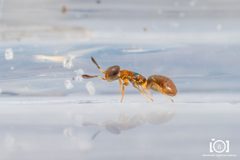
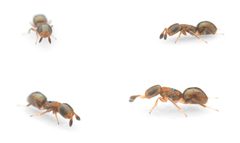
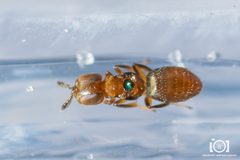
20Tetracneminae is a of chalcid wasps within the Encyrtidae, established by Howard in 1892. Members are , primarily attacking scale insects (Coccoidea) and other Hemiptera. The subfamily is distinguished by specific morphological features of the mesosoma and wing venation. Tetracnemines are significant in programs targeting agricultural and forestry pests.
Pronunciation
How to pronounce Tetracneminae: /ˌtɛtrəkˈnɛmini/
These audio files are automatically generated. While they are not always 100% accurate, they are a good starting point.
Identification
Tetracneminae can be distinguished from other Encyrtidae by the following features: mesosoma with a distinct prepectus visible laterally; forewing with a reduced , often appearing as a short stub; postmarginal usually absent or highly reduced; stigmal vein with a distinct stigma; and hind often enlarged or modified. The is further characterized by a generally compact body form and reduced wing venation compared to other encyrtid subfamilies.
Images
Host Associations
- Coccoidea - primary group, scale insects
- Hemiptera - broader range within true bugs
Ecological Role
As of scale insects and other Hemiptera, Tetracneminae plays a significant role in regulating of these plant-feeding insects. This makes them important natural enemies in agricultural and forest , particularly in contexts where scale insects reach pest status.
Human Relevance
Tetracneminae have been utilized in programs against scale insects. Their effectiveness in suppressing reduces reliance on chemical in systems.
Similar Taxa
- EncyrtinaeOther major of Encyrtidae; differs in wing venation (more complete ) and mesosomal structure (prepectus usually concealed or less distinct)
- CopidosominaeEncyrtid with different associations (often Lepidoptera or larvae) and typically different body proportions