
Blepyrus
Howard, 1898
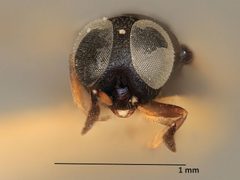
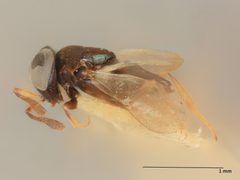
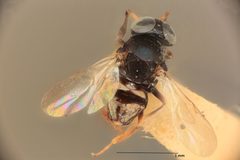
Blepyrus is a of in the Encyrtidae, Tetracneminae. within this genus are known agents that parasitize mealybugs (Pseudococcidae). The genus includes at least five described species: B. clavicornis, B. insularis, B. kirkpatricki, B. saccharicola, and B. schwarzi. These wasps have been studied for their potential in managing agricultural pests, particularly species attacking economically important mealybugs.
Pronunciation
How to pronounce Blepyrus: /ˈblɛpɪrəs/
These audio files are automatically generated. While they are not always 100% accurate, they are a good starting point.
Identification
Members of Blepyrus can be distinguished from other Tetracneminae by genitalic and antennal characteristics, though specific diagnostic features require examination of and detailed morphological analysis. The genus is placed in Tetracneminae based on structural features typical of this .
Images
Distribution
Distribution records indicate presence in Brazil (BR). have been documented from various regions including the Americas based on collection records and studies.
Host Associations
- Pseudococcus viburni (Signoret) - obscure mealybug; of B. clavicornis
- Ferrisia virgata - striped mealybug; of B. insularis
Ecological Role
agent. in this function as of mealybug pests, contributing to natural of these agricultural pests.
Human Relevance
Used in programs targeting mealybug pests. Blepyrus clavicornis has been studied for its potential to manage Pseudococcus viburni, and B. insularis has been evaluated for control of Ferrisia virgata. studies have examined impacts on these to integrate chemical and biological control methods.
Similar Taxa
- AenasiusBoth are encyrtid of mealybugs; distinguished by morphological features and range patterns
- AnagyrusAnother mealybug in Encyrtidae; Blepyrus differs in placement (Tetracneminae vs. Encyrtinae for many Anagyrus)
More Details
Species in genus
The UCR Encyrtidae collection lists five : Blepyrus clavicornis (Compere), B. insularis (Cameron), B. kirkpatricki (Kerrich), B. saccharicola Gahan, and B. schwarzi (Howard). These are represented in both pinned and slide collections.
Taxonomic history
The was established by Howard in 1898. Specimens in major collections have been identified by including Compere, Timberlake, and Triapitsyn.
Sources and further reading
- BugGuide
- GBIF taxonomy match
- iNaturalist taxon
- NCBI Taxonomy
- Catalogue of Life
- Encyrtid Holdings | Entomology Research Museum
- Biology of Blepyrus clavicornis (Compere) (Hymenoptera: Encyrtidae), a parasitoid of Pseudococcus viburni (Signoret) (Hemiptera: Pseudococcidae)
- Contact toxicity of different pesticides to the encyrtid parasitoids,Aenasius advenaandBlepyrus insularisof the striped mealybug,Ferrisia virgata