
Chrysoplatycerus
Ashmead, 1889
Species Guides
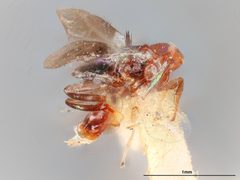
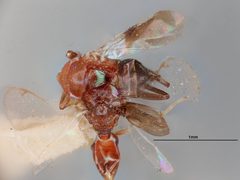
1Chrysoplatycerus is a of parasitic in the Encyrtidae, first described by Ashmead in 1889. The genus belongs to the Tetracneminae and contains that are , primarily associated with scale insects (Coccoidea). Based on museum records, the genus includes at least three described species: C. ferrisi, C. flavicollis, and C. splendens. These wasps are minute, typically under 2 mm in body length, with reduced wing venation characteristic of the family. The genus has been recorded from Hawaii, Cuba, and Panama, suggesting a distribution concentrated in tropical and subtropical regions.
Pronunciation
How to pronounce Chrysoplatycerus: //krɪˌsɒpləˈtɪsərəs//
These audio files are automatically generated. While they are not always 100% accurate, they are a good starting point.
Identification
Chrysoplatycerus can be distinguished from other Tetracneminae by the combination of: reduced forewing venation with distinct linea calva; antennal structure with specific flagellar segment proportions; and body proportions with relatively short propodeum. The genus is most similar to Neoplatycerus and Zaomma, but differs in details of antennal segmentation and wing venation. Specific identification requires examination of antennal segment proportions, wing venation details, and body coloration patterns. The three described (C. ferrisi, C. flavicollis, C. splendens) are distinguished primarily by coloration and subtle differences in antennal and wing characters.
Images
Habitat
Associated with where insect occur, including forests, orchards, and agricultural systems. Specific microhabitat requirements are tied to host scale insect distribution on vegetation.
Distribution
Recorded from Hawaii (USA), Cuba, and Panama. The disjunct distribution suggests possible wider occurrence in tropical and subtropical regions of the Americas and Pacific islands that remains undocumented.
Host Associations
- Coccoidea (scale insects) - primary associations inferred from -level ; specific host records for Chrysoplatycerus are sparse in published literature.
Ecological Role
As of scale insects, in this likely contribute to natural of insect in their native . Their role in regulation is probably localized due to their small size and -specificity.
Human Relevance
No direct documented economic importance. Potential value as agents of insect pests, though this has not been actively investigated or implemented.
Similar Taxa
- NeoplatycerusBoth in Tetracneminae with reduced wing venation; Neoplatycerus differs in antennal club structure and body proportions.
- ZaommaSimilar body form and wing venation; Zaomma differs in details of mesoscutellar and propodeal structure.
- TetracnemusRelated tetracnemine with reduced venation; Tetracnemus typically has more elongate body form and different antennal proportions.
More Details
Taxonomic History
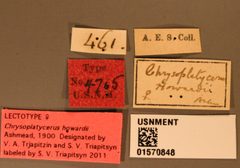
The was revised by Trjapitzin & Triapitsyn in 2011, who provided a key to and clarified the status of described . The type species is C. splendens (Howard, 1898), originally described in the genus Platycerus (preoccupied).
Museum Holdings
The University of California, Riverside Entomology Research Museum holds specimens of C. ferrisi, C. flavicollis, and C. splendens, representing important voucher material for the .