
Lachnini
Herrich-Schaeffer, 1854
Genus Guides
3- Longistigma(giant bark aphid)
- Maculolachnus
- Tuberolachnus(giant willow aphid)
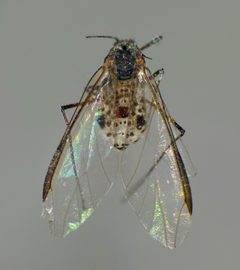
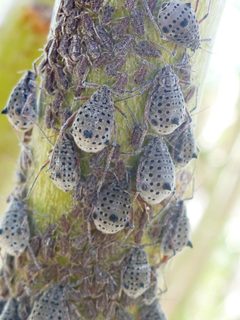
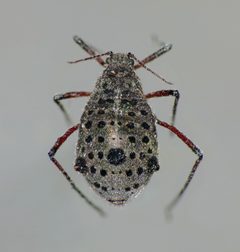
Lachnini is a tribe within the Lachninae, comprising relatively large-bodied aphids. Members feed on green and woody tissues of both coniferous and deciduous plants, with documented associations including Rosaceae, Salicaceae (Salix), and potentially Prunus. The tribe exhibits complex with high and environmental plasticity. Lachnini is one of five recognized tribes in Lachninae and has been subject to recent phylogenetic revision alongside related groups Tuberolachnini and Tramini.
Pronunciation
How to pronounce Lachnini: /ˈlæk.nɪˌnaɪ/
These audio files are automatically generated. While they are not always 100% accurate, they are a good starting point.
Identification
Lachnini aphids are notably large relative to most aphids. Distinguishing Lachnini from other Lachninae tribes (Tuberolachnini, Tramini, Stomaphidini, Eulachnini) requires examination of morphological characters including siphuncular structure, caudal , and antennal ; precise diagnostic features vary by . The tribe lacks the sclerotized abdominal characteristic of core Tuberolachnini genera (Nippolachnus, Pyrolachnus, Tuberolachnus).
Images
Habitat
Associated with green and woody parts of trees and shrubs, including both coniferous and deciduous . Colonizes above-ground plant tissues rather than roots.
Diet
Phloem-feeding on vascular plants; documented plant include Rosaceae and Salicaceae ( Salix).
Host Associations
- Rosaceae - plant-level association
- Salix - plant in Salicaceae
- Prunus - plantlisted in source keywords; explicit tribal confirmation not verified in available text
Life Cycle
Complex with high degree of and environmental plasticity. Specific developmental stages not documented in available sources.
Behavior
Forms numerous colonies. Exhibits high with environmentally plastic expression.
Similar Taxa
- TuberolachniniBoth are tribes in Lachninae; Lachnini lacks sclerotized abdominal present in core Tuberolachnini (Nippolachnus, Pyrolachnus, Tuberolachnus)
- MiyalachniniNewly erected tribe containing formerly misplaced in Tuberolachnini; phylogenetically distinct from Lachnini per molecular and morphological analyses