
Eulachnini
Baker, 1920
Genus Guides
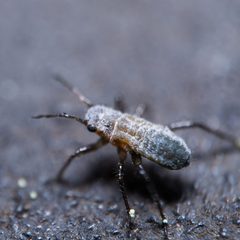
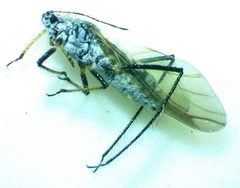
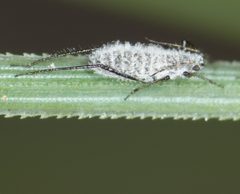
3Eulachnini is a tribe of aphids within the Lachninae, comprising approximately 27 documented in Lithuania alone. Members are specialized phloem-feeders on coniferous plants, particularly Pinaceae. Several species produce substantial honeydew, with five noted as promising honeydew producers in Lithuanian forests. Only Cinara piceae has been identified as a potential forest pest, with documented damage to firs in nursery settings.
Pronunciation
How to pronounce Eulachnini: /juːˈlæknɪnaɪ/
These audio files are automatically generated. While they are not always 100% accurate, they are a good starting point.
Identification
Distinguishable from other Lachninae tribes by conifer specialization and morphological features used in -level keys; molecular identification via partial COI sequences (652 ) has been employed to confirm -based identifications and reveal country-specific haplotypes.
Images
Habitat
Coniferous forests; occurs on coniferous plants including Picea abies and Pinus sylvestris.
Distribution
Documented across Europe with detailed surveys in Lithuania (2004–2017); genetic comparisons indicate most Lithuanian represent unique COI haplotypes not previously detected in other countries including Czech Republic and Northern Caucasus region.
Diet
Host Associations
- Picea abies - plantCommon for multiple Eulachnini in Lithuania
- Pinus sylvestris - plantCommon for multiple Eulachnini in Lithuania
- Abies - plantCinara piceae reported as pest of firs in nurseries
Behavior
Honeydew production by five ; potential for localized buildup in nursery settings.
Ecological Role
Honeydew producers supporting forest ; Cinara piceae may function as a forest pest in specific contexts.
Human Relevance
Five identified as promising honeydew producers with potential apicultural value; Cinara piceae identified as potential forest pest requiring monitoring in nursery settings.
Similar Taxa
- Other Lachninae tribesEulachnini distinguished by conifer specialization; other tribes within Lachninae typically associated with broadleaf hosts or different .
More Details
Genetic diversity
Most Lithuanian represented COI haplotypes not previously detected in other countries, suggesting potential regional genetic differentiation.
Forest pest status
Although five Eulachnini appear in Lithuanian forest pest identification keys, none were of particular importance at time of study; only Cinara piceae warrants monitoring based on documented nursery damage elsewhere.