
Calaphis flava
Mordvilko, 1928
Yellow Dark-veined Birch Aphid
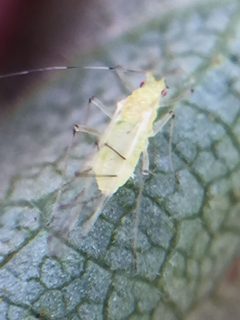
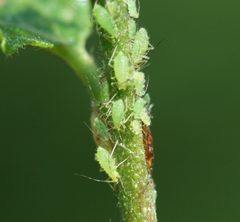
Calaphis flava is a of in the Aphididae, first described by Mordvilko in 1928. It is commonly known as the Yellow Dark-veined Birch Aphid. The species has been recorded in parts of Europe including Belgium, Denmark, Norway, and the Azores (São Miguel). As a member of the Calaphis, it is associated with birch (Betula) plants, though specific host records for this species are limited in the available sources.

Pronunciation
How to pronounce Calaphis flava: /ˈkæl.ə.fɪs ˈfleɪ.və/
These audio files are automatically generated. While they are not always 100% accurate, they are a good starting point.
Identification
Distinguished from other Calaphis by its yellow coloration combined with dark wing venation. Other Calaphis species may differ in body color or wing pattern. The 'Yellow Dark-veined Birch ' reflects these diagnostic features. Identification to species level requires examination of wing venation and body coloration.
Images
Habitat
Associated with birch (Betula) . Found in regions where birch trees occur, including temperate and environments.
Distribution
Recorded from Belgium (including Flemish Region), Denmark, Norway, and São Miguel in the Azores (Portugal).
Diet
Phloem feeder on birch (Betula) , based on -level association. Specific host plant records for this species are not documented in available sources.
Host Associations
- Betula - plant-level association; specific records for C. flava not documented
Ecological Role
Herbivore; phloem feeder that may influence birch tree physiology through sap extraction. May serve as prey for and in .
Human Relevance
Minor potential as a pest of ornamental or timber birch trees, though specific economic impact is not documented. Primarily of ecological interest.
Similar Taxa
More Details
Taxonomic history
Described by Russian entomologist A.K. Mordvilko in 1928. The Calaphis belongs to the Calaphidinae, a group of aphids primarily associated with birch and alder trees.
Observation records
iNaturalist records indicate 22 observations of this , suggesting it is documented but not frequently encountered by citizen scientists.