
Calaphis
Walsh, 1862
Dark-veined Birch Aphids
Species Guides
5- Calaphis betulaecolens(Common American Birch Aphid)
- Calaphis betulella(Streaked River Birch Aphid)
- Calaphis flava(Yellow Dark-veined Birch Aphid)
- Calaphis leonardi
- Calaphis neobetulella(Blotched River Birch Aphid)
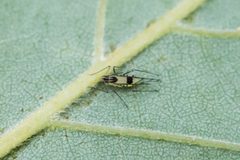
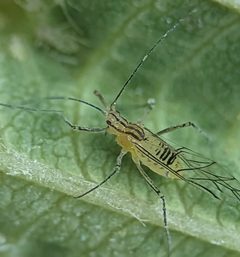
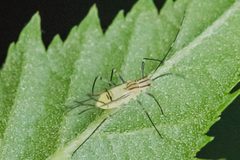
Calaphis is a of aphids in the Aphididae, established by Benjamin Dann Walsh in 1862. Members are commonly known as Dark-veined Birch Aphids. The genus occurs in Eurasia and North America, with associated primarily with birch (Betula) . At least three species are recognized, including C. betulicola, C. flava, and C. manitobensis.
Pronunciation
How to pronounce Calaphis: /ˈkæləfɪs/
These audio files are automatically generated. While they are not always 100% accurate, they are a good starting point.
Identification
Members of Calaphis can be distinguished from other by dark pigmentation along wing , a trait reflected in their . Specific -level identification requires examination of morphological characters such as , siphunculi, and cauda structure.
Images
Habitat
in this are found in where their plants occur, including swamp birch stands and other birch-dominated environments. Calaphis manitobensis has been collected specifically on Betula pumila in Manitoba.
Distribution
Eurasia and North America. Specific records include Denmark, Norway, Sweden, and Manitoba (Canada).
Diet
Phloem-feeding on birch (Betula ). Calaphis manitobensis is known only from Betula pumila (swamp or low birch).
Host Associations
- Betula pumila - primary Only known for C. manitobensis; collected in Manitoba
Similar Taxa
- Other Calaphidinae generaSimilar and birch association; distinguished by wing venation patterns and specific antennal and siphuncular characters
More Details
Taxonomic note
GBIF lists the authority as Walsh, 1863, while Wikipedia and other sources cite 1862. The Catalogue of Life indicates this is treated as a synonym in some contexts, though GBIF and NCBI recognize it as accepted.