
Calaphis neobetulella
Quednau, 1971
Blotched River Birch Aphid
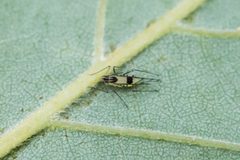
Calaphis neobetulella is an described by Quednau in 1971, commonly known as the Blotched River Birch Aphid. It belongs to the Calaphis within the Calaphidinae. The species has been documented in very few iNaturalist observations, suggesting it may be uncommon, geographically restricted, or under-recorded. As a member of the Aphididae, it is a sap-feeding insect likely associated with birch plants.
Pronunciation
How to pronounce Calaphis neobetulella: /kəˈlæfɪs ˌniːoʊbɛtjulˈɛlə/
These audio files are automatically generated. While they are not always 100% accurate, they are a good starting point.
Identification
Distinguished from other Calaphis by specific morphological features established in the original description by Quednau (1971). The specific epithet "neobetulella" suggests a relationship to birch (Betula), potentially indicating association or morphological similarity to related species. Positive identification requires examination of microscopic characters such as siphunculi, cauda, and antennal .
Images
Distribution
Distribution data is sparse; the has been recorded in at least 9 iNaturalist observations, though specific localities are not detailed in available sources. The Calaphis has a Holarctic distribution, suggesting potential occurrence in northern temperate regions.
Host Associations
- Betula - probable plantInferred from specific epithet "neobetulella" and -level association with birch; requires confirmation
Similar Taxa
- Calaphis betulicolaCongeneric also associated with birch; morphological differentiation requires detailed examination of diagnostic features
- Calaphis flavaAnother birch-associated Calaphis ; separation depends on subtle differences in body coloration and siphuncular
More Details
Taxonomic note
The was described by German Friedrich Quednau in 1971. Quednau authored numerous aphid species descriptions, particularly within Calaphidinae. The limited observation data suggests this species may be genuinely rare, locally , or difficult to detect due to cryptic habits or seasonal occurrence patterns.
Data gaps
No peer-reviewed studies, records, or detailed morphological redescriptions were located in major databases. The appears absent from comprehensive faunas of North America and Europe, suggesting either restricted range or recent taxonomic recognition.