
Phytomyza nepetae
Hendel, 1922
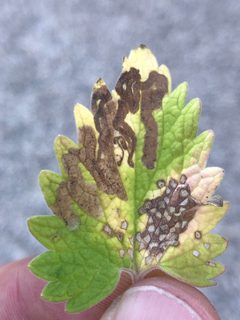
Phytomyza nepetae is a of leaf-mining fly in the Agromyzidae, described by Hendel in 1922. As a member of the Phytomyza, it shares the characteristic of internal leaf-feeding larvae that create distinctive mines within plant foliage. The specific epithet 'nepetae' suggests an association with Nepeta (catmint) species, though detailed host records are limited. Distribution records indicate presence in the northeastern United States, including Vermont.
Pronunciation
How to pronounce Phytomyza nepetae: /faɪtoʊˈmaɪzə nɛˈpiːtiː/
These audio files are automatically generated. While they are not always 100% accurate, they are a good starting point.
Images
Distribution
Recorded from Vermont, United States. GBIF indicates distribution records in the US with specific mention of Vermont.
Host Associations
- Nepeta - probable plantSpecific epithet suggests association, but explicit records not confirmed in provided sources
Similar Taxa
- Phytomyza ilicicolaBoth are leaf-mining flies in Phytomyza, but P. ilicicola is specifically associated with Ilex (holly) and has been extensively documented, whereas P. nepetae appears to be associated with Nepeta based on name etymology
- Other Phytomyza speciesMany Phytomyza create similar serpentine leaf mines; species-level identification requires examination of and association
More Details
Taxonomic note
The specific epithet 'nepetae' derives from Nepeta, a of flowering plants in the mint (Lamiaceae), commonly known as catnip or catmint. This naming convention strongly suggests the is associated with these plants, though the provided sources do not confirm explicit records. The species should not be confused with Phytomyza ilicicola, the native holly leafminer, which is frequently discussed in popular entomology literature but is a distinct species with different host associations.
Data limitations
Most detailed biological information in the provided sources pertains to Phytomyza ilicicola rather than P. nepetae. Direct observations and studies of P. nepetae appear sparse in the accessible literature.
Sources and further reading
- BugGuide
- GBIF taxonomy match
- iNaturalist taxon
- NCBI Taxonomy
- Catalogue of Life
- The Holly and Ivy - A two part series: This week the holly and the native holly leaf miner, Phytomyza ilicicola — Bug of the Week
- Deck the halls with boughs of holly…and the Native holly leafminer, 'Phytomyza ilicicola', and Holly berry midge, 'Asphondylia ilicicola' — Bug of the Week
- Holly surprise: Native holly leafminer, Phytomyza ilicicola — Bug of the Week
- Holiday miners - Native holly leafminer, Phytomyza ilicicola — Bug of the Week
- Deck the halls with boughs of holly - and maybe some leaves with the native holly leafminer, Phytomyza ilicicola — Bug of the Week
- The Holly and Ivy: A two part series - This week the holly and holly leaf miner - Phytomyza ilicicola — Bug of the Week