
Phytomyzinae
leaf-miner flies
Genus Guides
11- Amauromyza
- Aulagromyza
- Calycomyza
- Cerodontha
- Haplopeodes
- Liriomyza(Liriomyza leaf-mining flies)
- Nemorimyza
- Phytobia
- Phytoliriomyza
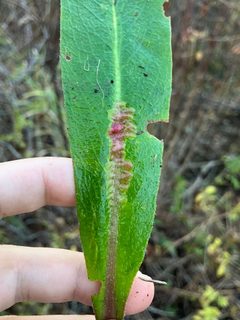
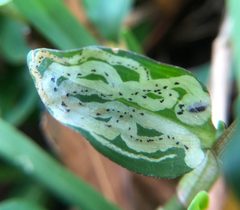
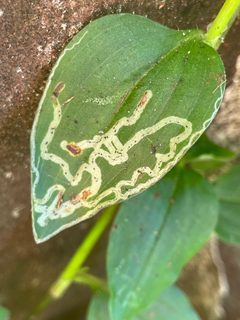
Phytomyzinae is a of leaf-mining flies within the Agromyzidae, comprising at least 520 described . The larvae of these flies are internal feeders that create distinctive mines within plant leaves. They serve as for various , including braconids and chalcidids. The subfamily includes economically significant such as Liriomyza and Phytomyza.
Pronunciation
How to pronounce Phytomyzinae: //ˌfaɪtoʊˈmaɪzaɪniː//
These audio files are automatically generated. While they are not always 100% accurate, they are a good starting point.
Identification
Phytomyzinae is distinguished from other Agromyzidae by genitalic and larval morphological characters; flies are small, typically 1–4 mm, with reduced wing venation characteristic of the . -level identification requires examination of male genitalia and larval feeding patterns on specific plants.
Images
Habitat
Associated with terrestrial vegetation where larval plants occur; specific microhabitat determined by host plant distribution.
Distribution
distribution; present on all continents except Antarctica. is highest in temperate and tropical regions with diverse flora.
Life Cycle
Holometabolous; larvae are endophagous leaf miners that feed between leaf epidermal layers. occurs within the leaf mine or in soil. Developmental timing varies by and climate.
Behavior
Larvae construct serpentine or blotch mines in leaves; feeding patterns often -specific and diagnostic. are short-lived and primarily involved in and location.
Ecological Role
Leaf miners that create distinctive feeding damage; serve as for including Dacnusa (Braconidae), Eulophus, and Chrysocharis (Chalcididae). Mining activity may influence leaf physiology and plant- interactions.
Human Relevance
Several are agricultural pests, notably Liriomyza trifolii (vegetable ) and L. sativae, which damage crops including tomatoes, beans, and ornamentals. Some species are used as agents against weeds.
Similar Taxa
- AgromyzinaeOther of Agromyzidae; distinguished by differences in larval cephalopharyngeal skeleton structure and genitalic . Phytomyzinae typically has more complex male terminalia.