
Phytomyza ilicicola
Loew, 1872
native holly leafminer, American Holly Leafminer
Phytomyza ilicicola is a leaf-mining fly whose larvae create distinctive serpentine trails within the leaves of American holly (Ilex opaca). are small black flies resembling houseflies that emerge in early spring, timed precisely with the appearance of tender new holly leaves. The is notable for its intimate ecological relationship with its plant, including the holly's defensive response of prematurely dropping heavily infested leaves.
Pronunciation
How to pronounce Phytomyza ilicicola: /faɪtoʊˈmaɪzə ɪˌlɪsɪˈkoʊlə/
These audio files are automatically generated. While they are not always 100% accurate, they are a good starting point.
Identification
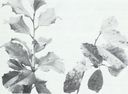
Larvae produce characteristic sinuous, snakelike galleries (leaf mines) visible on the upper surface of holly leaves, appearing as pale trails against dark green foliage. Mines end with a tiny exit hole cut by the larva before . flies are small (approximately housefly-sized), black, and possess a sharp ovipositor used to pierce leaf surfaces. Feeding punctures from adult females may cause leaf curling or puckering.
Images
Habitat
Found exclusively in association with American holly (Ilex opaca) and inkberry (Ilex glabra) in forest and suburban environments. discriminate among plants based on host quality and factors, with documented movement among habitats and host trees.
Distribution
Eastern North America, associated with the native range of American holly (Ilex opaca).
Seasonality
emerge in early spring, coinciding with holly leaf flush. Larvae feed through winter and early spring on warm days, pupate in spring, and complete development as new adults emerge to coincide with the next of tender leaves.
Diet
Larvae feed on nutritious within developing leaves of American holly, creating internal galleries. feed on sap exuded from feeding punctures they create with their ovipositors on leaf surfaces.
Host Associations
- Ilex opaca - primary American holly; larvae mine developing leaves, feed and oviposit
- Ilex glabra - secondary inkberry; documented as additional
- Opius striatriventris - ; rates similar across distances indicating comparable vagility to Phytomyza
Life Cycle
deposited into soft tissue beneath leaf surface via ovipositor. Larvae hatch and mine through leaf mesophyll, creating expanding serpentine galleries with each . Larvae overwinter, with intermittent feeding on warm winter days. Before , larva cuts small window in leaf as escape hatch. Pupa forms within leaf mine. precisely timed to spring leaf flush; delayed emergence results in inability to oviposit due to leaf toughening.
Behavior
exhibit selective discrimination based on plant and factors. Females use ovipositor for both -laying and creating feeding punctures to access sap. Adults are sufficiently vagile to move among habitats and encounter multiple host trees, though oviposition success decreases with distance from source . No evidence that resource concentration (grouped vs. isolated trees) affects adult movement patterns.
Ecological Role
herbivore tightly coevolved with Ilex . Subject to top-down control by and by plant defense (premature leaf abscission). Serves as food source for parasitoids and potentially other natural enemies.
Human Relevance
Considered a minor pest of ornamental American holly in landscapes; leaf mining damage is primarily aesthetic. Often noticed during holiday season when holly branches are brought indoors. Misconception that leaf holes result from spine contact between leaves has been corrected by research documenting fly feeding damage.
Similar Taxa
- Asphondylia ilicicolaholly berry midge; also occurs on American holly but infests berries rather than leaves, causing them to remain green instead of turning red
- other Phytomyza speciesmany create serpentine leaf mines, but P. ilicicola is distinguished by specificity to Ilex and timing of with spring holly leaf flush
Misconceptions
Small holes in holly leaves were once attributed to contact between sharp leaf spines, but research has demonstrated these are feeding punctures created by female P. ilicicola using their ovipositors to access sap.
Sources and further reading
- BugGuide
- Wikipedia
- GBIF taxonomy match
- iNaturalist taxon
- NCBI Taxonomy
- Catalogue of Life
- The Holly and Ivy - A two part series: This week the holly and the native holly leaf miner, Phytomyza ilicicola — Bug of the Week
- Deck the halls with boughs of holly…and the Native holly leafminer, 'Phytomyza ilicicola', and Holly berry midge, 'Asphondylia ilicicola' — Bug of the Week
- Holly surprise: Native holly leafminer, Phytomyza ilicicola — Bug of the Week
- Holiday miners - Native holly leafminer, Phytomyza ilicicola — Bug of the Week
- Deck the halls with boughs of holly - and maybe some leaves with the native holly leafminer, Phytomyza ilicicola — Bug of the Week
- Archive — Bug of the Week
- New Host Record for Phytomyza ilicicola (Diptera: Agromyzidae) and an Associated Wing-Vein Abnormality1
- Adult movement of the native holly leafminer, Phytomyza ilicicola Loew (Diptera: Agromyzidae): consequences for host choice within and between habitats