
Leskiini
Genus Guides
8Leskiini is a tribe of tachinid flies (Diptera: Tachinidae) comprising approximately 55 distributed worldwide. Members are endoparasitoids of arthropods, with larvae developing inside organisms. of at least some visit flowers and contribute to pollination. The tribe includes both widespread genera such as Leskia and Solieria, and numerous regional endemics.
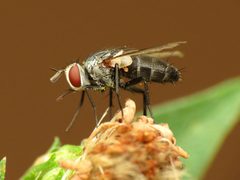
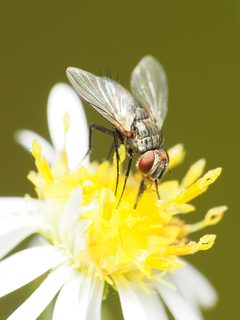
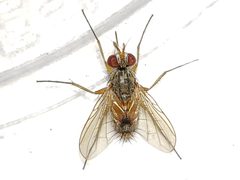
Pronunciation
How to pronounce Leskiini: /lɛsˈkaɪɪˌniː/
These audio files are automatically generated. While they are not always 100% accurate, they are a good starting point.
Identification
Leskiini are distinguished from other tachinid tribes primarily through combinations of bristle patterns, wing venation, and male terminalia. Diagnostic features include specific arrangements of postsutural dorsocentral bristles and modifications of the male . Generic-level identification relies on characters such as separation in males, presence or absence of facial carinae, and abdominal microsculpture.
Images
Habitat
vary by and . Documented occurrences include halophilic coastal vegetation with Suaeda vera thickets, chamaephytic on saline disturbed littoral, exposed windy and grazed soils with dwarf vegetation, and nitrophilous shrublands. Some species occupy forested and agricultural environments.
Distribution
distribution with recorded from the Palaearctic (including North Africa, Europe, Russia, Transcaucasia, Kazakhstan, Mongolia), Nearctic, Neotropical, Afrotropical, Oriental, and Australasian regions. Specific island records include the Galápagos (Galapagosia) and the Canary Islands (Aphria latifrons on Fuerteventura and Lanzarote).
Host Associations
- Pyralidae - endoparasitoidProbable association inferred from hosts of congeneric ; not directly confirmed for all Leskiini members
Life Cycle
Holometabolous. Larvae are endoparasitoids that develop within . Specific developmental stages and duration vary by and are not well documented for most .
Behavior
of some are anthophilous, observed visiting flowers of multiple plant species including Caroxylon vermiculatum, Zygophyllum fontanesii, Senecio leucanthemifolius, Asteriscus intermedius, Traganum moquinii, and Glebionis coronaria.
Ecological Role
agents through of . contribute to pollination of flowering plants in occupied .
Human Relevance
Potential utility in of pest insects. No documented direct negative impacts on humans.
Similar Taxa
- TachininiOverlapping morphological features in bristle patterns; distinguished by male terminalia structure and larval preferences
- ErnestiiniSimilar body plan and bristle arrangements; separated by specific wing venation details and abdominal station patterns
More Details
Generic diversity
The tribe contains approximately 55 , ranging from island endemics (Galapagosia) to widespread, -rich genera (Leskia, Solieria, Aphria). Several genera were established by Townsend in the early 20th century based on subtle morphological distinctions.
Taxonomic history
The tribe was established by Robineau-Desvoidy and has undergone repeated revision. Many described by Townsend (1914-1941) remain valid but are difficult to distinguish without examination of male genitalia.