
Winthemiini
Genus Guides
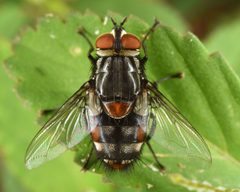
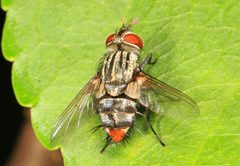
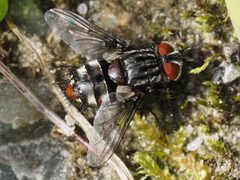
3Winthemiini is a tribe of tachinid flies ( Tachinidae, Exoristinae). The tribe comprises approximately 11 , including the type genus Winthemia and the widespread genus Nemorilla. Members are flies, though specific associations remain incompletely documented for many . The tribe has a global distribution with records spanning multiple continents.
Pronunciation
How to pronounce Winthemiini: /wɪnˈtɛ.mi.aɪnaɪ/
These audio files are automatically generated. While they are not always 100% accurate, they are a good starting point.
Identification
Winthemiini can be distinguished from other Tachinidae tribes by combinations of characters including facial and thoracic bristle patterns, though precise diagnostic features require examination of male genitalia. The type Winthemia is characterized by a distinctive abdominal pattern of dark markings on a gray background. Separation from related tribes in Exoristinae (such as Eryciini or Blondeliini) depends on subtle differences in postpronotal bristle arrangement and male terminalia structure.
Images
Distribution
Ecological Role
Members of Winthemiini function as , primarily attacking Lepidoptera larvae. The Winthemia includes that parasitize Noctuidae and other . Nemorilla species have been reared from Pyralidae and other lepidopteran . Their role in natural of herbivorous caterpillar contributes to regulation of plant-feeding insect .
Human Relevance
Some Winthemia have been investigated for potential against agricultural pests, particularly noctuid larvae. Winthemia quadripustulata has been studied as a candidate for . The tribe's members are occasionally referenced in contexts due to their association with decomposing organic matter through carcasses.
Similar Taxa
- EryciiniBoth tribes belong to Exoristinae and share general tachinid ; Eryciini typically have more robust body forms and different bristle patterns on the hind .
- BlondeliiniOverlaps in use (Lepidoptera ); Blondeliini generally possess more extensively developed facial carinae and different abdominal fusion patterns in males.