Winthemia quadripustulata
(Fabricius, 1794)
Red-Tailed Tachina
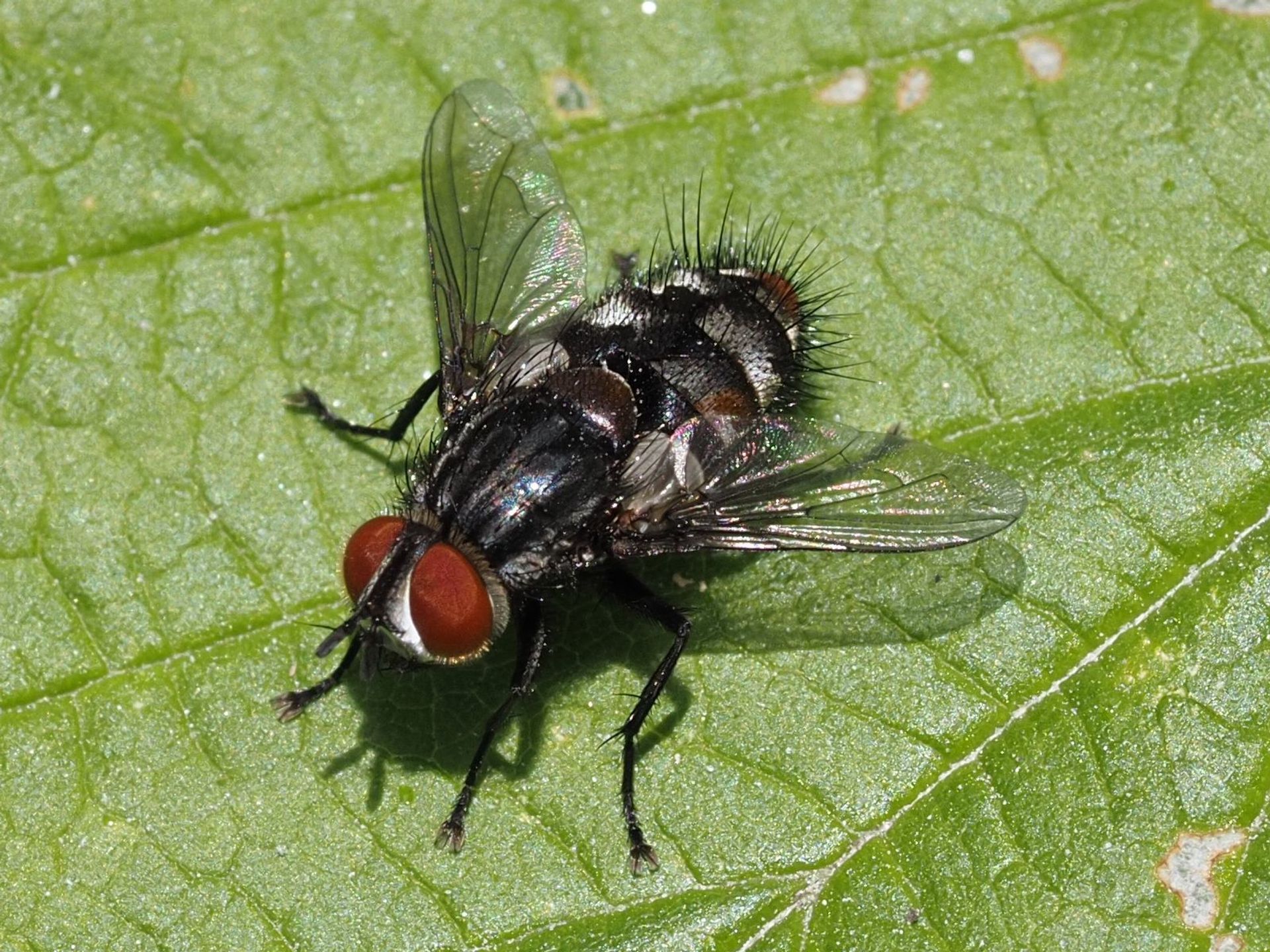
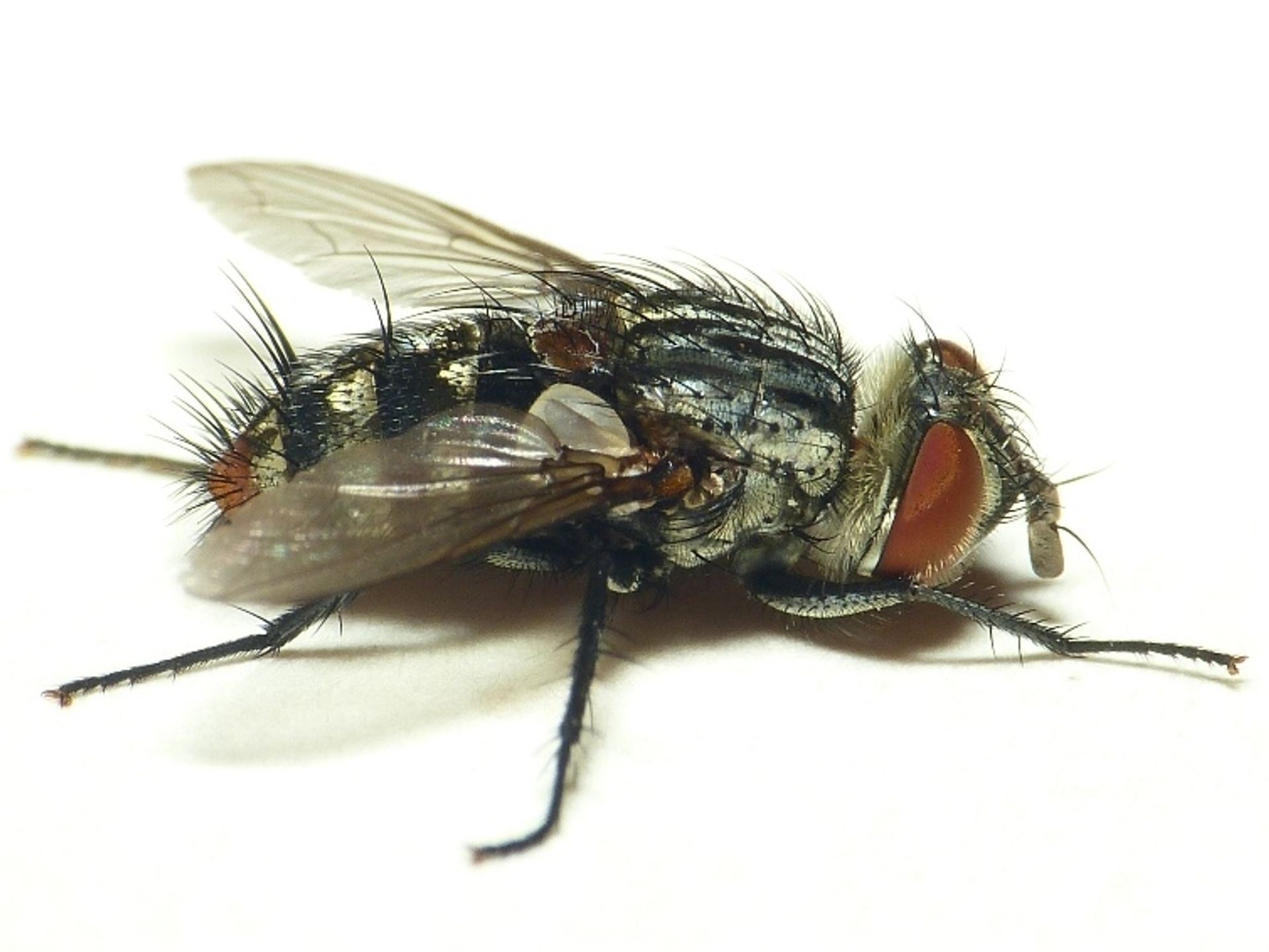
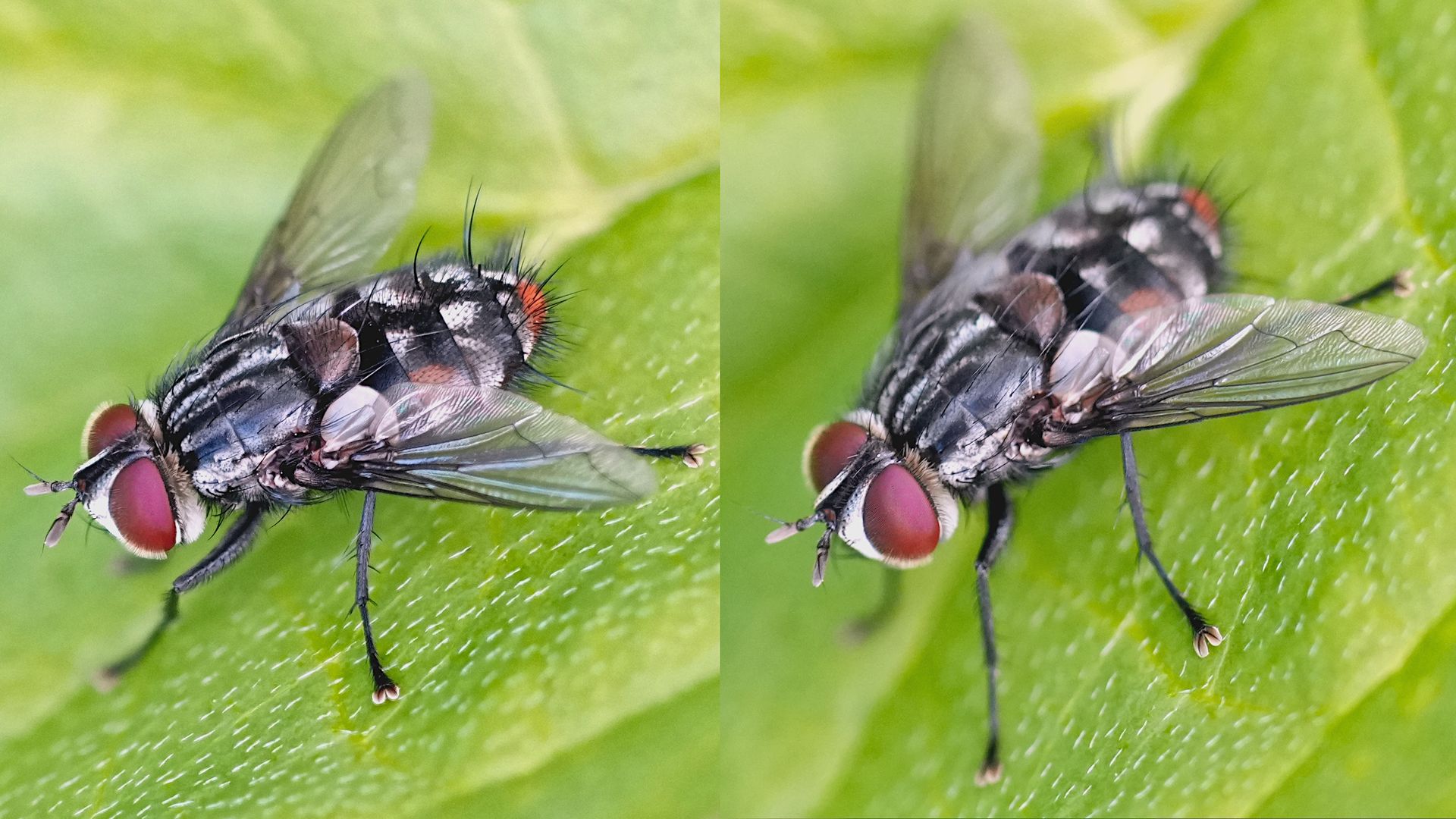
Winthemia quadripustulata is a of tachinid fly ( Tachinidae) native to North America and parts of Europe. As a , it has been documented as an internal of caterpillars, specifically including larvae of the White-lined Sphinx (Hyles lineata). The species is one of several Winthemia flies known to attack sphingid caterpillars.
Pronunciation
How to pronounce Winthemia quadripustulata: /wɪnˈθɛmiə ˌkwɒdrɪpʌsˈtʃʊleɪtə/
These audio files are automatically generated. While they are not always 100% accurate, they are a good starting point.
Identification
can be distinguished from similar tachinid flies by examination of specific morphological features, though detailed field identification characters are not well documented in available sources. The Winthemia belongs to the tachinid tribe Winthemiini, characterized by specific bristle patterns and body proportions typical of this group.
Images
Distribution
Recorded from North America (United States, Canada), and parts of Europe including Denmark, Norway, and Sweden. GBIF records indicate presence in these regions.
Diet
Larval stage is parasitic; has been documented as an internal of caterpillars, specifically the larvae of the White-lined Sphinx (Hyles lineata). The fly presumably feeds on nectar and other liquid sources typical of tachinid flies, though specific adult diet is not documented.
Host Associations
- Hyles lineata - ofInternal of caterpillars
Behavior
Females deposit on or near caterpillars; larvae penetrate host and develop internally, eventually killing the host. This is typical tachinid , though specific behavioral details for this are not well documented.
Ecological Role
Acts as a agent by parasitizing caterpillar , potentially helping regulate populations including the White-lined Sphinx moth.
Similar Taxa
- Belvosia spp.Other tachinid also documented as of Hyles lineata caterpillars
- Drino spp.Other tachinid also documented as of Hyles lineata caterpillars
- Compsilura spp.Other tachinid also documented as of Hyles lineata caterpillars