
Blondeliini
Genus Guides
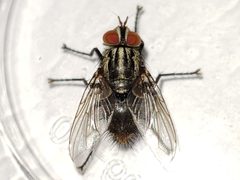
21Blondeliini is a tribe of parasitic flies within the Tachinidae (Diptera). Members are of other insects, with documented including beetles and caterpillars. The tribe exhibits greatest diversity in the New World, particularly South America, though it occurs nearly worldwide. Several possess a piercing-type ovipositor, a morphological feature with phylogenetic significance within the tribe.
Pronunciation
How to pronounce Blondeliini: //blɔnˈdɛ.li.iː.naɪ//
These audio files are automatically generated. While they are not always 100% accurate, they are a good starting point.
Identification
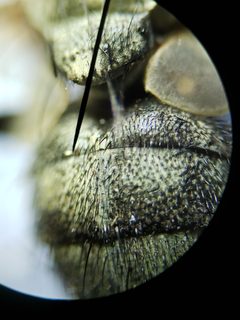
Females of some can be distinguished by postabdominal characters, including invaginations on tergite 6 and sternite 6. The presence of a piercing-type ovipositor occurs in multiple genera including Medinodexia, though structural differences exist across the tribe. Specific identification requires examination of female postabdominal .
Images
Distribution
Nearly ; greatest diversity in the New World, especially South America. Recorded from Korea, Japan, and other regions.
Host Associations
- Aulacophora nigripennis - leaf beetle (Coleoptera: Chrysomelidae), of Medinodexia japonica
- Coleoptera - documented for tribe
- Lepidoptera larvae - caterpillar documented for tribe
Ecological Role
of insects, primarily beetles (Coleoptera) and caterpillars (Lepidoptera). Contributes to of herbivorous insect .
Human Relevance
Potential agents for agricultural and forestry pests due to lifestyle.
Similar Taxa
- Other Tachinidae tribesBlondeliini distinguished by combination of postabdominal characters in females and piercing-type ovipositor in multiple ; phylogenetic relationships based on female tergite 6 and sternite 6 invaginations separate it from related lineages such as Medina
More Details
Phylogenetic significance
Female postabdominal characters, particularly invaginations on tergite 6 and sternite 6, have been examined for phylogenetic implications within Blondeliini. Medinodexia females share these structures with Medina, indicating close relationship. Some previously assigned to Medinodexia (M. exigua, M. orientalis) are now recognized as belonging to an undescribed based on differences in male and female postabdominal characters.
Sources and further reading
- BugGuide
- Wikipedia
- iNaturalist taxon
- NCBI Taxonomy
- Catalogue of Life
- Lixophaga Townsend (Diptera: Tachinidae: Blondeliini), a newly recorded parasitoid taxon in Korea
- A new species of Medinodexia Townsend (Diptera: Tachinidae) from Japan, with a discussion on phylogenetic implications of the female postabdomen in Blondeliini
- On taxonomy and hosts ofLeptostylumMacquart, 1851 (Diptera: Tachinidae: Blondeliini), with description of a new species and a new host record