
Eusattus
J.L. LeConte, 1851
sand darkling beetle
Species Guides
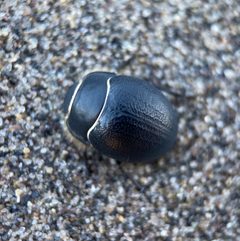
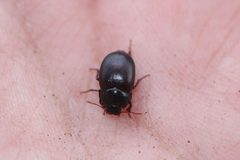
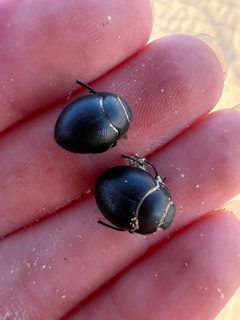
12Eusattus is a of darkling beetles in the Tenebrionidae, established by J.L. LeConte in 1851. within this genus are associated with sandy in western North America. The genus is represented by at least one well-documented species, Eusattus reticulatus, which has been observed in juniper-oak-pinyon woodland on sandstone escarpments.
Pronunciation
How to pronounce Eusattus: /juːˈsætəs/
These audio files are automatically generated. While they are not always 100% accurate, they are a good starting point.
Images
Habitat
Sandy substrates in arid and semi-arid environments, including juniper-oak-pinyon woodland on sandstone escarpments and sand dune margins.
Distribution
Western North America, with documented occurrences in New Mexico, Oklahoma, and Kansas.
Seasonality
activity has been observed in September.
Similar Taxa
- EleodesBoth are darkling beetles (Tenebrionidae) often found in similar arid ; Eusattus are generally smaller and associated with sandier substrates than the typically larger Eleodes.
- EmbaphionBoth occur in sand dune and are active at night; Eusattus lacks the explanate (flattened and expanded) body form characteristic of Embaphion.
- PhilolithusBoth are tenebrionids found in western arid on exposed ground; Eusattus is associated with looser sandy substrates while Philolithus tends toward firmer clay or limestone soils.