
Eusattus dilatatus
LeConte, 1851
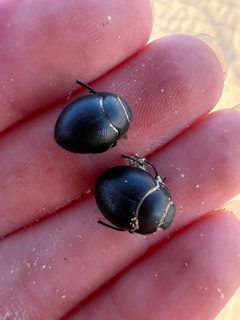
Eusattus dilatatus is a darkling beetle in the Tenebrionidae, described by LeConte in 1851. The Eusattus comprises sand-dwelling darkling beetles found in arid regions of western North America. This species, like , is adapted to sandy and exhibits morphological specializations for burrowing in loose substrates. Available records indicate occurrence in Mexico, though detailed biological information remains limited.
Pronunciation
How to pronounce Eusattus dilatatus: //juːˈsætəs ˌdɪləˈteɪtəs//
These audio files are automatically generated. While they are not always 100% accurate, they are a good starting point.
Images
Habitat
Sandy substrates in arid and semi-arid environments. The Eusattus is specialized for psammophilic (sand-dwelling) , with typically inhabiting dunes, sandy washes, and loose soil deposits in desert and grassland regions.
Distribution
Mexico (recorded in GBIF distribution records). The broader Eusattus occurs in western North American arid lands.
More Details
Taxonomic note
The Eusattus is placed in the tribe Eusattini within Tenebrioninae. in this genus are distinguished by their (burrowing) adaptations and association with sandy .
Data limitations
The iNaturalist platform records 22 observations for this , but no Wikipedia summary is available. Published biological studies on E. dilatatus specifically appear sparse in accessible literature.