Philolithus
Lacordaire, 1858
Species Guides
7Philolithus is a of darkling beetles in the Tenebrionidae, containing approximately seven described . The genus is native to North America, with species distributed across the southwestern United States and adjacent regions. Members are typically encountered in arid and semi-arid , including sand dunes, saltbush shrubland, and juniper-oak-pinyon woodland. One species, Philolithus aeger, has been observed in sand dune habitats at the interface with saltbush shrubland.
Pronunciation
How to pronounce Philolithus: /fɪˈloʊlɪθəs/
These audio files are automatically generated. While they are not always 100% accurate, they are a good starting point.
Identification
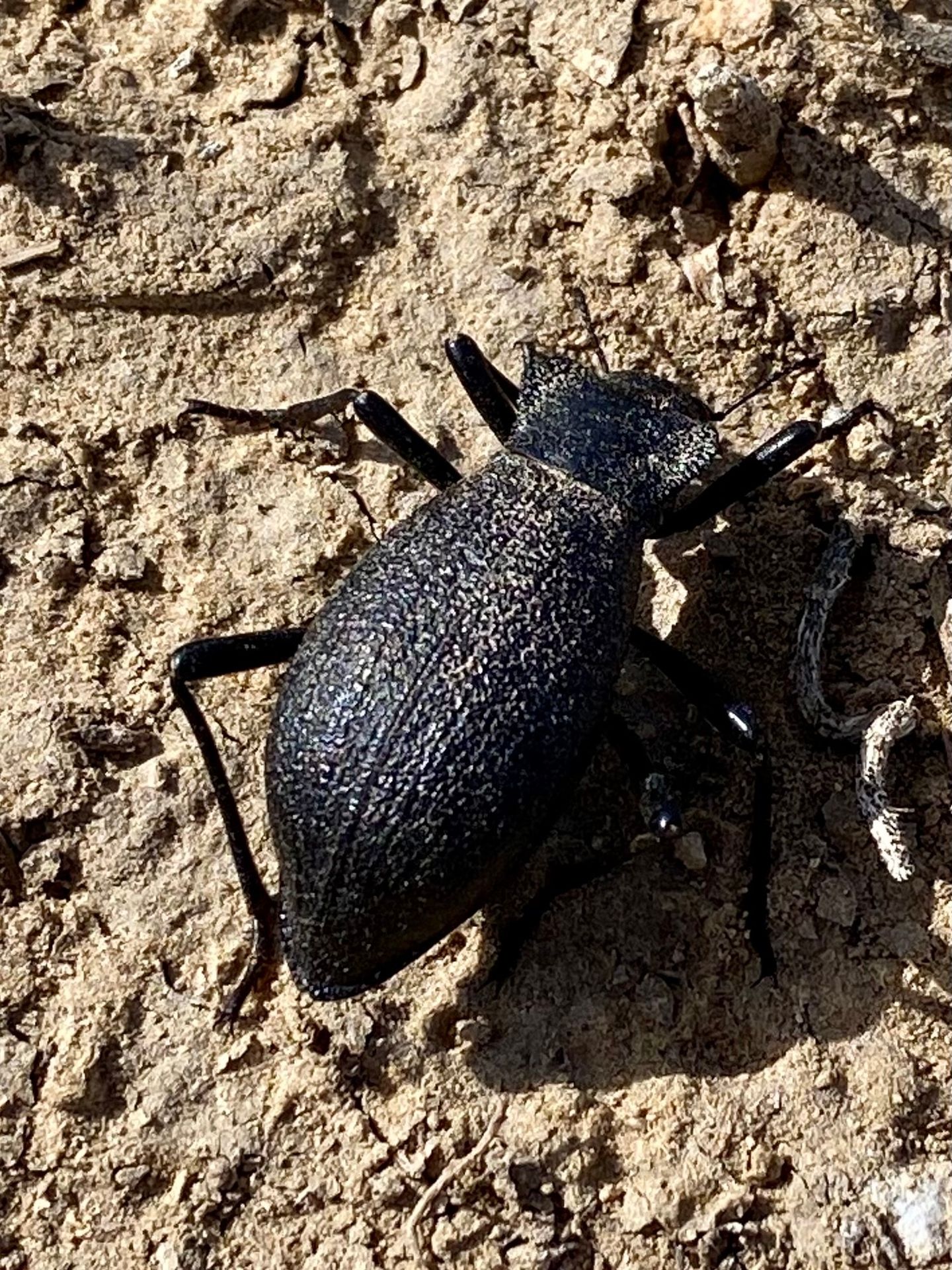
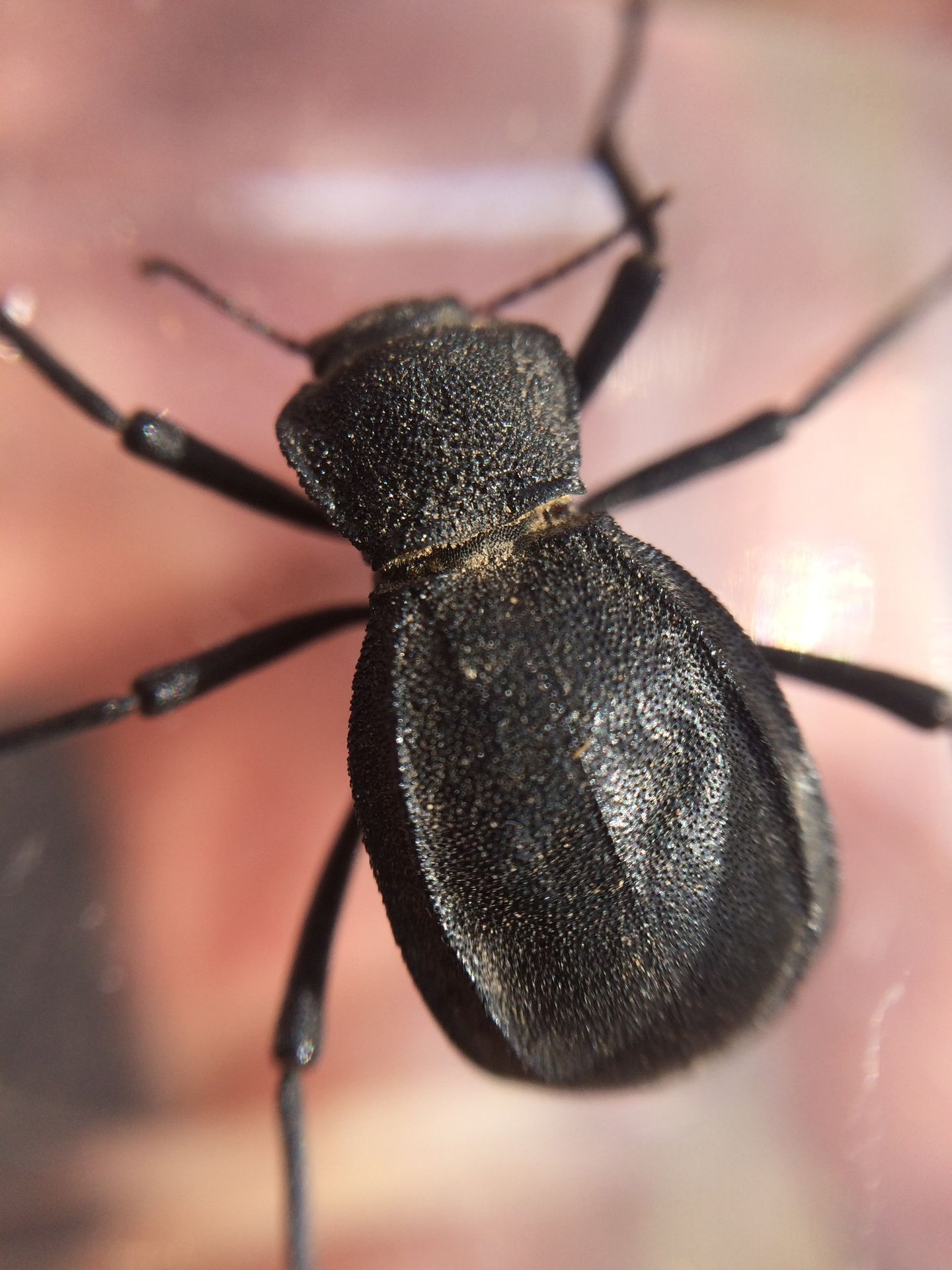
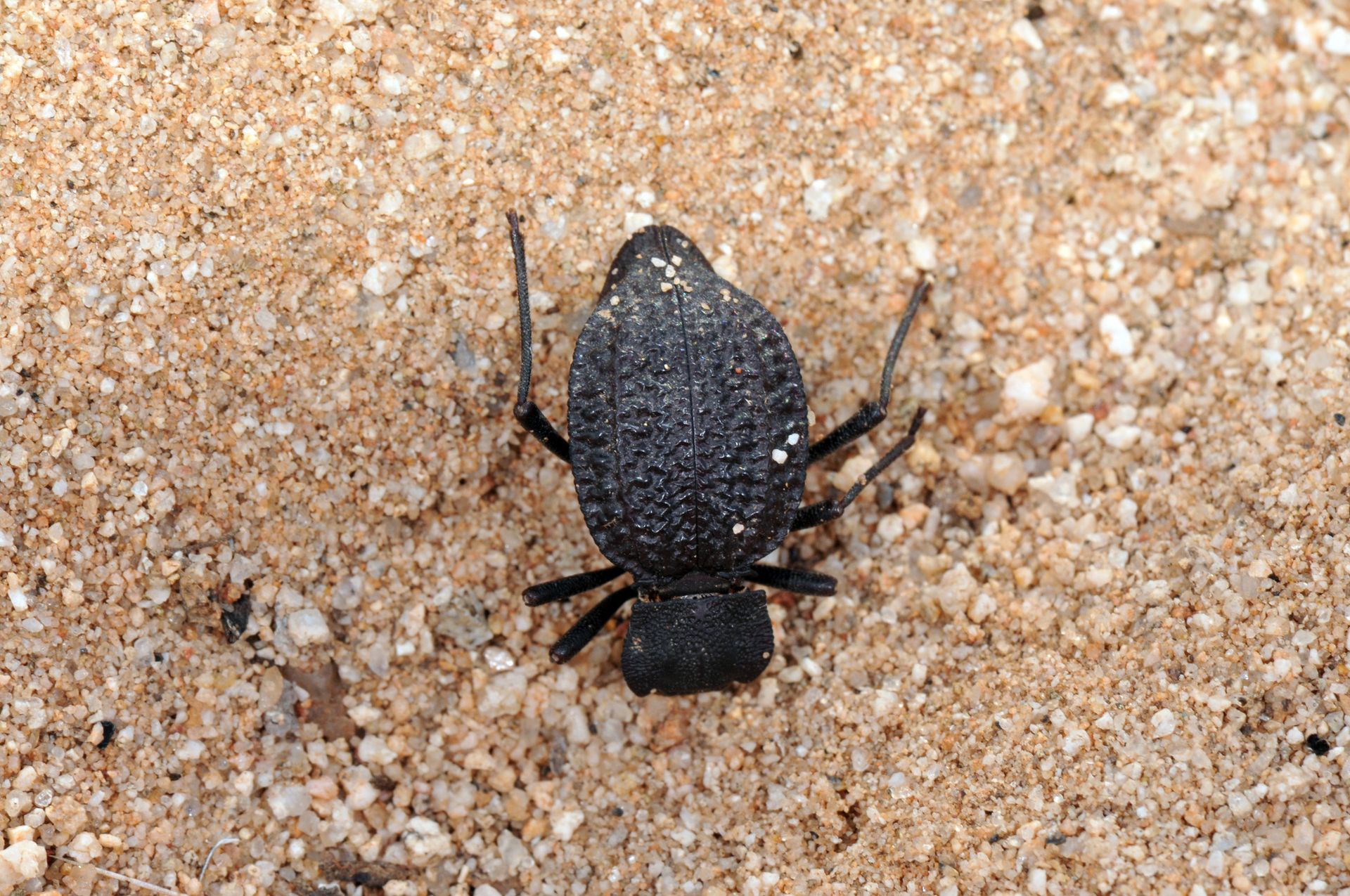
Philolithus are recognized as members of the darkling beetle Tenebrionidae. The can be distinguished from superficially similar Eleodes by body form and preferences. Philolithus aeger has been described as "tank-like" in general appearance, suggesting a robust, somewhat flattened body form adapted for ground-dwelling in sandy environments. Specific diagnostic features for the genus and its constituent species require examination of morphological characters not detailed in available sources.
Images
Habitat
in this occupy arid and semi-arid environments. Philolithus aeger has been documented in white sand dune at the interface with saltbush shrubland, as well as on limestone/clay 2-tracks in juniper-oak-pinyon woodland. The genus appears associated with sandy or loose substrates characteristic of desert and grassland in the southwestern United States.
Distribution
The Philolithus occurs in North America, with documented records from the southwestern United States including New Mexico, Oklahoma, Kansas, and adjacent regions. Specific localities include sand dunes at "Point of Sands" in Otero County, New Mexico, and limestone/clay in Eddy County, New Mexico. The full geographic range of the genus extends across the southern Great Plains and Chihuahuan Desert regions.
Seasonality
activity has been observed in September, suggesting late summer to fall . The timing aligns with typical patterns for darkling beetles in arid southwestern , where activity is often tied to post-monsoon conditions and moderating temperatures.
Behavior
Philolithus aeger has been observed crawling on open ground including white sand and clay 2-tracks, consistent with ground-foraging typical of many Tenebrionidae. No specific behavioral details such as burrowing, , or defensive displays are documented in available sources.
Ecological Role
As a ground-dwelling darkling beetle , Philolithus likely contributes to nutrient cycling and soil dynamics in arid . Members of Tenebrionidae are generally or omnivores, though specific ecological functions for Philolithus remain undocumented.
Human Relevance
No direct economic or medical significance is documented. The is of interest to entomologists and naturalists studying the fauna of southwestern North American arid lands. Specimens are occasionally encountered during general insect collecting in appropriate .
Similar Taxa
- EleodesBoth are large, robust darkling beetles (Tenebrionidae) found in similar arid . Eleodes are often more elongate and possess well-developed defensive glands that produce quinone compounds, whereas Philolithus appears more compact or "tank-like" in form. Eleodes is far more species-rich and frequently encountered, making it the most likely confusion in the field.
- EusattusAnother of sand-dwelling darkling beetles in Tenebrionidae that occupies similar sandy in the southwestern United States. Eusattus are specifically adapted to psammophilic (sand-loving) environments and may co-occur with Philolithus in dune systems, though they are generally smaller and more streamlined.
- StenomorphaA highly diverse of darkling beetles that includes with robust, ground-dwelling forms found in similar Chihuahuan Desert and grassland . Some Stenomorpha species share the "tank-like" appearance attributed to Philolithus aeger, requiring careful examination for proper identification.
More Details
Species diversity
The contains approximately seven described : Philolithus actuosus (Horn, 1870), Philolithus aeger, Philolithus densicollis (Horn, 1894), Philolithus elatus, Philolithus morbillosus (LeConte, 1858), Philolithus opimus, and Philolithus sordidus. The original descriptions for several species (aeger, elatus, opimus, sordidus) lack dates in available sources, suggesting they may require taxonomic revision or modern redescription.
Field recognition
Based on the single field observation of Philolithus aeger, the may be recognized in appropriate (sand dunes, arid grasslands, juniper woodland) by its robust, somewhat flattened body form and ground-crawling . However, definitive identification to genus or level requires collection and examination of morphological characters, as visual identification in the field is complicated by similarity to other large tenebrionid genera.