Philolithus sordidus
Classification
- Phylum: Arthropoda
- Subphylum: Hexapoda
- Class: Insecta
- Order: Coleoptera
- Suborder: Polyphaga
- Superfamily: Tenebrionoidea
- Family: Tenebrionidae
- Subfamily: Pimeliinae
- Tribe: Asidini
- Genus: Philolithus
- Species: sordidus
Pronunciation
How to pronounce Philolithus sordidus: /fɪˈlɒlɪθəs ˈsɔrdɪdəs/
These audio files are automatically generated. While they are not always 100% accurate, they are a good starting point.
Images
Summary
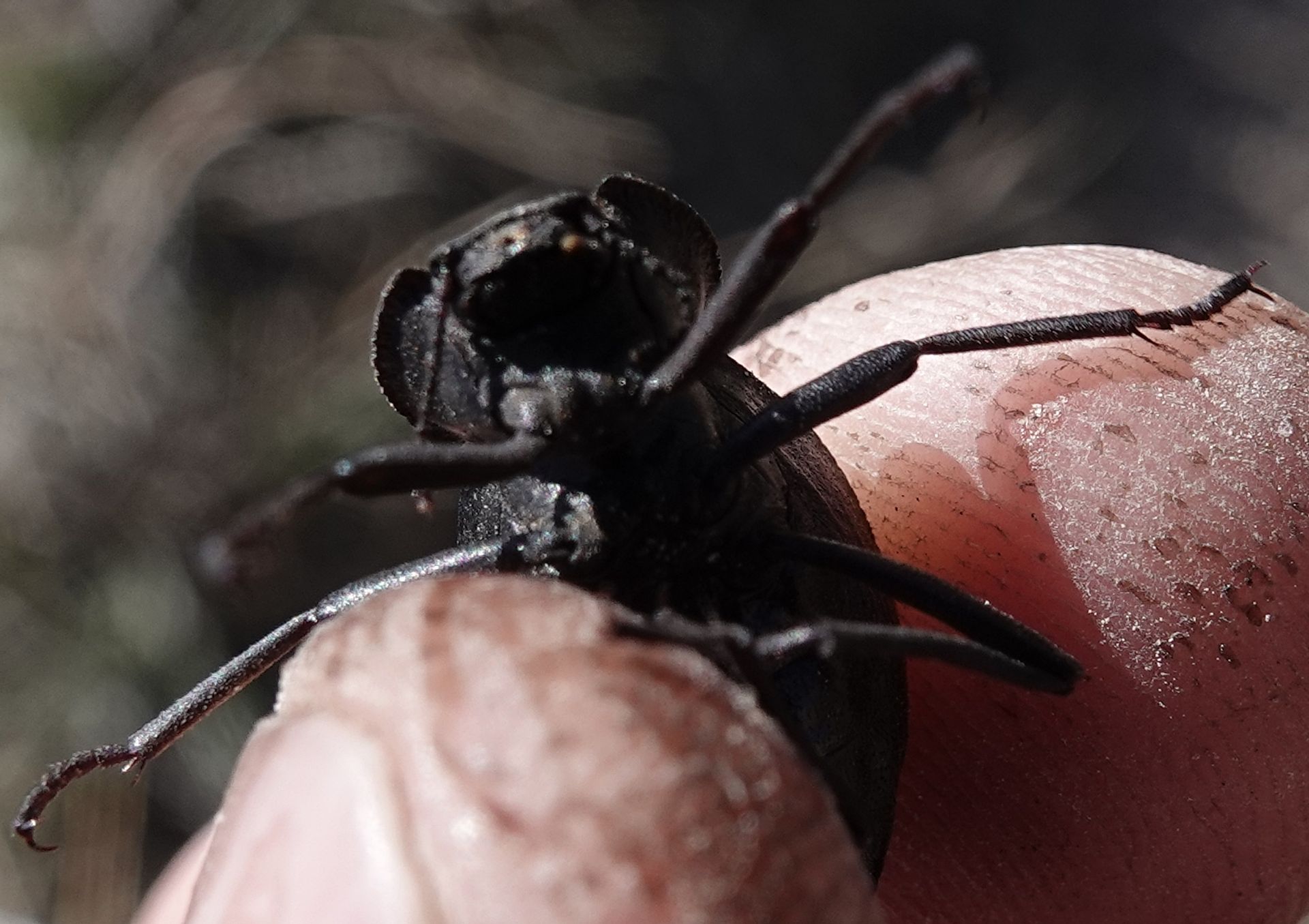
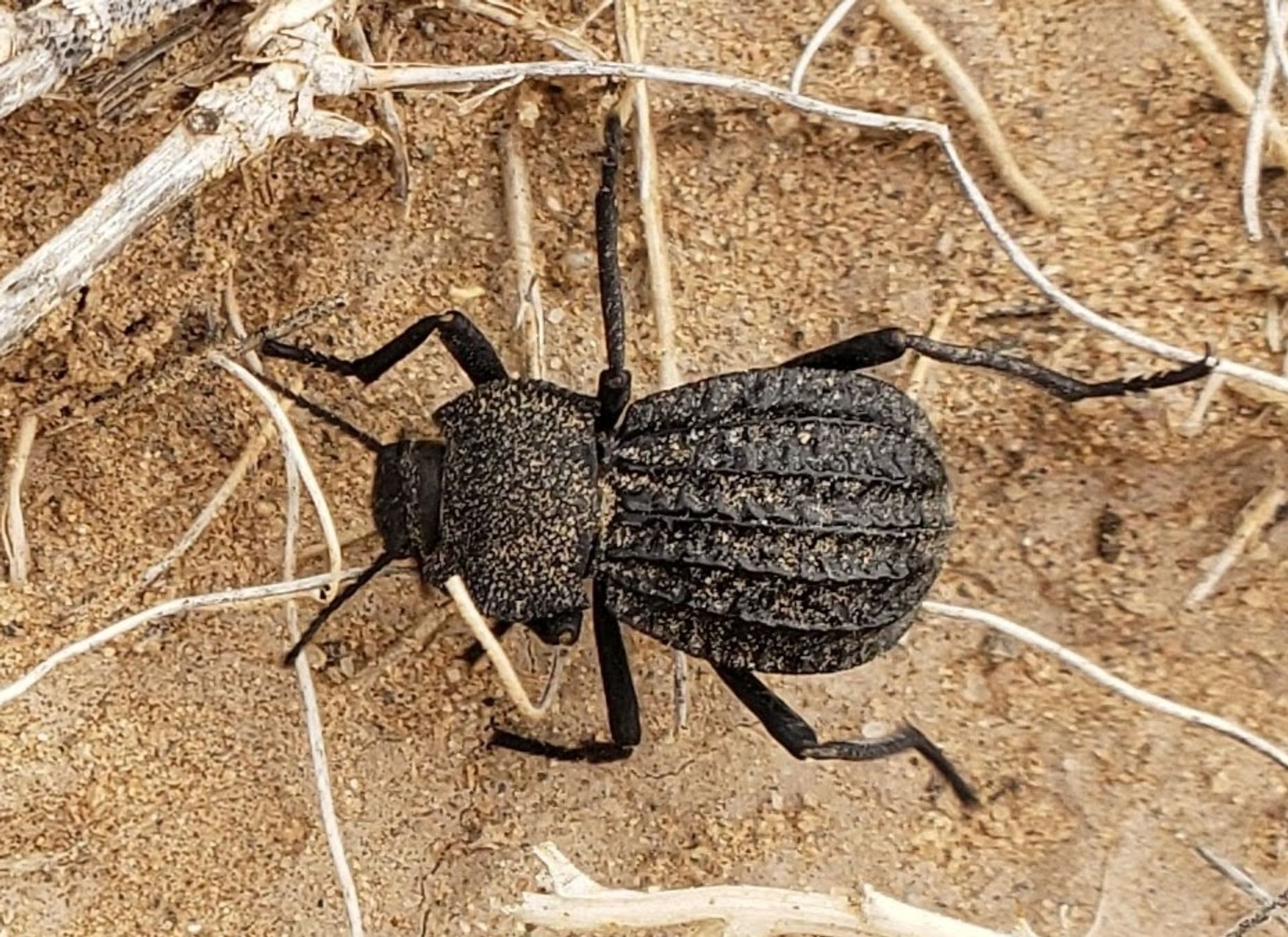
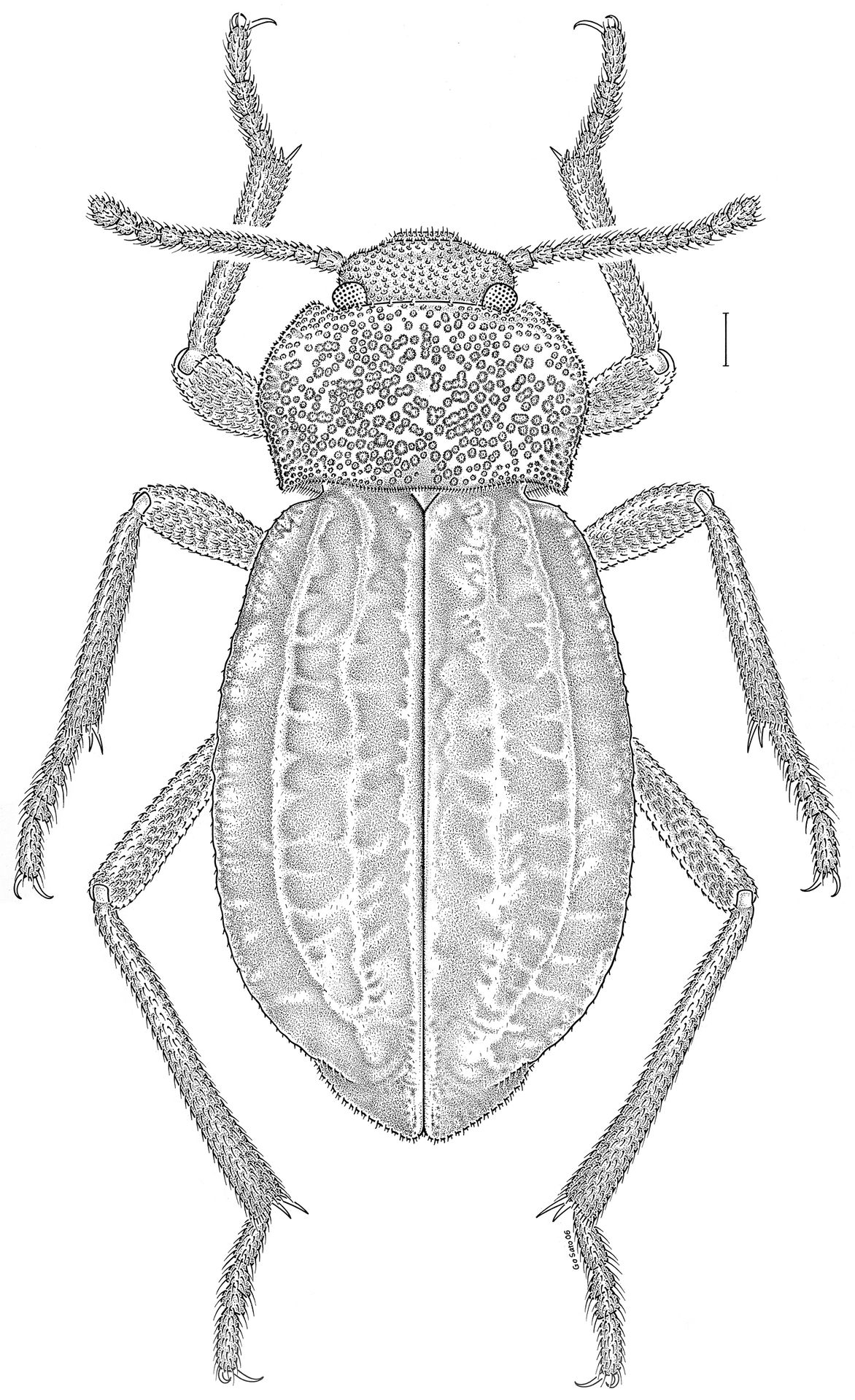
Philolithus sordidus is a species of darkling beetle in the family Tenebrionidae, characterized by its distinctive elytral ridges and coarse punctured pronotum. It is found in sandy soils of western North America and is part of a genus that includes about seven described species.
Physical Characteristics
Elytral ridges clearly elevated; pronotum with very coarse and closely spaced punctures.
Identification Tips
Distinguished by the pronounced elytral ridges and the character of the pronotum punctures.
Habitat
Desert and semi-desert regions; often found in sandy soils.
Distribution
Western North America, specifically southeastern Alberta to North Dakota and southward to Arizona and western Texas; also found in northwestern Mexico.
Diet
Primarily detritivorous; feeds on decaying organic matter.
Life Cycle
Information about specific life cycle stages is not provided.
Reproduction
Information about reproduction specifics is not provided.
Predators
Information about natural predators is not provided.
Conservation Status
Not listed; further information needed to determine specific conservation status.
Ecosystem Role
Plays a role in the breakdown of organic matter in their ecosystems.
Economic Impact
No significant economic impact noted; primarily ecological importance.
Collecting Methods
- Hand collection in suitable habitat
- Pitfall traps
Preservation Methods
- Ethanol preservation
- Pinned specimens
Evolution
Part of the Tenebrionidae family known for evolutionary adaptations to arid environments.
Similar Taxa
Misconceptions
May be confused with other darkling beetles; identification requires attention to specific morphological features.
Tags
- beetle
- darkling beetle
- Philolithus
- entomology
- Tenebrionidae