Philolithus morbillosus

Classification

Pronunciation

How to pronounce Philolithus morbillosus: //ˌfaɪloʊˈlɪθəs mɔrˈbɪloʊsəs//

These audio files are automatically generated. While they are not always 100% accurate, they are a good starting point.

Summary

Philolithus morbillosus is a species of darkling beetle well adapted to its arid environment, contributing to the ecosystem as a detritivore and playing a role in the breakdown and recycling of organic material.

Physical Characteristics

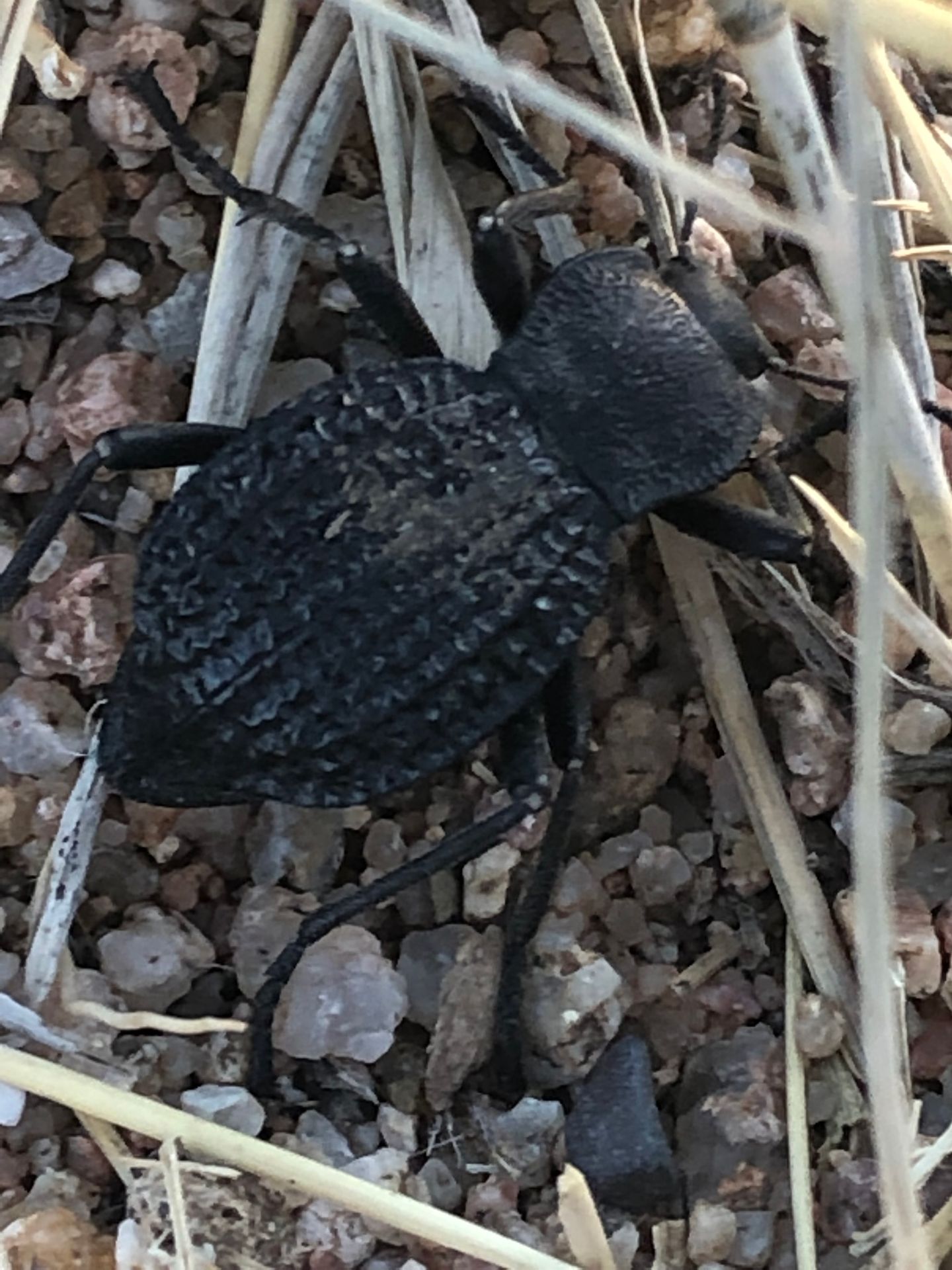
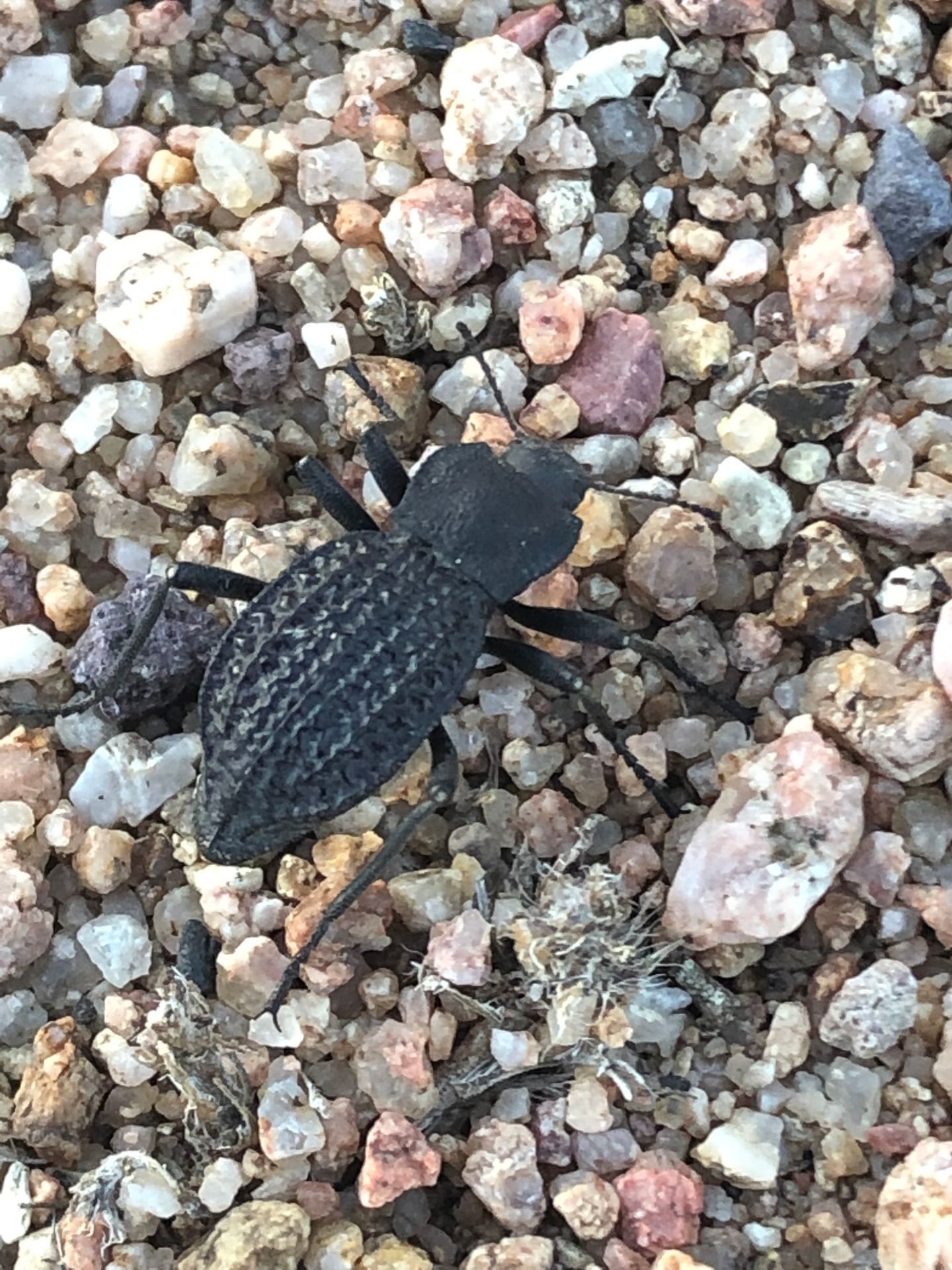
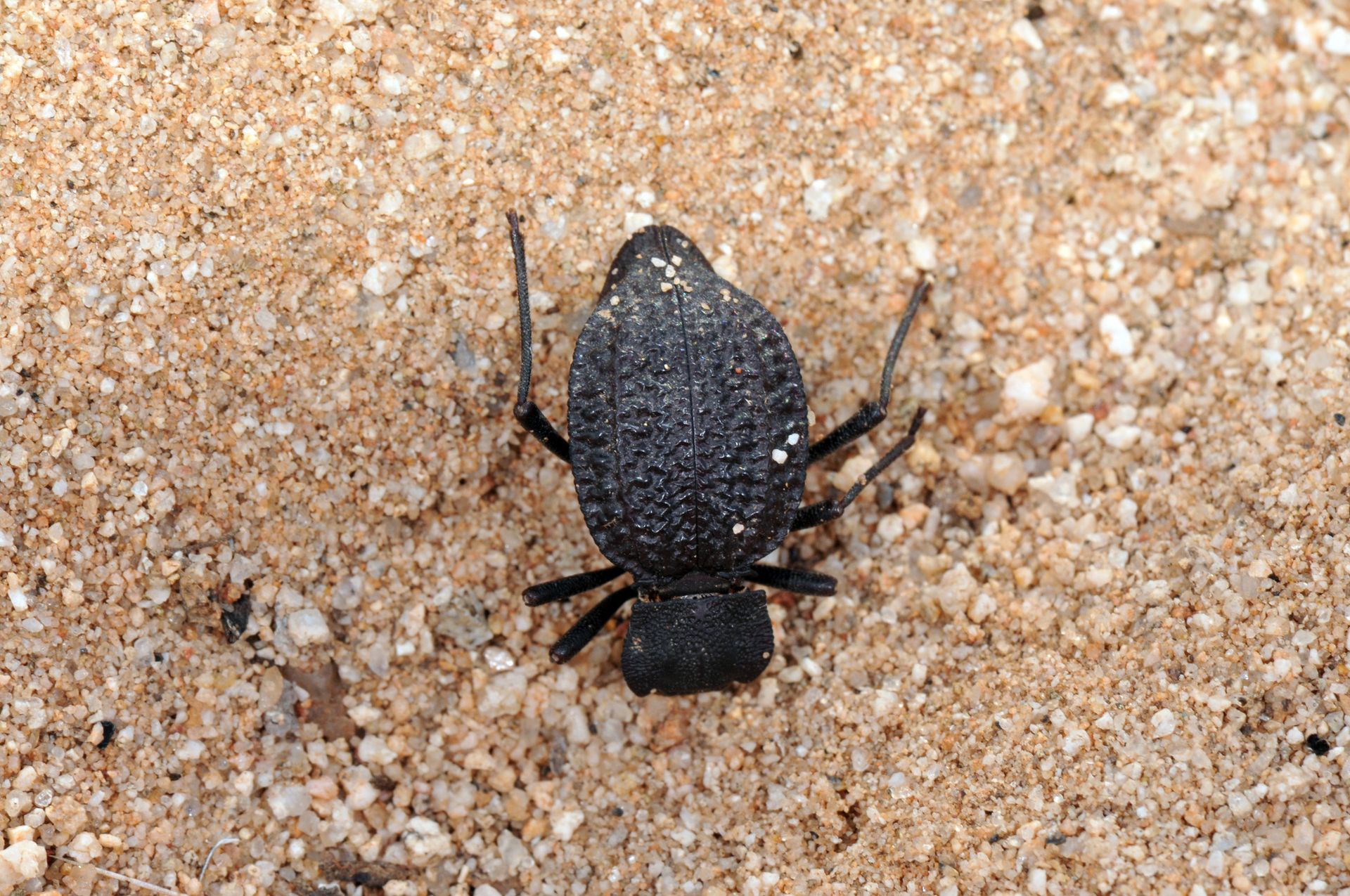
Philolithus morbillosus are darkling beetles characterized by their dark coloration and robust bodies. They typically exhibit a hardened elytra with a polished appearance common to many in the Tenebrionidae family.

Identification Tips

Identification can be confirmed through examination of their body size, the texture of the elytra, and specific morphological features related to their antennae and legs which are typical of the Pimeliinae subfamily.

Habitat

They are typically found in semi-arid environments, including desert scrub and sandy soils where they can burrow and obtain moisture.

Distribution

Philolithus morbillosus has been documented in Arizona and Sonora, Mexico.

Diet

These beetles are primarily detritivores, feeding on decaying organic matter, including dead plant material and fungi.

Life Cycle

The life cycle of Philolithus morbillosus involves complete metamorphosis: egg, larval, pupal, and adult stages, with larvae also feeding on detritus.

Reproduction

Reproductive details are limited, but like many beetles, they likely engage in mating where females lay eggs in suitable substrates to provide larval food sources.

Predators

Potential predators include birds, reptiles, and other insectivorous animals that forage in their habitats.

Ecosystem Role

As detritivores, they play a critical role in nutrient cycling by breaking down organic material and contributing to soil health.

Collecting Methods

  • Light trapping at night
  • Hand collection from under rocks and logs
  • Pitfall traps

Preservation Methods

  • Ethanol preservation
  • Pinning for display
  • Drying and storing in insect boxes

Evolution

Philolithus morbillosus has been classified within the family Tenebrionidae, highlighting evolutionary relationships with other darkling beetles that share similar habitats and diets.

Misconceptions

Many may confuse Philolithus morbillosus with similar-looking species of darkling beetles that may not share the same ecological roles or habitats.

Tags

  • beetle
  • darkling beetle
  • Tenebrionidae
  • Philolithus