
Coptoborus
Hopkins, 1915
Species Guides
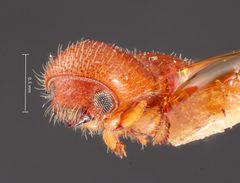
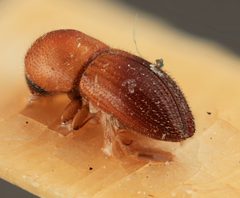
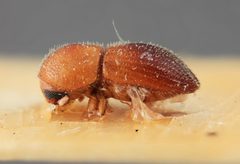
2Coptoborus is a of ambrosia beetles in the weevil Curculionidae, Scolytinae, tribe Xyleborini. These tiny beetles bore into trees and cultivate fungus as food, a characteristic of ambrosia beetles. The genus contains more than 70 described , with many new species discovered in Central and South America in recent years. Some species are economically significant pests, particularly of balsa trees in Ecuador.
Pronunciation
How to pronounce Coptoborus: /kɒpˈtoʊbərəs/
These audio files are automatically generated. While they are not always 100% accurate, they are a good starting point.
Images
Habitat
Wood of living or dead trees; galleries constructed within wood. have been documented in commercial balsa plantations and native forest in Central and South America.
Distribution
Native to the Neotropics; documented in Central America and South America, particularly Ecuador and Peru. Ancestral origin approximately 20 million years ago in Southeast Asia, with subsequent of tropical regions.
Host Associations
- Ochroma pyramidale - balsa; documented for C. ochromactonus
- Fusarium - fungal associate cultivated as food
- Graphium - fungal associate cultivated as food
Behavior
Females initiate gallery construction in wood. Galleries contain for deposition and terminal chambers for . Females produce predominantly female offspring with one or two dwarfed males; males mate with sisters within the natal gallery. are capable of reinfesting the same host material. occurs when mated females leave to establish new galleries.
Ecological Role
Wood-boring that facilitates fungal of material. Some act as pests in commercial forestry operations.
Human Relevance
Economic pest of commercial balsa plantations in Ecuador, where C. ochromactonus causes tree dieback and reduced wood quality. Research on Coptoborus aids in early detection and preparedness for potential threats to North American forests.
Similar Taxa
- EuwallaceaBoth are ambrosia beetles in tribe Xyleborini that cultivate Fusarium and Graphium fungi; Coptoborus harbor fungal associates previously known from Euwallacea
More Details
Taxonomic history
The was revised in 2021 by Smith and Cognato, resulting in the description of more than three dozen new from Central and South America. Several new species were named after iconic female science fiction characters, including C. katniss (arrowhead-shaped wing covers), C. uhura (reddish coloration), C. starbuck (tough appearance), and C. ripley (glabrous body).
Invasive potential
Coptoborus beetles have demonstrated capacity for long-distance and . Ancestors originated in Southeast Asia approximately 20 million years ago and colonized the Neotropics, suggesting these beetles can establish in new regions when transported with wood material.
Sources and further reading
- BugGuide
- GBIF taxonomy match
- iNaturalist taxon
- NCBI Taxonomy
- Catalogue of Life
- Beetles, biodiversity and ‘Battlestar Galactica’ | Blog
- Life Cycle and Development ofCoptoborus ochromactonus(Coleoptera: Curculionidae: Scolytinae), a pest of balsa
- Ecuadorian Coptoborus beetles harbor Fusarium and Graphium fungi previously associated with Euwallacea ambrosia beetles
- Effects of Climate and Host Age on Flight Activity, Infestation Percentage, and Intensity by Coptoborus ochromactonus (Coleoptera: Curculionidae: Scolytinae) in Commercial Balsa Plantations of Ecuador