
Coptoborus pseudotenuis
Wood & Bright, 1992
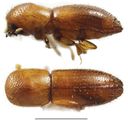
Coptoborus pseudotenuis is a of ambrosia beetle in the weevil Curculionidae, described by Wood & Bright in 1992. As a member of the Coptoborus, it is a fungus-farming that bores into wood and cultivates symbiotic fungi for food. The species is part of a diverse group of beetles that play significant roles in forest , though some related species can become economic pests. It was described prior to the 2021 revision of the genus by Smith and Cognato that named numerous new species after science fiction heroines.
Pronunciation
How to pronounce Coptoborus pseudotenuis: //kɒptoʊˈbɔːrəs ˌsjuːdoʊˈtɛnjuɪs//
These audio files are automatically generated. While they are not always 100% accurate, they are a good starting point.
Images
Habitat
Wood-boring ambrosia beetles in the Coptoborus inhabit forested environments where they tunnel into trees. Based on the genus , this likely occupies dead or dying wood in tropical and subtropical forests.
Distribution
Recorded from Brazil (São Paulo state) and present in Middle America, North America, and South America according to GBIF distribution records.
Diet
Feeds on ambrosia fungus cultivated within wood tunnels, as is characteristic of the Coptoborus. The beetles do not consume wood directly but rely on their fungal for nutrition.
Behavior
As with other Coptoborus , females are the primary dispersers and colonizers of new material. Males are typically dwarfed and remain within the natal gallery to mate with sisters. Females bore into wood, establish fungal gardens, and produce with highly female-biased sex ratios.
Ecological Role
Contributes to wood decomposition and nutrient cycling in forest through fungal and tunneling activities. As with other ambrosia beetles, it may facilitate fungal spore .
Human Relevance
Understanding the and distribution of Coptoborus , including C. pseudotenuis, aids in identifying potential pest threats. Related species in the have caused damage to economically important trees, including balsa in Ecuador.
Similar Taxa
- Coptoborus tenuisThe specific epithet 'pseudotenuis' suggests morphological similarity to C. tenuis, likely requiring detailed examination of diagnostic characters for separation.
More Details
Taxonomic History
Coptoborus pseudotenuis was described in 1992, predating the 2021 revision by Smith and Cognato that dramatically expanded the known diversity of the and employed science fiction-themed names.