
Platypodinae
pinhole borers, ambrosia beetles
Genus Guides
4- Euplatypus(pinhole borers)
- Myoplatypus
- Oxoplatypus
- Treptoplatypus
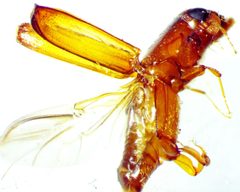
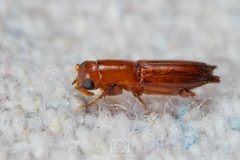
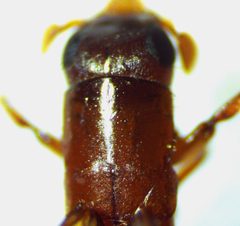
Platypodinae is a weevil within Curculionidae commonly known as pinhole borers. The vast majority of are that cultivate symbiotic fungi in tunnels excavated within dead wood, which serves as the sole food source for their larvae. They function as important early decomposers of dead woody plant material, particularly in wet tropical environments. Only two species are known not to engage in fungal .
Pronunciation
How to pronounce Platypodinae: //plætɪˈpɒdɪniː//
These audio files are automatically generated. While they are not always 100% accurate, they are a good starting point.
Images
Habitat
Dead wood in forest environments, particularly in wet tropical regions. excavate tunnels in dead woody plant material where they cultivate fungal gardens.
Distribution
Worldwide distribution with highest diversity in tropical regions. Documented from North America, Central America, South America, Europe, Asia, Africa, and Oceania. Principal including Euplatypus, Megaplatypus, and Platypus have been studied across four continents with research leadership from Argentina, Japan, Portugal, South Korea, and USA.
Diet
Ambrosia fungi cultivated in excavated tunnels serve as the sole food source for larvae. feeding habits are not explicitly documented in available sources.
Behavior
Tunnel excavation in dead wood for fungal . Symbiotic association with fungi (primarily Raffaelea, Fusarium, and Graphium ) that provides nutrition and benefits establishment and growth. inoculate tunnel walls with fungal spores and maintain fungal gardens.
Ecological Role
Early decomposers of dead woody plant material in wet tropical forests. Some are considered forest pests requiring management, though their primary ecological function is decomposition.
Human Relevance
Some are managed as forest pests. Their fungal associations have significance for forest health. Research interest in their symbiotic relationships with fungi for understanding forest dynamics and potential risk assessment.
Similar Taxa
- ScolytinaeAlso within Curculionidae and includes bark beetles; some Scolytinae also form symbiotic relationships with fungi, though they primarily reproduce in inner bark (phloem tissues) rather than excavating deep tunnels for fungal like Platypodinae. The two are frequently studied together in forest entomology and are sometimes collectively referred to as bark and ambrosia beetles.
More Details
Taxonomic composition
The contains multiple tribes including Mecopelmini, Platypodini, Schedlariini, and Tesserocerini. Principal studied for fungal associations include Euplatypus, Megaplatypus, and Platypus. The genus Myoplatypus was historically known only from North and Central America until first South American records were documented in 2022.
Fungal symbionts
Raffaelea is the most frequently recorded fungal associated with Platypodinae with worldwide distribution. Fusarium associations are concentrated in the Northern Hemisphere. These fungal relationships are obligate for most , with fungi providing the sole nutrition for larval development.
Research trends
Bibliometric analysis shows 80% of publications explore Platypus associations with fungi. Research hotspots include understanding the risk of these beetles, their and trapping , and their in vulnerable agroecosystems under climate change scenarios.
Sources and further reading
- BugGuide
- Wikipedia
- iNaturalist taxon
- NCBI Taxonomy
- Bark Beetle Identification: There’s an App for That, Too
- insect collection | Beetles In The Bush
- Insecta | Beetles In The Bush | Page 5
- July | 2022 | Beetles In The Bush
- weevils | Beetles In The Bush
- Faunistic review of Polish Platypodinae and Scolytinae (Coleoptera: Curculionidae)
- Trends and research hotspots in principal genera of Platypodinae-fungi association: a bibliometric analysis on Euplatypus, Megaplatypus and Platypus (Coleoptera: Platypodinae)
- Platypodinae and Scolytinae (Coleoptera: Curculionidae) Associated with Mangroves in Tabasco, Mexico
- Assessing the invasive risk of bark beetles (Curculionidae: Scolytinae and Platypodinae)
- Determination of Scolytinae and Platypodinae (Coleoptera : Curculionidae) flight area using sticky traps
- Diversidad de Scolytinae y Platypodinae (Coleoptera: Curculionidae) asociados a un agroecosistema de cacao (Theobroma cacao) bajo sol y bajo sombra en Tabasco, México Diversity of Scolytinae and Platypodinae (Coleoptera: Curculionidae) associated with a cacao agroecosystem (Theobroma cacao) under sun and shade in Tabasco, Mexico
- A new genus and species of Platypodini pinhole borers from South America (Coleoptera, Curculionidae, Platypodinae)
- A review of the genus Genyocerus Motschulsky (Coleoptera: Curculionidae: Platypodinae), with new synonyms and keys to species
- A review of the genus Carchesiopygus Schedl (Coleoptera: Curculionidae: <br />Platypodinae), with keys to species
- An annotated checklist of Platypodinae and Scolytinae (Coleoptera: Curculionidae) from Iran
- A synopsis of the pin-hole borers of Thailand (Coleoptera: Curculionidae: Platypodinae)
- The rare genus Myoplatypus (Coleoptera: Curculionidae: Platypodinae): three new species, new reports, and first records for South America
- Checklist of Sri Lankan weevils (Coleoptera: Curculionoidea: Curculionidae; excluding Scolytinae and Platypodinae): Based on literature data