
Tanymecini
Lacordaire, 1863
broad-nosed weevils
Genus Guides
12- Amotus
- Hadromeropsis(broad-nosed weevils)
- Isodacrys
- Isodrusus
- Miloderoides
- Minyomerus
- Pachnaeus(broad-nosed weevils)
- Pandeleteinus
- Pandeleteius(broad-nosed weevils)
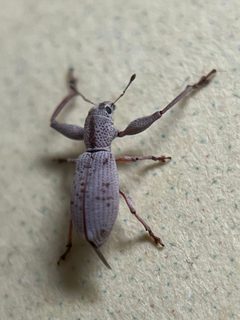
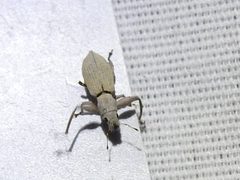
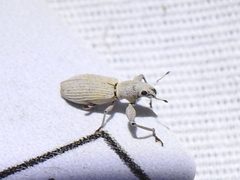
Tanymecini is a tribe of broad-nosed weevils within the Entiminae (Curculionidae). The tribe contains numerous distributed across subtribes including Piazomiina, Tainophthalmina, and Tanymecina, with additional genera currently classified as incertae sedis. Members exhibit considerable morphological and ecological diversity, with documented associations with plants in Chenopodiaceae and other . Some are recognized agricultural pests, while others have been investigated for applications.
Pronunciation
How to pronounce Tanymecini: //ˌtænɪˈmɛsɪˌnaɪ//
These audio files are automatically generated. While they are not always 100% accurate, they are a good starting point.
Identification
Tanymecini are distinguished from other Entiminae tribes by combinations of rostral, antennal, and leg characters, though specific diagnostic features vary among subtribes. The tribe is broadly characterized as "broad-nosed" weevils, referring to the relatively short, broad rostrum typical of Entiminae. -level identification requires examination of tarsal structure, elytral , and male genitalia.
Images
Habitat
varies considerably among . Documented occurrences include desert habitats where some fly to reach plants, steppe , and agricultural landscapes. Specific habitat associations are genus- or species-dependent rather than tribe-wide.
Distribution
Tanymecini has a broad geographic distribution with documented occurrences in: Turkey (Aras River valley), South America (Argentina, Bolivia, Brazil, Paraguay, Peru, Uruguay), and Spain (northeastern provinces). The tribe is represented on multiple continents, though precise global range boundaries remain incompletely documented.
Diet
Herbivorous. Documented plant associations include: Bassia hirsuta (Chenopodiaceae) for Tanymecus tenuis; Suaeda confusa (Chenopodiaceae) for Temnorhinus nasutus; Atriplex micrantha (Chenopodiaceae) for Temnorhinus hololeucus; Heliotropium europaeum (Boraginaceae) for Pachycerus segnis. Tanymecus dilaticollis has been observed feeding on maize.
Host Associations
Life Cycle
Pupal stage has been observed in a soil capsule constructed underground beneath the plant; first documented for Entymetopus lineolatus and Asproparthenis steveni. Other life stages and developmental details are - or -specific and not generalized across the tribe.
Behavior
Temnorhinus hololeucus has been observed to possess ability to reach plants in desert ; this represents a notable behavioral finding as related Cleonini are typically flightless. Flight capability varies among and within the tribe.
Ecological Role
Some function as agricultural pests; Tanymecus dilaticollis is noted as a maize leaf weevil. Related have been investigated for potential, such as Cyphocleonus achates against knapweed. The tribe contributes to herbivore diversity in steppe and desert .
Human Relevance
Agricultural pest status for certain , particularly Tanymecus dilaticollis on maize. Potential for applications in related .
Similar Taxa
Sources and further reading
- BugGuide
- Wikipedia
- iNaturalist taxon
- NCBI Taxonomy
- Catalogue of Life
- Revision of the genus Aspidiotes Schonherr (Coleoptera: Curculionidae, Tanymecini)
- Aras vadisi Cleonini ve Tanymecini (Coleoptera: Curculionidae) türleri üzerinde biyolojik ve biyocoğrafik notlar
- On some species of Pandeleteius Schoenherr, 1834, in South America south of the tenth parallel (Coleoptera, Curculionidae: Entiminae: Tanymecini)