
Elmini
Curtis, 1830
riffle beetles
Genus Guides
22- Ampumixis
- Atractelmis(Wawona riffle beetle)
- Bryelmis
- Cleptelmis
- Cylloepus(riffle beetles)
- Dubiraphia(riffle beetles)
- Gonielmis
- Heterelmis(riffle beetles)
- Heterlimnius
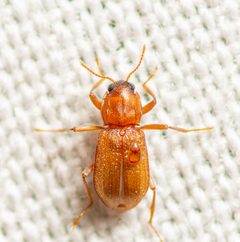
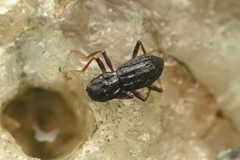
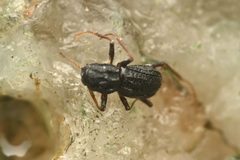
Elmini is a tribe of riffle beetles within the Elmidae, comprising over 90 and approximately 1,200 described in North America. These beetles are strictly aquatic as and larvae, inhabiting flowing water systems. The tribe represents a major radiation within the Elmidae, with concentrated in freshwater .
Pronunciation
How to pronounce Elmini: /ɛlˈmiːni/
These audio files are automatically generated. While they are not always 100% accurate, they are a good starting point.
Identification
are distinguished from other Elmidae by a combination of characters including the structure of the prosternal process and mesoventral cavity. Larvae possess well-developed thoracic legs, filamentous gills, and a terminal respiratory siphon for breathing at the water surface. -level identification requires examination of genitalia and other fine morphological details.
Images
Habitat
Strictly lotic environments including streams, creeks, and rivers with moderate to fast current. and larvae are found on submerged rocks, woody debris, and in gravel substrates where oxygen levels remain high.
Distribution
Primarily distributed across North America with more than 1,200 described ; individual and species have more restricted ranges within this broader distribution.
Life Cycle
Larvae are fully aquatic and undergo multiple instars while living in the same as . occurs in moist terrestrial situations near the water's edge. Adults return to aquatic habitats and are capable of remaining submerged indefinitely due to respiration.
Behavior
remain submerged continuously, extracting oxygen from water via a —a layer of air held by hydrofuge hairs on the body surface. Both adults and larvae cling to substrates in flowing water, avoiding areas with silt accumulation.
Ecological Role
Important grazers of periphyton and biofilm in stream . Serve as bioindicators of water quality due to their sensitivity to low oxygen and pollution. Form a significant component of macroinvertebrate in healthy lotic systems.
Human Relevance
Used by scientists and environmental agencies as indicators of stream health and water quality. Their presence signals well-oxygenated, unpolluted conditions. No direct economic importance to humans.
Similar Taxa
- MacronychiniOther tribe in Elminae; distinguished by differences in mouthpart structure and larval gill .
- Larainae of Elmidae containing torrent beetles; have reduced exposing abdominal segments, unlike fully sheathed in Elmini.
More Details
Taxonomic scope
The tribe contains 96 recognized , making it exceptionally diverse at the generic level compared to most tribes. This diversity reflects adaptive radiation within North American freshwater systems.