
Bryelmis
Barr, 2011
Species Guides
3- Bryelmis idahoensis(riffle beetle)
- Bryelmis rivularis(riffle beetle)
- Bryelmis siskiyou
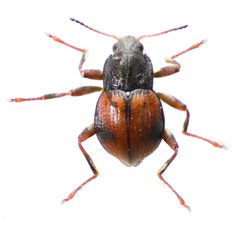
Bryelmis is a of riffle beetles in the Elmidae, established by Barr in 2011. The genus contains three described , all described in the same 2011 publication: Bryelmis idahoensis, Bryelmis rivularis, and Bryelmis siskiyou. As members of Elmidae, these beetles are aquatic and associated with flowing water . The genus is relatively newly described and appears to be restricted to western North America based on species epithets.
Pronunciation
How to pronounce Bryelmis: /braɪˈɛlmɪs/
These audio files are automatically generated. While they are not always 100% accurate, they are a good starting point.
Images
Habitat
Riffle beetles in the Elmidae are obligately associated with aquatic environments, particularly flowing water such as streams and rivers. Members typically inhabit the hyporheic zone or cling to submerged substrates in well-oxygenated, fast-moving water. The name 'Bryelmis' and epithets suggest associations with bryophytes (mosses) or rocky substrates in stream environments.
Distribution
The three described suggest a western North American distribution: Bryelmis idahoensis (Idaho), Bryelmis siskiyou (Siskiyou region, California/Oregon border), and Bryelmis rivularis (stream-dwelling, likely western North America). The was described in 2011 and appears to be regionally .
Ecological Role
As riffle beetles, members of Bryelmis likely contribute to nutrient cycling in stream and serve as indicators of good water quality. Elmidae are generally sensitive to pollution and degradation.
Similar Taxa
- Other Elmidae generaBryelmis can be distinguished from other elmid by specific morphological characters established in the original 2011 description by Barr. The genus was erected based on distinct features separating it from previously described genera in the tribe Elmini.
More Details
Taxonomic recency
Bryelmis is a recently described (2011), and knowledge of its remains limited. All three were described simultaneously by Barr, suggesting a focused revisionary study of western North American Elmidae.