
Hydatophylax
Wallengren, 1891
northern caddisfly
Species Guides
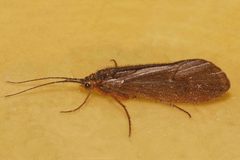
2- Hydatophylax argus(Argus Northern Caddisfly)
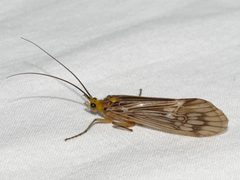
- Hydatophylax hesperus
Hydatophylax is a of northern caddisflies (Trichoptera: Limnephilidae) comprising approximately 14 described . Members are found in cool temperate regions of the Northern Hemisphere, including Scandinavia, Japan, and North America. The genus exhibits with larval development in freshwater streams.
Pronunciation
How to pronounce Hydatophylax: /haɪˌdætoʊˈfaɪlæks/
These audio files are automatically generated. While they are not always 100% accurate, they are a good starting point.
Identification
Larvae construct portable cases that change composition with development: early instars use sand grains, later instars incorporate leaf materials. This case-construction shift distinguishes Hydatophylax from many limnephilid where case materials remain consistent. lack distinctive morphological features in available sources; specific identification requires examination of genitalia.
Images
Habitat
Small streams with sandy or gravelly bottoms; areas with leaf litter accumulation. Larvae occupy lotic environments with stable substrates.
Distribution
Northern Hemisphere: Scandinavia (Denmark, Norway, Sweden), Japan (Hokkaido), and North America (Vermont, United States).
Seasonality
occurs from late July to early September in studied .
Diet
Detritus and .
Life Cycle
(one per year). Development proceeds through five larval instars. occurs as fifth instar larvae.
Behavior
Larvae exhibit downstream movement during early instars. Case construction changes with developmental stage: sand cases in early instars, leaf-based cases in later instars. use for mate attraction.
Ecological Role
and grazer in stream ; contributes to nutrient cycling and organic matter processing.
Similar Taxa
- AnaboliaBoth are limnephilid with similar case-building larvae; Anabolia lacks the documented instar-specific case material shift from sand to leaves.
- NemotauliusRelated limnephilid ; Hydatophylax differs in documented use and specific case construction .
Sources and further reading
- BugGuide
- GBIF taxonomy match
- iNaturalist taxon
- NCBI Taxonomy
- Catalogue of Life
- Life history of hydatophylax intermedius (trichoptera, limnephilidae) in hokkaido, Northern Japan
- Demonstration of Sex Pheromones in <i>Anabolia Bimaculata, Hydatophylax Argus,</i> and <i>Nemotaulius Hostilis</i> (Trichoptera: Limnephilidae)